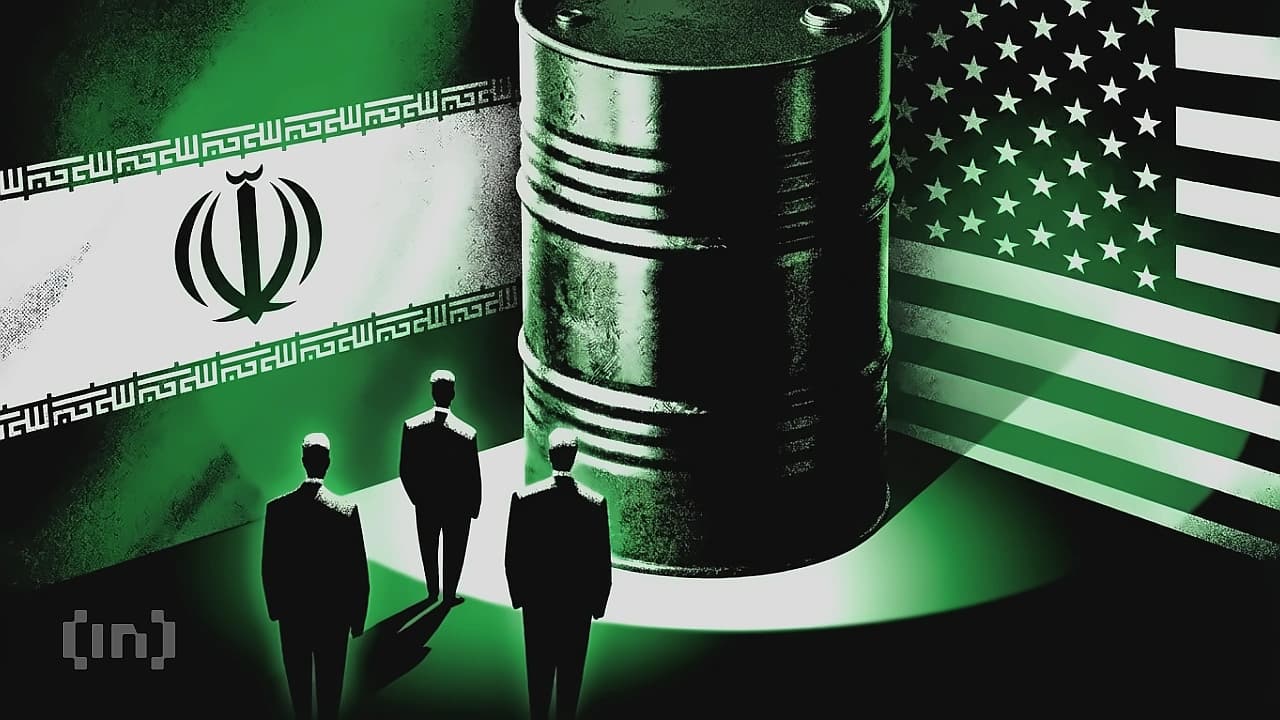
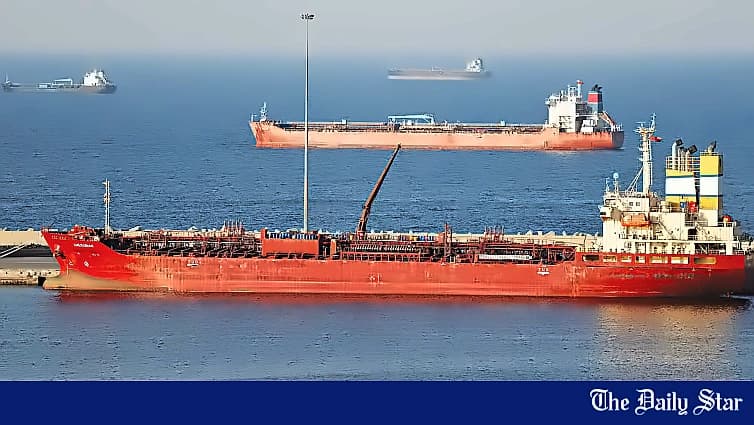
The US blockade on Iranian oil shipments is beginning to bite as planned deliveries to China face significant disruptions. According to Reuters, citing trade sources, the number of planned Iranian crude deliveries for September and October has fallen compared with cargoes scheduled for July and August. Some of the barrels shipped earlier have already been sold, tightening available supplies and creating immediate market impact. Most significantly, Iranian crude, which is typically offered to Chinese buyers at a discount, is now being sold at premiums - a dramatic shift from the normal trading dynamics. This development comes after the US reimposed a blockade on Iranian ports on July 13, which has reduced the flow of Iranian oil and follows President Trump's warning that countries providing Iran with any type of lifeline could face economic consequences.
The United States is preparing what Treasury Secretary Scott Bessent described as the 'toughest sanctions in history' against Iran, as Washington seeks to intensify economic pressure and force the country towards a settlement. Speaking to CNBC on Thursday, Bessent revealed that 'It is a one-two punch. We have the blockade, and we are going to have the toughest sanctions in history'. The Treasury Secretary emphasized that 'It is going to work in Iran and we are going to collapse this regime' while warning that countries allowing financial institutions, businesses, airports or government entities to provide 'any type of lifeline' to Iran would face 'TREMENDOUS Economic Consequences'. Bessent is scheduled to hold a press conference on Monday to outline the administration's planned measures in detail, describing it as 'a one-two punch' combining naval blockade and unprecedented economic pressure. President Trump has reinforced these threats, announcing what he calls 'the most crushing economic operation ever taken' against any country, warning that 'Oil smuggling, swap lines, cash transfers, exchange houses, ship registries, front companies -- It all needs to stop NOW'. Bessent's language echoed former President George W. Bush's warning to US allies after the Sept. 11 attacks, stating 'You are either with us, or against us' - 'This is going to be the greatest coordinated economic isolation in the history of the world'.
Iran has escalated its response to US economic threats, with Chief of Staff of the Armed Forces Major-General Ali Abdollahi warning of a 'crushing, regrettable and devastating' response to any miscalculation or conventional and emerging threats. As reported by Al-Jazeera, Abdollahi made these statements during Iran's Defence Industry Day, emphasizing that Iran's armed forces are maintaining readiness across land, sea, air defence, space and cyber domains. The military leader highlighted that developments in Iran's Defence Ministry in recent years had gone beyond military equipment production, describing the changes as a 'deterrent defence industrial revolution' covering technology management, the defence economy, knowledge-based industries and advanced manufacturing. This military posturing comes as Washington prepares its major economic campaign against Tehran, with the threat of military retaliation adding another dimension to the escalating tensions. Iran has condemned the US measures, with its foreign ministry describing the sanctions as economic terrorism and vowing strong retaliation. Iran's Armed Forces chief of staff, Major General Ali Abdollahi, said Tehran would respond to any new US threats with crushing, punishing and devastating responses, according to Iranian media.
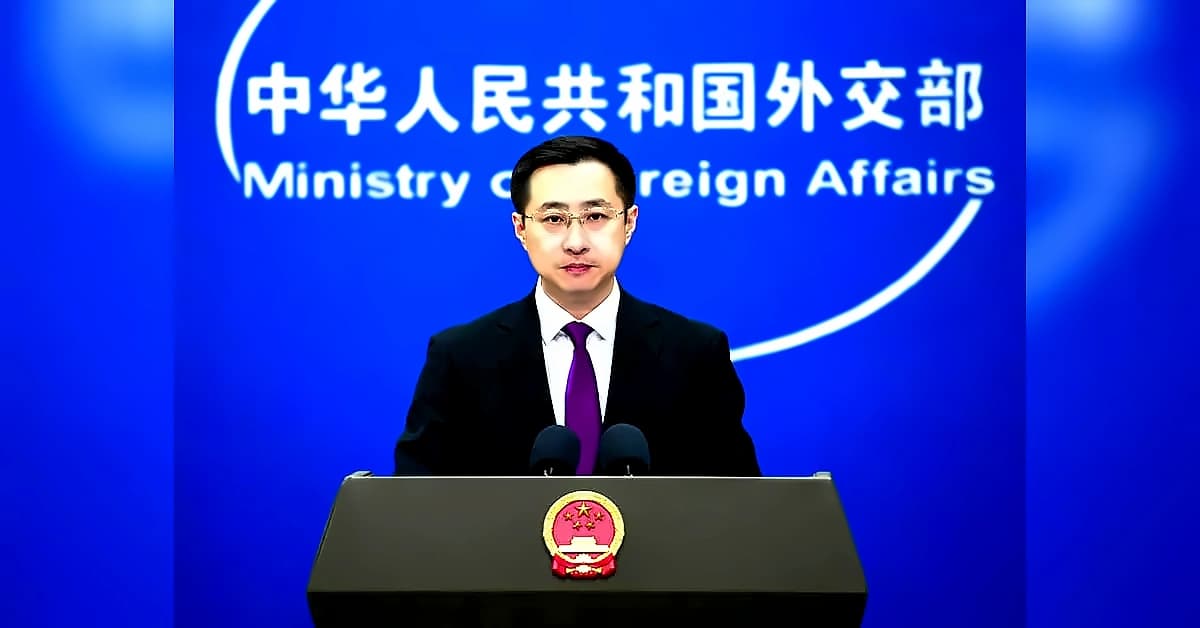
China remains the dominant buyer of Iranian crude, making it central to any potential financial blockade strategy, with China buying more than 80% of Iran's shipped oil according to 2025 data from analytics firm Kpler. Asked whether Washington could impose measures on China over its trade with Iran, Bessent responded 'Many conversations are best to have in private' while urging Beijing 'to get with the program'. Bessent emphasized that 'We are confident that everyone wants the Strait (of Hormuz) reopened, and for energy prices to come back down' and noted that China has a strong interest in restoring normal shipping through the Strait of Hormuz. The Treasury Secretary highlighted China's energy vulnerability, stating 'Keep in mind that the Chinese get 50% (of their) energy from inside the Gulf. So it would do them a big service to get with the programme'. China's embassy in Washington responded that 'sanctions and pressure do not help resolve the problem' and called on relevant parties to take responsible actions through political and diplomatic means. For China, the situation presents a difficult choice as Beijing has strong economic ties with Iran and relies heavily on Gulf energy supplies, while any escalation with Washington over Iranian oil could threaten a broader US-China economic relationship. The oil focus puts a bullseye on Beijing, which buys 90% of Iranian petroleum exports, with Washington having already sanctioned some of China's independent refineries since the start of the war in February, but stopping short of targeting major Chinese banks that finance the trade.
According to the latest reports, Washington is seeking to restrict Iran's access to exchange houses, cash transfers, swap lines, ship registries, front companies and other channels that support Iranian oil exports. As reported by The Times of India, Bessent warned that the message to US allies was effectively 'You are either with us or against us' - 'It is time for our allies and the rest of the world to make a decision'. The campaign represents a significant shift from previous sanctions, with Bessent suggesting that maximum economic pressure could reduce the immediate need for another major US military offensive against Iran - 'If we are doing the maximum economic pressure, then that means that likely there will not be a large-scale kinetic restart'. This approach would extend beyond Iran itself, requiring enforcement against companies involved in financing, insuring, shipping, and facilitating Iranian oil transactions, as well as currency exchanges and commodity traders. The strategy builds on the US naval blockade imposed on Iran in April and paused for a month in mid-June. However, analysts have cautioned that 'The US doesn't have the bandwidth to enforce an airtight sanctions regime on a country like Iran, which has expertise in circumventing sanctions' - 'The president doesn't have the patience that is required for such a policy to bear results, which will be measured in months, not weeks'. A new escalation came on Wednesday when the United Arab Emirates, a crucial economic partner across the Persian Gulf from Iran, said it would halt all trade and financial transactions with the country.

Oil prices have risen to more than a three-week high on Thursday following the US threats of financial penalties aimed at forcing an end to the nearly six-month-old war that has stranded millions of barrels of Middle Eastern oil. As reported by The Times of India, Bessent said he believed 'oil markets are misinterpreting what this economic pressure means' - suggesting markets may be overestimating the immediate impact of the sanctions campaign. The oil market has naturally focused on how much Iranian supply could ultimately disappear, with Brent crude futures trading around $88.50 per barrel as of Friday. The confrontation has contributed to volatility in global oil markets, with the conflict drawing in Gulf nations and shocking markets as Iran flexed its ability to curb shipping through the Strait of Hormuz - a waterway that carried about a fifth of all traded oil before February. The US and Iran have twice announced ceasefire deals in April and June, aiming to restore free flow of shipping through Hormuz, but both quickly crumbled. President Trump announced his upcoming 'economic D-Day' against Iran in a social media post Wednesday evening, warning of 'Economic Warfare and Isolation on an unprecedented scale' and stating 'These maniacs are on the ropes, and these HISTORIC MEASURES will cripple them and their ability to project terror worldwide'.
President Trump faces domestic pressure to end the unpopular war, with high fuel prices dragging down his approval ratings and potentially threatening his party's control of Congress in November midterm elections. Iranian Foreign Minister Seyed Abbas Araghchi has criticised Trump's announcement of an 'Economic D-Day', saying the move 'is a diversion from America's own crisis: unprecedented debt and surging interest costs'. He added that 'Doubling down on failed policies will only bring further defeat -- and enmity of Iranians. US economic terrorism threatens global economy and sovereignty worldwide'. Iranian Parliament Speaker Mohammad Bagher Ghalibaf has stated that Tehran would not reopen the Strait of Hormuz until the United States fulfilled commitments under a 14-point Memorandum of Understanding, including lifting the blockade, releasing frozen Iranian assets and easing oil sanctions. Iran has weathered near-continuous, punishing economic sanctions for nearly 50 years since the Islamic Revolution of 1979, but the administration's latest threats suggest unprecedented scope and intensity. Any decision to target China would risk worsening tensions just weeks before Trump hosts Xi for the Chinese leader's first visit to Washington in a decade, while also raising the threat of Chinese countermeasures that could inflict pain on the US economy ahead of November midterm elections. Former Middle East negotiator Dennis B. Ross noted that 'Iran reads him now as not wanting to escalate militarily', creating an incentive for Iran to show military pressure on the United States or its Gulf allies.