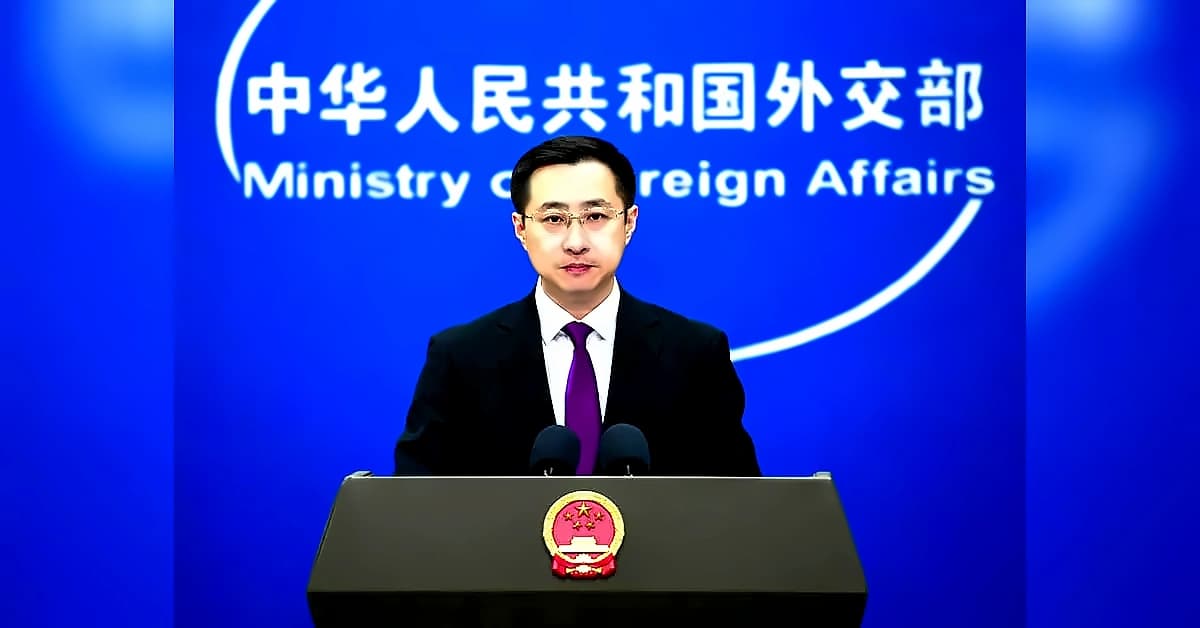
China has firmly rejected President Donald Trump's threat to launch 'economic warfare' on Iran and its trading partners, with Foreign Ministry spokesman Lin Jian telling reporters on Monday that 'sanctions and pressure will not help resolve the issue'. According to reports from The Times of India, Beijing believes that 'imposing sanctions and putting pressure does not help solve the problem' and has called on relevant parties to take 'responsible measures and resolve the issue through diplomatic and political means' rather than through economic isolation. The Chinese authorities warned that Trump's new phase of economic pressure 'will not help to resolve the problem' between Washington and Tehran, emphasizing that 'the solution to the conflict must be sought through political and diplomatic means'. Trump has described this as an 'Economic D-Day', referring to the Normandy landing during World War II, while dubbing the announcement as an 'Economic D-Day' and proclaiming it as the 'most devastating operation ever undertaken against any country'. Iranian Foreign Minister Abbas Araqchi has condemned the policy, accusing Washington of using economic pressure to influence both Iran and the wider international system.
China has demonstrated its commitment to diplomatic resolution by actively engaging with Iranian officials despite escalating tensions. Vice Foreign Minister Miao Deyu met with Iran's Deputy Foreign Minister Kazem Gharibabadi in Beijing on August 17, according to a statement published Sunday by China's Ministry of Foreign Affairs. The timing is particularly significant as it comes a day before US Treasury Secretary Scott Bessent is set to unveil a plan designed to shift the conflict from military strikes to full-blown economic isolation. During the meeting, Gharibabadi briefed Chinese officials on the latest developments in the Gulf and presented Iran's position, stating that 'Iran is willing to continue resolving issues through diplomatic negotiations' while 'acting firmly' in defending its sovereignty and security interests. Iran has expressed appreciation for China's role, with Gharibabadi noting that 'Iran looks forward to deepening cooperation with China in various fields and advancing bilateral relations' and 'appreciates China's upholding of justice and fairness and looks forward to China playing a greater role in maintaining regional peace and stability'. According to CNBC TV18, William Lee, Chief Economist at Global Economic Advisors, emphasized that 'the effectiveness of these sanctions is going to depend clearly on the most important patrons for Iran right now, which are China and Russia', noting that 'Iran would not be able to exist or do anything without the implicit support from these two countries'.
Treasury Secretary Scott Bessent has unveiled a comprehensive strategy to achieve 'unprecedented isolation' of Iran through what he calls 'economic warfare'. As reported by multiple sources, the President has declared that 'oil smuggling, exchange lines, cash transfers, exchange houses, ship registries, and shell companies' must end immediately. He emphasized that 'You know who you are' and warned that the campaign will target 'all of this must end now'. To successfully execute this campaign, Washington has called on the international community to join the initiative, warning that it will impose 'tremendous economic consequences' on any country that allows any type of support to Tehran through its institutions or companies. This represents a significant escalation from previous sanctions campaigns, with Trump specifically mentioning that 'any country that allows its financial institutions, companies, airports, or government entities to provide any form of assistance to Iran will face very serious economic consequences'. The latest developments show global equity markets are taking these statements essentially as statements, with not much reaction at all as reported by CNBC TV18.
China was Iran's second-largest trading partner in 2025, behind the United Arab Emirates, which cut all economic ties with Tehran this week after accusing it of firing ballistic missiles at UAE territory. As reported by The Times of India, China is by far Iran's largest oil buyer and provides Tehran with a vital connection to the global economy, with China buying more than 90% of Iran's oil exports, making it a primary target of Trump's economic pressure campaign. However, China purchases more than 80% of Iran's shipped oil according to 2025 data from analytics firm Kpler, making Beijing central to Iran's ability to maintain oil revenues despite US sanctions. The UAE's decision to sever ties represents a significant shift in regional economic relationships amid escalating tensions, with Trump's latest strategy targeting the entire Iranian economic infrastructure. Despite the escalating tensions, China remains one of Iran's largest oil importers, making it a crucial player in the ongoing conflict resolution efforts. Treasury Secretary Scott Bessent's threat to unleash an 'economic D-Day' against Iran risks setting the US on a collision course with China, as any effort to truly choke off Iran's remaining revenue streams would be extremely difficult without targeting Chinese companies. According to CNBC TV18, William Lee noted that 'the only other way to accelerate the process is to have the governments of China and Russia start to cooperate with us, and it doesn't seem like that's going to happen soon'.
The latest developments show global equity markets are taking these statements essentially as statements, with not much reaction at all as reported by CNBC TV18. The key challenge remains whether the Iranian population is going to be able to put up with the economic pain it has been bearing for decades, as the regime still maintains a very tight grip over the population and any possibility of revolt or internal dissent appears controlled by the Islamic Revolutionary Guard Corps (IRGC). Until somehow, we find some sign of domestic unrest appearing, these sanctions are just going to keep the pressure on until that happens. The effectiveness of the sanctions campaign depends heavily on whether China and Russia cooperate, with William Lee emphasizing that 'the effectiveness of these sanctions is going to depend clearly on the most important patrons for Iran right now, which are China and Russia'. The strategy risks expanding the enormous economic disruption caused by the war, with Vali Nasr warning that 'the US is essentially expanding its war in the Gulf to a much greater war between itself and other global actors around the world'. Secondary sanctions on countries doing business with Tehran would greatly expand the conflict with economic damage not just to China but also India, Turkey and nations across the Gulf. Bessent acknowledged the risks of moving too aggressively, suggesting the administration would first give countries and companies a chance to cut their ties with Iran before imposing penalties that could reverberate through global markets.
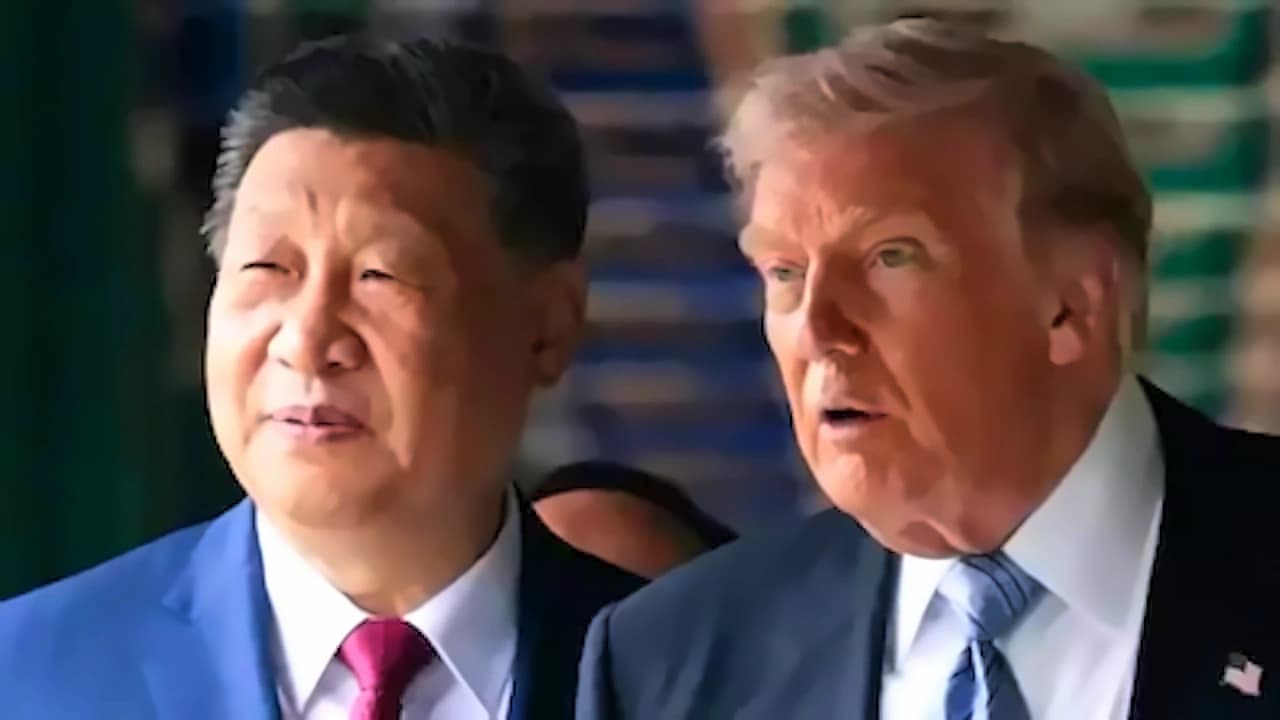
Bessent's new sanctions effort risks expanding the enormous economic disruption caused by the war against Iran, which the US and Israel launched in late February. The resulting oil and gas shock has driven up transportation, fertilizer and other input costs, fueled global inflation and squeezed consumers and businesses around the world. Higher freight and insurance costs have put additional pressure on global supply chains. Vali Nasr, a professor at the Johns Hopkins School of Advanced International Studies, warned that 'the US is essentially expanding its war in the Gulf to a much greater war between itself and other global actors around the world'. The previous Biden administration faced similar challenges after Russia invaded Ukraine in 2022, assembling a coalition of more than 30 countries to freeze Russian assets, cut banks off from the global financial system and restrict Moscow's access to technology. However, secondary sanctions on countries doing business with Tehran would greatly expand the conflict with economic damage not just to China but also India, Turkey and nations across the Gulf.