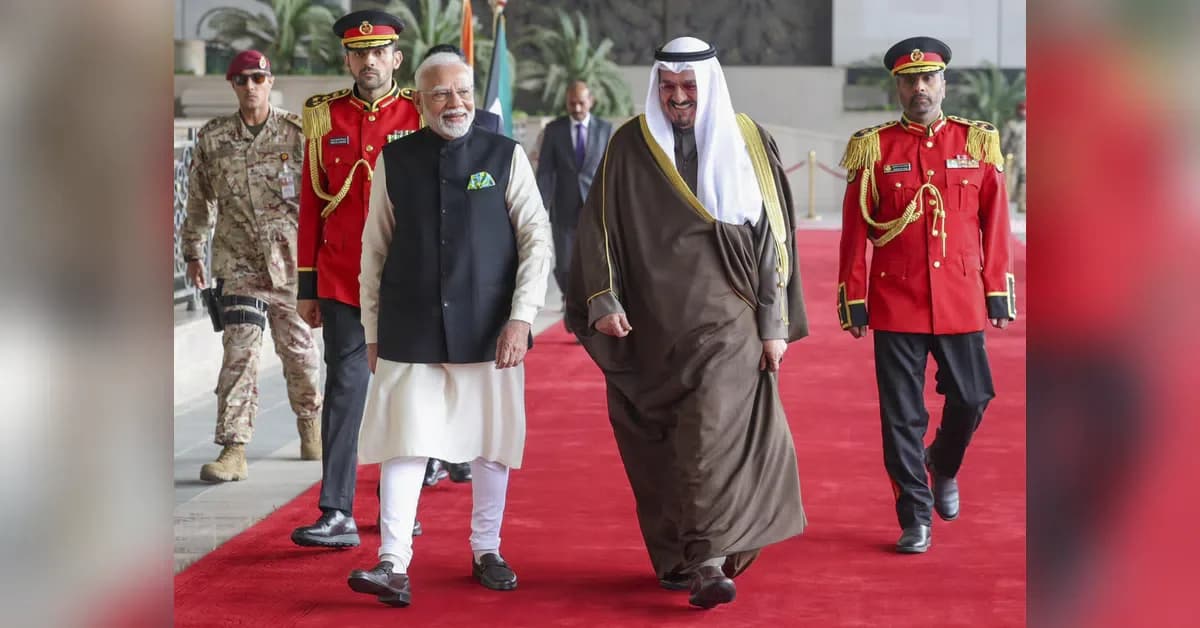
India has issued a stronger condemnation of the Red Sea crisis, with MEA spokesperson Randhir Jaiswal stating that attacks threatening navigation in Bab-el-Mandeb are 'unacceptable' while reiterating concerns over the impact of proposed US sanctions legislation on trade ties. According to Business Standard, Jaiswal expressed serious concern over Houthi attacks on Saudi Arabia's civilian infrastructure and economic assets, stating that such strikes undermine regional stability and threaten freedom of navigation through the Bab-el-Mandeb strait. The MEA spokesperson noted that India is deeply concerned at the escalation of the security situation in the Red Sea area and Yemen, and condemns the attacks on Saudi sovereign territory, with the ministry specifically condemning the attacks on Saudi Arabia, especially the targeting of civilian and economic facilities and the attempted attack on the holy city of Makkah. This represents a more definitive stance than India's previous warnings, with the country now explicitly calling for action against what it considers unacceptable behavior.
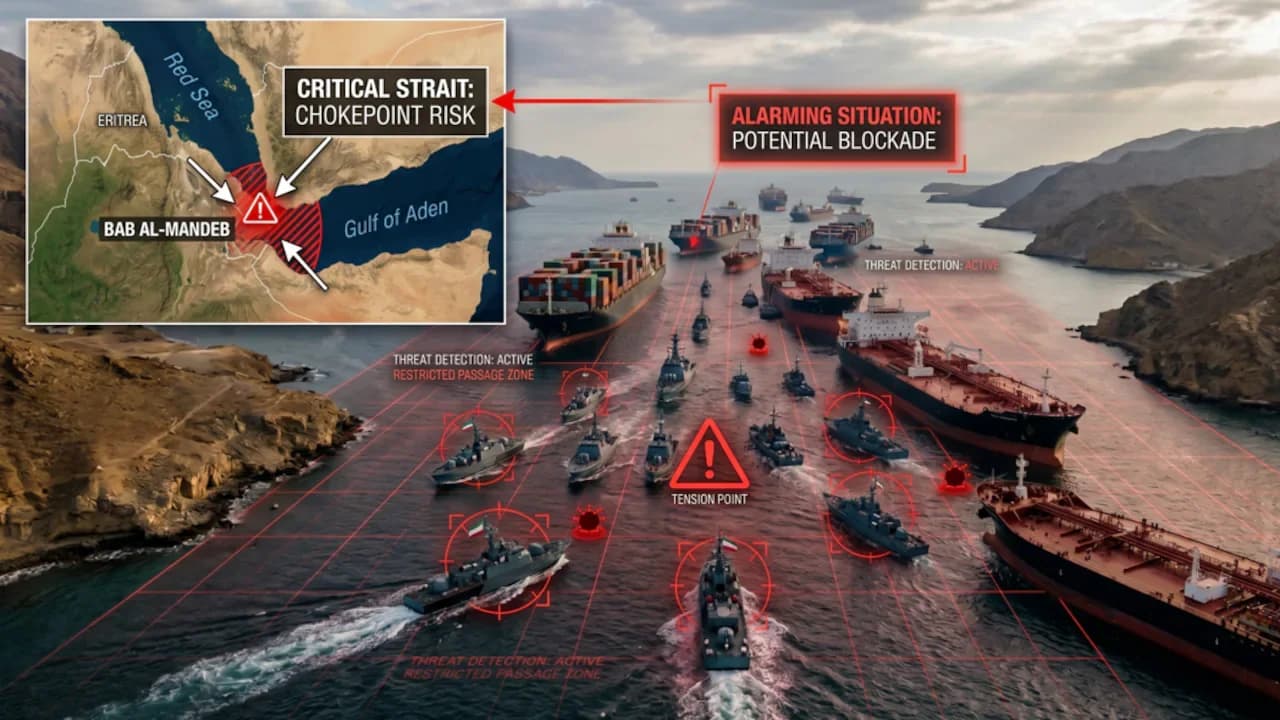
The Qatari official emphasized the cumulative effect of potential maritime disruptions, stating that 'The world is suffering enough with the closure of the Strait of Hormuz, so we cannot also afford to add the Bab al-Mandab into that equation'. As reported by Al Jazeera, this assessment reflects concerns about the compounding impact of multiple maritime chokepoints being disrupted simultaneously. The Bab al-Mandab Strait serves as a key gateway to the Red Sea and represents a critical shipping route for global commerce, with the closure potentially causing a serious crisis according to Doha's assessment. Al Jazeera reports that the potential impact of a Bab al-Mandab closure is also being discussed at a meeting of foreign ministers from the Intergovernmental Authority on Development (IGAD) in Djibouti, with the meeting expected to examine security, humanitarian and economic consequences particularly for IGAD countries bordering the waterway. According to latest reports, Bab al-Mandeb is one of the world's key maritime chokepoints because it links the Red Sea and Suez Canal with the Indian Ocean. The strait is about 29 km wide at its narrowest point, with Yemen's Perim island dividing the waterway into two shipping channels.
The strategic importance of Bab al-Mandeb for global energy markets cannot be overstated, with the waterway handling significant volumes of crude oil and petroleum products. As reported by Al Jazeera, petroleum volumes passing through Bab al-Mandeb amounted to about 7% of global oil output in June, according to Kpler data. The Houthis have declared a maritime blockade against Saudi Arabia, adding to concerns over the security of shipping in and around the Red Sea. Any prolonged disruption could force many vessels to avoid the Red Sea and Suez Canal, with ships instead taking the longer route around the Cape of Good Hope in southern Africa. That diversion can add weeks to journeys and increase fuel, insurance and freight costs. The consequences of disruption have already been seen, with since late 2023, Houthi attacks on commercial vessels in the Red Sea have prompted major shipping companies and oil firms, including Maersk, MSC, Hapag-Lloyd and BP, to reroute vessels around Africa. A new escalation around Bab al-Mandeb could revive those disruptions on a larger scale.
Qatar has condemned what it described as Houthi attacks on Saudi Arabia's civilian infrastructure and population, with the Qatari Foreign Ministry reporting that ballistic missiles and drones targeted the cities of Khamis Mushait, Abha and Taif, causing injuries to civilians and damage to residential homes and vehicles. The ministry called the attacks a flagrant violation of Saudi Arabia's sovereignty and a breach of international law. As reported by Al Jazeera, Qatar is actively advocating for a diplomatic approach to manage the crisis in the Red Sea region. Qatar is pushing for diplomacy and dialogue to contain the crisis, with the country's diplomatic stance reflecting recognition that military solutions or unilateral actions could exacerbate the situation and potentially worsen the global economic impact of maritime disruptions. The Houthis have already control Hodeidah, which they have used as a base for attacks on ships in the Red Sea, with their reported push towards Mocha, Dhubab, Perim and the Hanish Islands potentially bringing them closer to one of the world's busiest shipping routes.
The diplomatic response extends beyond bilateral efforts, with regional cooperation taking center stage. According to Business Standard, Prime Minister Narendra Modi received a phone call from the President of the United Arab Emirates, Sheikh Mohamed bin Zayed Al Nahyan, with the two discussing 'new measures' to further deepen the India-UAE comprehensive strategic partnership, including in energy and defence. They also discussed developments in West Asia and their commitment to coordinate their efforts to promote regional peace, security and stability. The MEA has also reiterated that it has conveyed to the senior-level leadership of the Donald Trump administration the implications that the 'Lyndsey O Graham Sanctioning Russia and Iran' legislation will have for India-US bilateral trade relations, including the trade deal that the two countries are currently negotiating. As reported by Business Standard, India is determined to protect its trade and economic interests and desires balanced and mutually beneficial trade relations with the US, with the MEA spokesperson saying India has clarified its position on the issue at senior levels of the US administration, including the implications of sanctioning India for its purchase of Russian oil on the international energy market and overall bilateral ties.