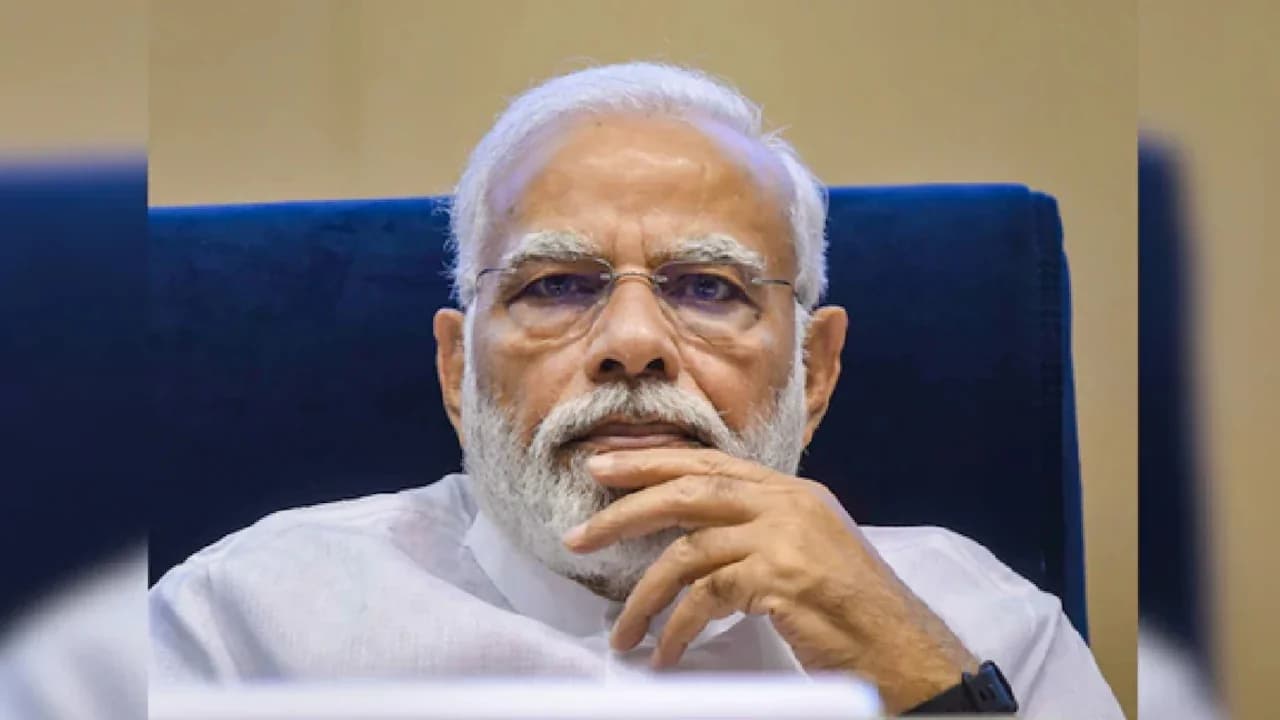
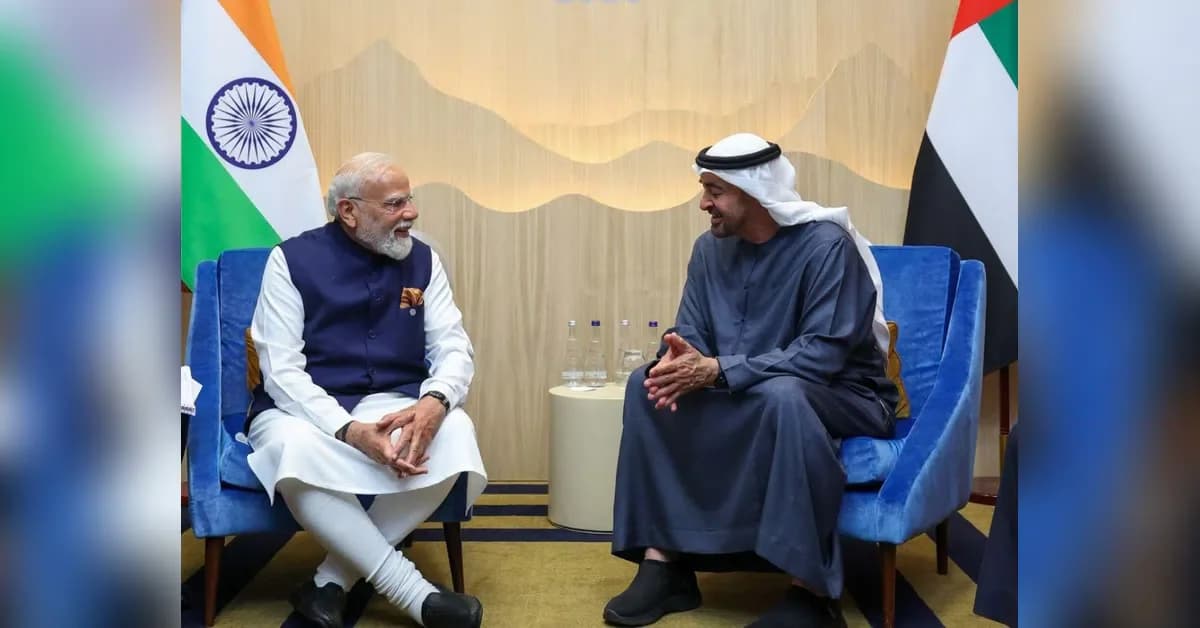
Prime Minister Narendra Modi held a telephonic conversation with Sheikh Meshal Al-Ahmad Al-Jaber Al Sabah, Amir of Kuwait, on Tuesday to address escalating tensions in West Asia. According to the Prime Minister's Office (PMO), Modi condemned recent attacks on Kuwait and expressed deep concern over the escalation of tensions in the region. The Prime Minister strongly condemned attacks on Kuwait's sovereignty and territorial integrity during their conversation. Modi and the Amir exchanged views on recent developments in the region, which has witnessed heightened geopolitical uncertainty amid the continuing US-Iran standoff and concerns over maritime security in the Gulf. As per the PMO, Modi reiterated calls for de-escalation, dialogue and diplomacy for the earliest restoration of peace and stability in West Asia, with the Prime Minister conveying India's unequivocal support for Kuwait's sovereignty and territorial integrity and underscoring the importance of preserving regional peace. Modi stressed the urgent need for de-escalation and peaceful engagement among all stakeholders and called for efforts aimed at reducing tensions and preventing further escalation that could impact regional and global security.
Modi thanked the Amir for his personal attention to the continued well-being and safety of the large Indian community in Kuwait. As reported by the PMO, there are 1.03 million Indians living and working in Kuwait, making them the largest expatriate community in the Gulf country, comprising 20 per cent of its population. India had previously condemned the attack on Kuwait International Airport on June 3, urging that civilian population and civilian infrastructure must not be targeted while calling upon all parties to cease such attacks. Another Indian was killed in Kuwait in Iranian strikes on a power and water desalination plant on March 30, highlighting the ongoing security challenges facing the Indian community. The conversation comes against the backdrop of heightened instability in West Asia, with India repeatedly advocating restraint and peaceful resolution of conflicts in the region. India and Kuwait share close bilateral ties, and the welfare of Indian nationals residing in the Gulf nation remains a key priority for New Delhi.
The Ministry of External Affairs confirmed that New Delhi thanked Oman for rescuing 24 Indian crew members from a Palau-flagged tanker that caught fire after being allegedly attacked by the US Navy off the coast of Oman on Monday. According to External Affairs Ministry spokesperson Randhir Jaiswal, the vessel, MT Marivex, made four attempts to evade the US blockade of Iranian ports in recent days, turning away after repeated warnings by the US Navy on three occasions. The vessel was blacklisted and sanctioned by the Office of Foreign Assets Control (OFAC) for violating US sanctions on Iranian and Russian oil sales. "We also understand that there was some exchange of communication between the ship and the US Navy before the incident," Jaiswal said, adding that "there were 24 crew members, all Indians, on the vessel. All have been rescued."
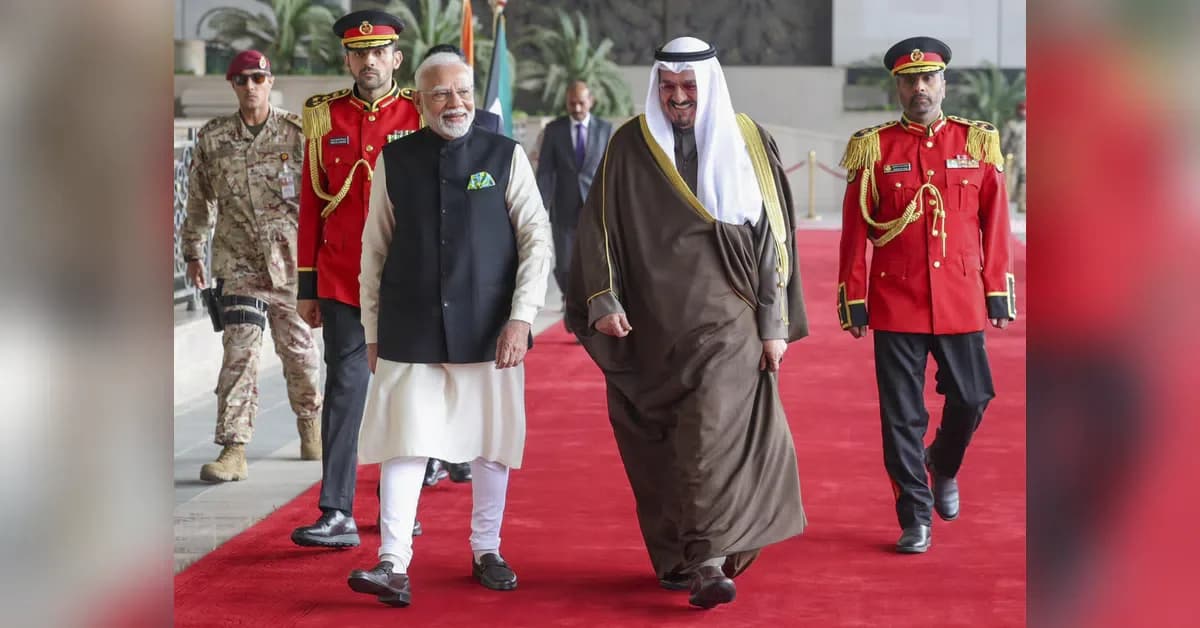
The latest conversation between PM Modi and Kuwait's Amir highlights India's ongoing diplomatic engagement with regional partners as New Delhi continues to advocate for peace, stability and dialogue amid rising tensions in West Asia. Recently, US President Donald Trump reiterated that restrictions linked to the Strait of Hormuz situation would remain in place until a final agreement is reached with Tehran. The Strait of Hormuz remains one of the world's most strategically important maritime routes, and developments in the region continue to be closely monitored by governments and global markets. Modi underlined that dialogue and diplomacy remain the most effective pathways to resolving conflicts and restoring stability in the region, emphasizing that "dialogue and diplomacy remain the most effective pathways to resolving conflicts and restoring stability in the region" and calling for efforts aimed at reducing tensions and preventing further escalation that could impact regional and global security.