Yemen's Iran-aligned Houthis officially declared a naval blockade on Saudi Arabia on Monday, marking a significant escalation in the ongoing conflict. According to The Times of India, Houthi spokesperson Yahya Saree announced in a video posted on his X account that the blockade on Saudi vessels would take effect immediately, responding to what the group describes as Saudi Arabia's siege of Yemen's capital, Sana'a. The Houthis' armed forces had previously announced they were declaring 'a maritime embargo against the criminal Saudi enemy, based on the equation of 'an eye for an eye', effective immediately**. The announcement represents a direct challenge to Saudi Arabia's maritime operations and adds another dimension to the already complex regional tensions, with no immediate response from Saudi Arabia following the declaration. In their statement, the group accused Saudi Arabia of enforcing an 'unjust and oppressive siege' on Yemen for nearly 12 years by blocking its ports and airports and exploiting the country's resources, stating Yemen had the right to respond to 'the blockade with a blockade' and warning that any further Saudi escalation would be met with a 'comprehensive and decisive' response.
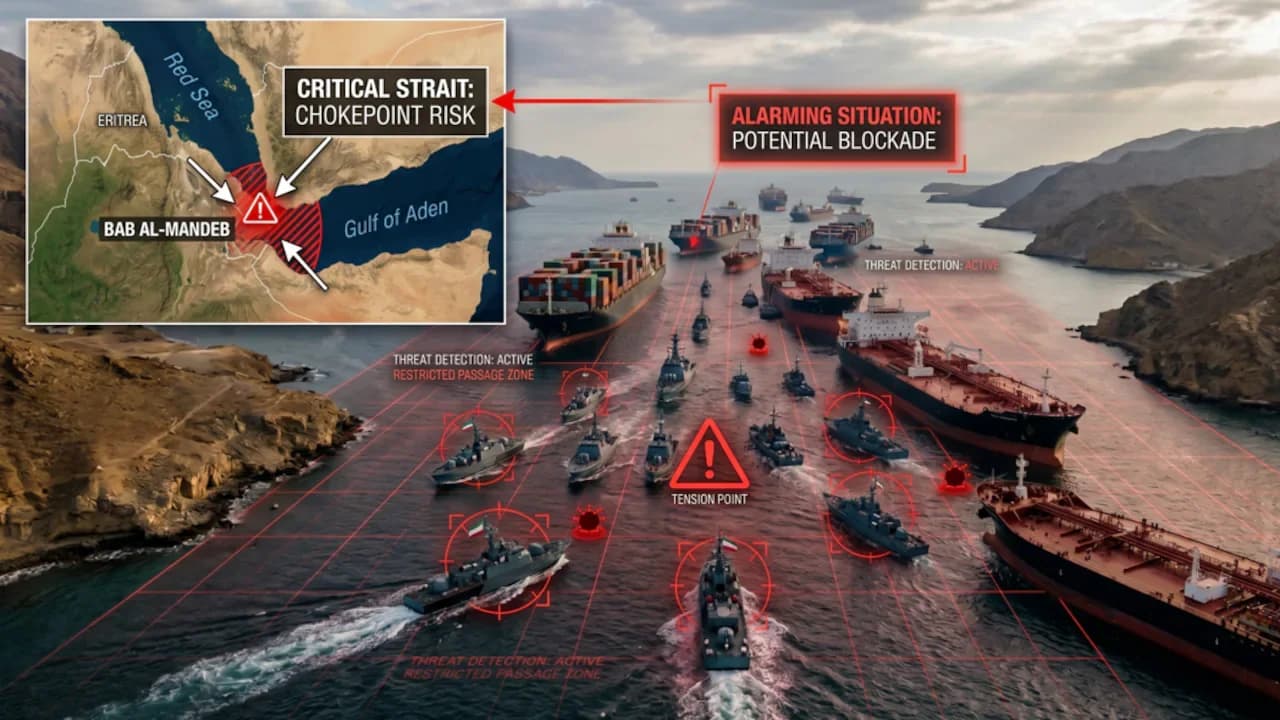
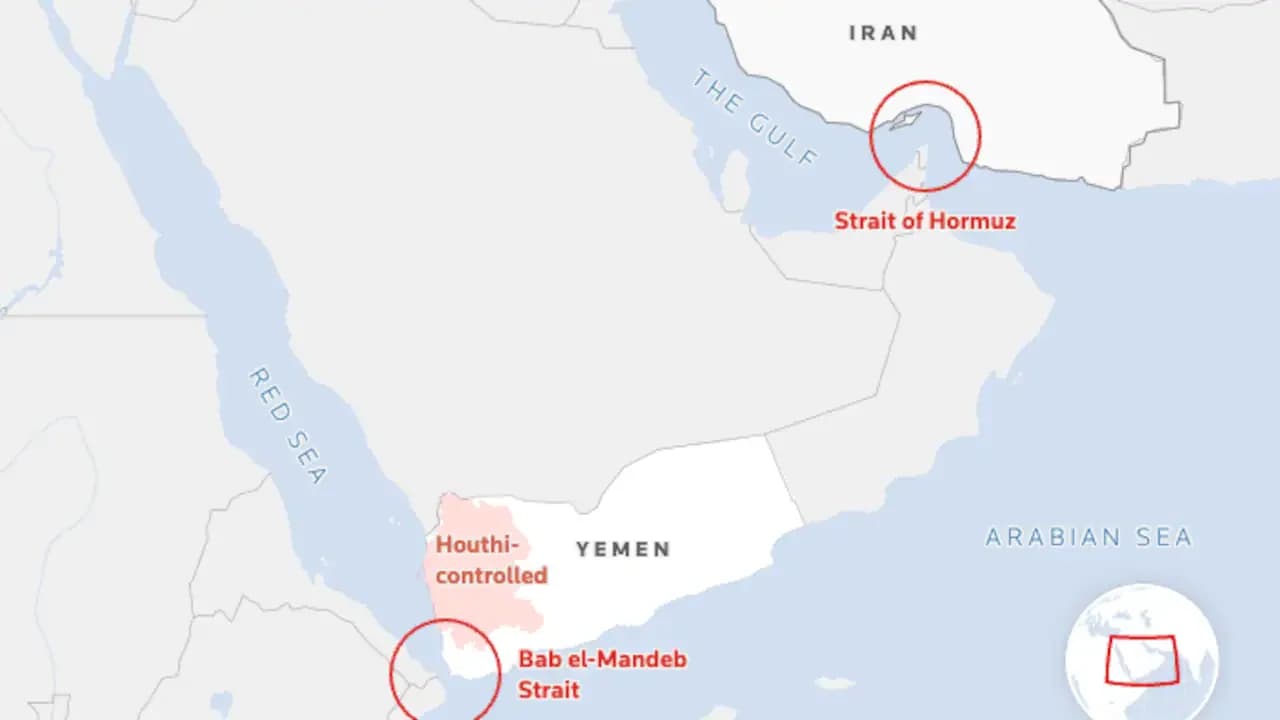
The most concerning aspect of Iran's warning involves the Bab el-Mandeb Strait, one of the world's most strategically important maritime chokepoints. As reported by Reuters, Iran has specifically told the Houthis to prepare to block the Bab el-Mandeb Strait if the United States launches strikes against Iranian power plants. According to three sources who spoke to Reuters, Iran's leadership has discussed using the Houthis to shut the Bab el-Mandeb Strait and recently conveyed the request to the group. A source close to the Houthis confirmed that missiles and drones had been deployed near the waterway and that the group was awaiting an order to begin attacking shipping. The threat directly targets the critical shipping route that connects the Red Sea with the Gulf of Aden, potentially disrupting global energy flows. The complete shutdown of the Bab el-Mandeb Strait, the southern entrance to the Red Sea, would stop Saudi oil shipments to Asia and cut global oil supplies by about 7 per cent, as reported by Business Standard.
The potential blockade of the Bab el-Mandeb Strait represents a serious new threat to the world's energy supplies. The strait serves as a crucial energy corridor, with any disruption potentially affecting oil and gas shipments from the Middle East to Europe and Asia. According to Reuters reporting, the Bab el-Mandeb route now carries approximately 7% of global energy supplies, making it one of the world's most important maritime chokepoints. The conflict has already disrupted energy flows, with a source close to the Houthis noting that any threat to the Red Sea and its Bab el-Mandeb gateway risks hugely exacerbating the global energy crisis triggered by Iran's closure of the Strait of Hormuz. Recent data from Kpler shows that about 7.4 million barrels of petroleum products passed through Bab el-Mandeb each day in June, equal to nearly 7 per cent of global oil production. With the Hormuz Strait already shut, any Houthi attacks on vessels or ports in the Red Sea would leave the Middle East's two main oil export routes disrupted simultaneously, opening a new front in both the energy crisis and Iran's wider conflict with the United States. With Saudi Arabia having itself diverted 70% of its energy exports through its Red Sea port of Yanbu, any direct attacks there would also be a big problem for oil markets.
For India, the Red Sea corridor is far more than a distant geopolitical flashpoint. According to government data, around 80% of India's goods trade with Europe, estimated at nearly $14 billion every month, normally moves through the Red Sea. A significant share of Indian exports, including engineering goods, pharmaceuticals, chemicals, textiles, automobiles and manufactured products, is shipped through this route. The corridor is equally important for imports, with crude oil, LNG and several industrial raw materials destined for India also transiting through the Red Sea. Any prolonged disruption would therefore affect both exporters and importers, as Indian exporters could face longer delivery schedules and significantly higher freight costs, affecting their competitiveness in overseas markets. Importers may have to bear higher transportation expenses as shipping companies opt for longer routes around Africa. In the longer term, rising logistics costs could translate into higher prices for fuel and imported consumer goods, while industries dependent on imported raw materials may face increased input costs.
The Houthis have demonstrated their escalating military capabilities with recent actions against Saudi targets. According to The Times of India, relations between Saudi Arabia and the Houthis have deteriorated since last week after Riyadh carried out an attack on Sana'a airport, with the Houthis responding by striking an airport in southern Saudi Arabia, marking the most serious escalation between the two sides since the 2022 ceasefire. The latest escalation followed an attack on Sanaa International Airport last week, with the Houthis blaming Saudi Arabia for the strike, although Yemen's internationally recognised government claimed responsibility, saying it was aimed at preventing an Iranian aircraft from landing in the capital. In response, the Houthis launched ballistic missiles towards Saudi Arabia's Abha International Airport, with the Saudi-led coalition saying it intercepted the missiles. The Houthis have continued developing their maritime capabilities despite largely refraining from attacks over the past year, including missiles, drones and sea mines, though they may not be able to fully close the strait. Recent analysis from the International Institute for Strategic Studies (IISS) has described the Iran-Houthi relationship as a partnership rather than a direct command structure, with both sides asserting independence while often aligning on foreign and military objectives.