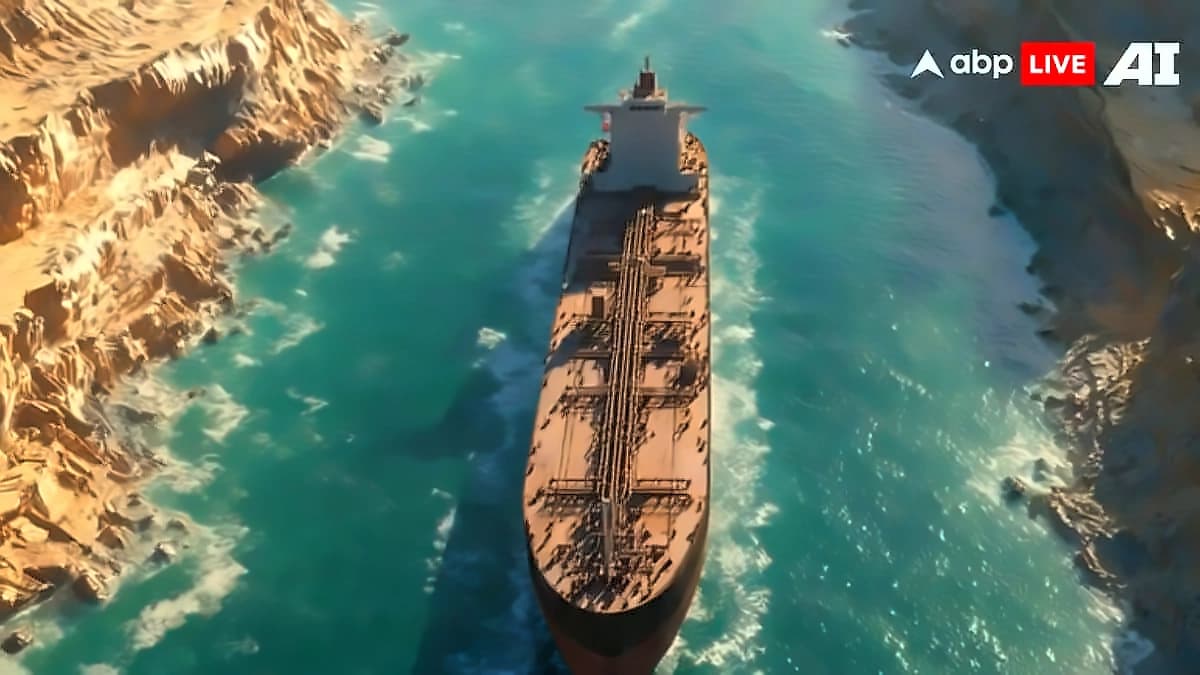
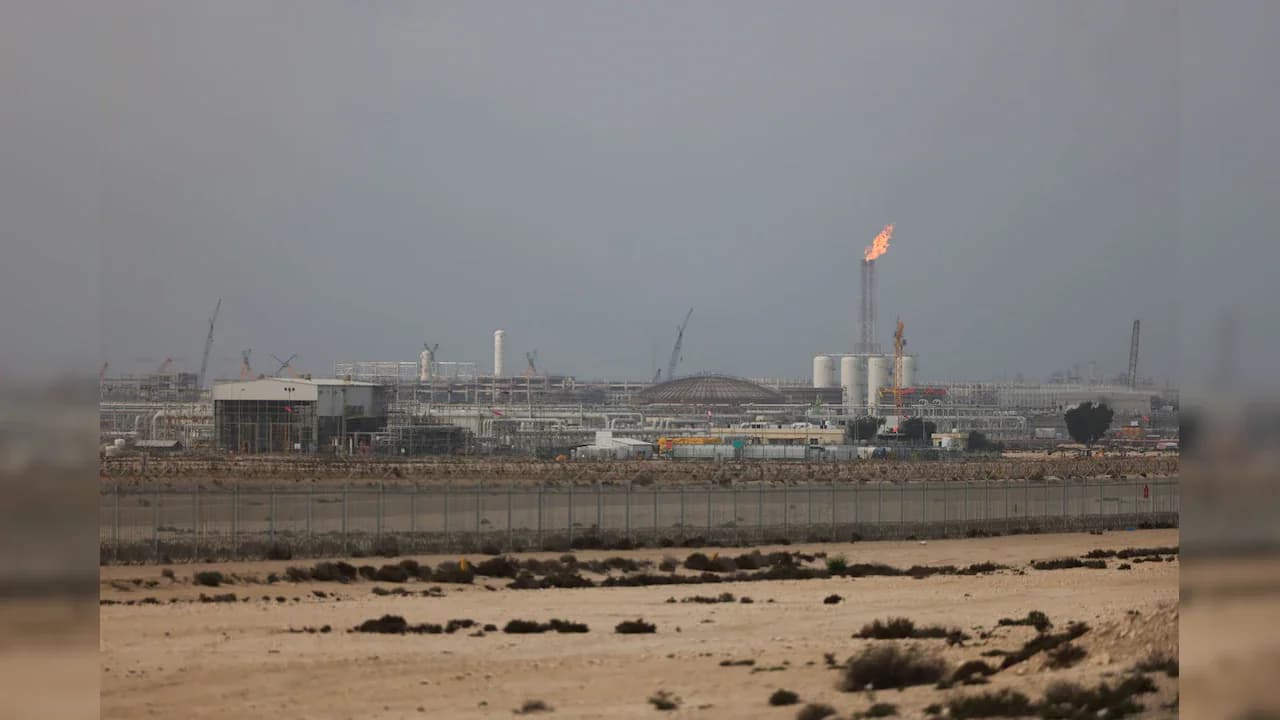
Maritime trade between Iran and Qatar has resumed after a suspension of about five months, marking a significant development in regional commerce. According to Iran's state-run IRNA, citing the country's commercial attaché in Doha, shipping between Iran's Dayyer Port and Qatar's Al Ruwais Port has restarted following "continuous follow-up" by the Iranian Embassy in Doha and coordination with Qatari authorities. Abbas Abdolkhani from Iran's Trade Promotion Organization confirmed that Al Ruwais Port has resumed accepting Iranian goods, describing it as the main gateway for Iranian exports to Qatar. The reopening is expected to ease trade, lower transportation costs, speed up deliveries and boost bilateral trade volumes, with the route used to export a wide range of Iranian products including fresh fruits and vegetables, dried fruits, seafood, eggs, protein products, construction materials, white cement, mineral products, carpets and other goods for the Qatari market.
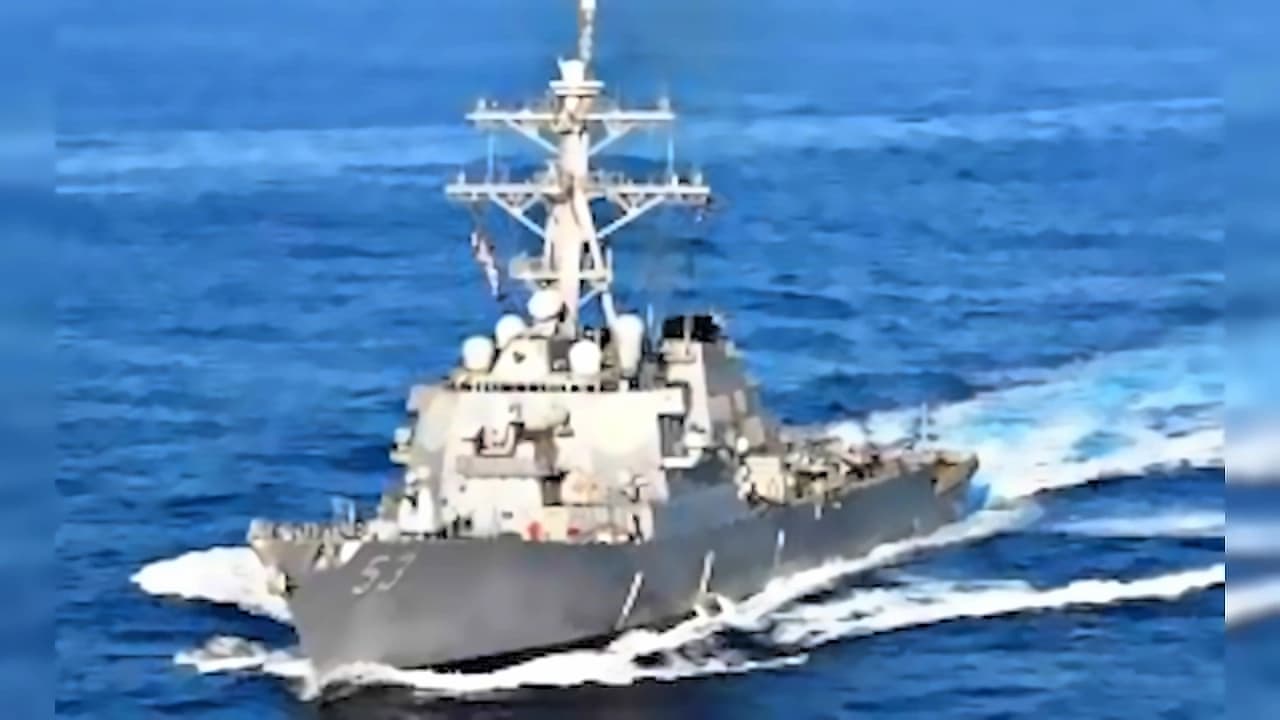
Qatar has resumed all maritime activities with immediate effect, reversing a June 29 advisory that instructed all vessels to suspend sailing and maritime operations until further notice. According to reports from Reuters, the country's Transport Ministry announced on Sunday that all maritime vessels and ships are now permitted to operate normally. The ministry urged operators and seafarers to strictly comply with maritime regulations and safety instructions currently in force. Commercial shipping operations were exempt from the restrictions and continued during the period of temporary suspension, with the Qatari government not specifying the reason for imposing the temporary curbs on June 29. The ministry had previously stated that travel by sailing and fishing boats had been temporarily suspended until further notice.
Authorities advised sailors to ensure that all required safety equipment is available and in proper working condition before setting sail, as reported by NDTV Profit. The ministry stated that these measures are intended to maintain the highest standards of safety and security for all maritime journeys. The lifting of restrictions reverses the June 29 advisory under which travel by sailing and fishing boats had been temporarily suspended until further notice.
While officials have not directly connected the two developments, the timing of the suspension coincided with heightened regional security concerns, as reported by NDTV Profit. The reversal comes as Iran's actions in the Strait of Hormuz have escalated regional tensions, with the U.S. military readying plans to intercept and seize Iran-linked tankers as part of an escalating economic pressure campaign. Iran has confirmed that it will introduce new maritime service fees for commercial vessels transiting the Strait of Hormuz after a 60-day toll-free period, while offering preferential treatment to countries it considers friendly, in a move that has heightened geopolitical tensions over one of the world's most critical energy corridors.
The closure of the Strait of Hormuz has had significant economic consequences, with roughly 20% of the world's oil and liquefied natural gas passing through the narrow waterway. Before the war, between 100 and 138 ships passed through daily, but since hostilities began February 28, only 279 vessels have crossed in total. The U.S. military said it had turned back 23 Iran-linked ships since its blockade began Monday. Oil prices have surged roughly 50% since the war began in late February, with prices falling nearly 12% Friday on hopes the strait was reopening before Iran's Saturday reversal threatened to erase those gains.