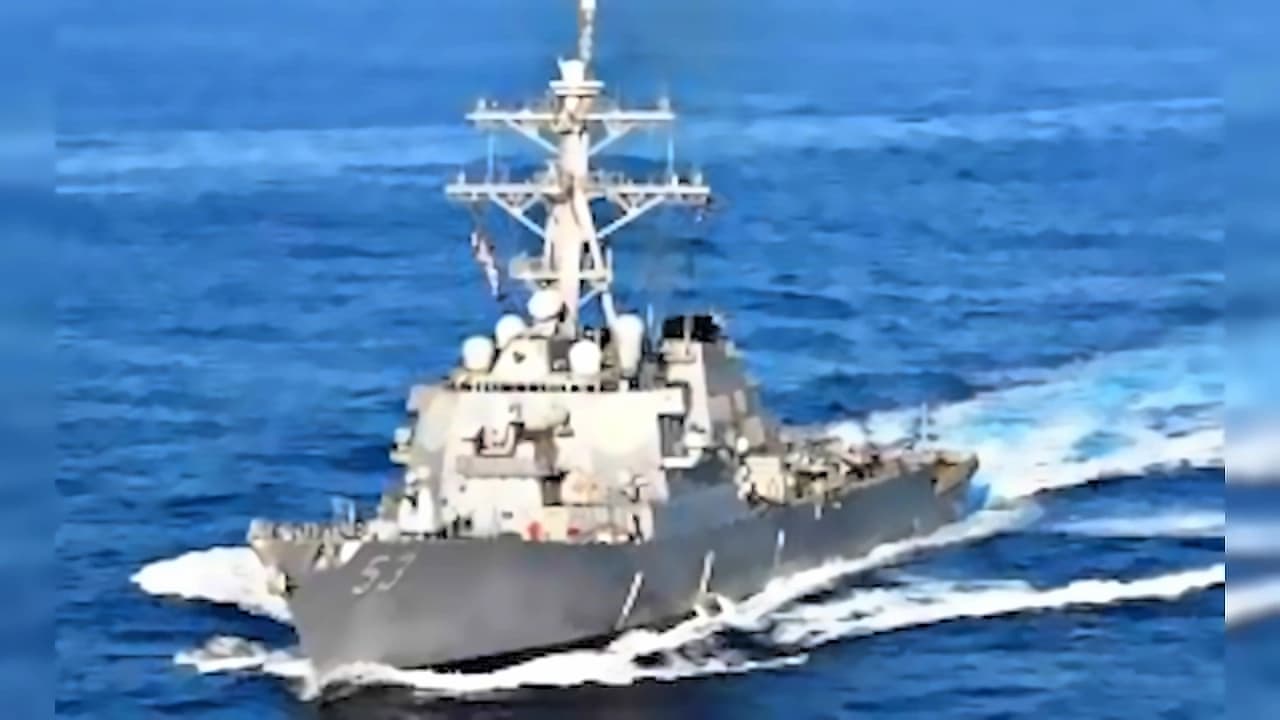
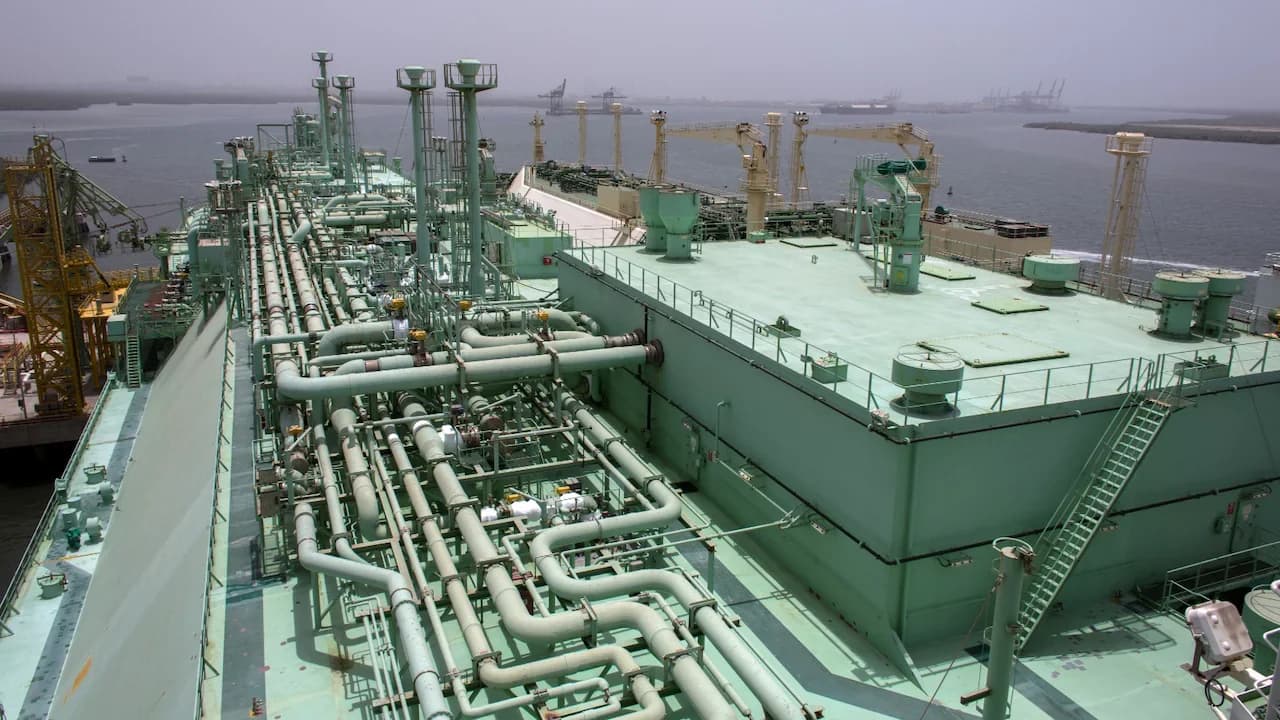
Qatar has halted all maritime operations after Iran launched ballistic missile attacks towards the Gulf nation, marking a sharp escalation in regional tensions. According to Qatar's Ministry of Transport, the directive instructs owners of commercial and recreational vessels, fishing boats and jet skis to suspend all marine operations until further notice in the interest of public safety. The attacks followed a fresh round of US airstrikes on Iranian targets, launched in response to an earlier Iranian strike on a commercial vessel in the Strait of Hormuz. Iran subsequently launched a broader wave of coordinated missile and drone attacks across the Gulf, reportedly targeting Qatar, the United Arab Emirates, Bahrain and Kuwait, with Iranian officials claiming operations involving Jordan and Oman as well.
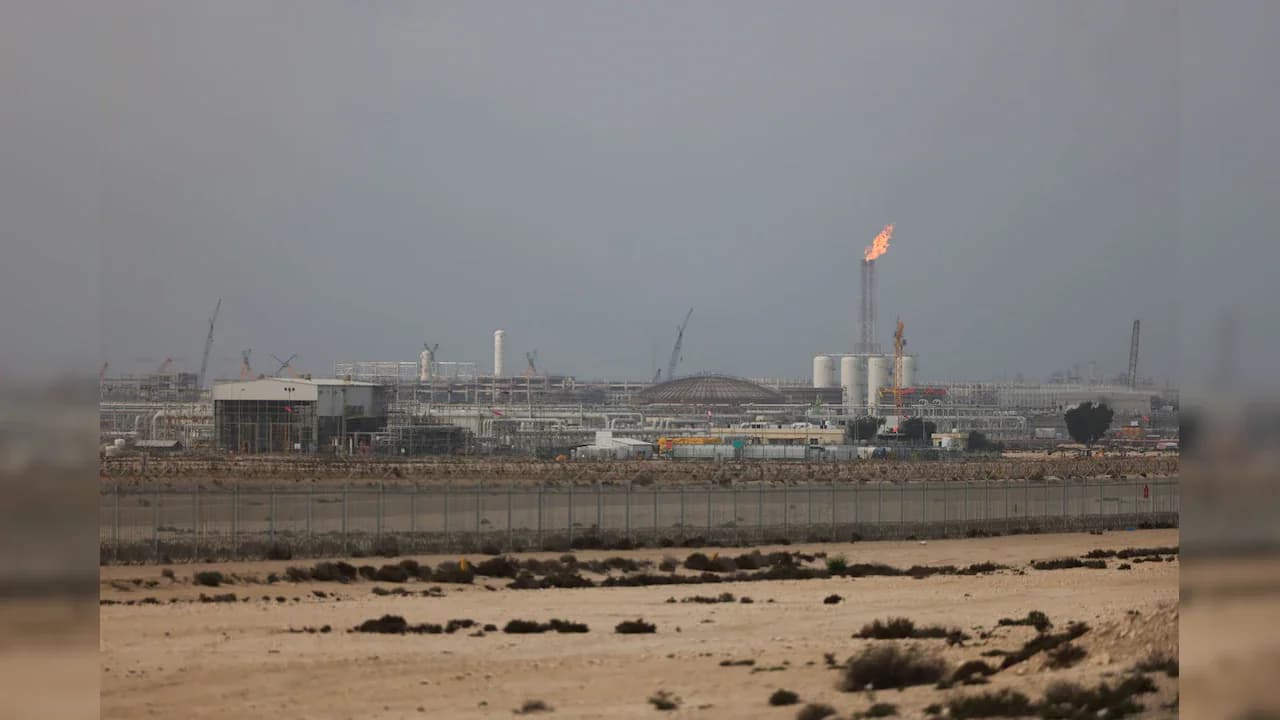
Qatar has suspended efforts to rapidly revive production at the world's largest liquefied natural gas facility after an attack on one of its tankers in the Strait of Hormuz raised concerns about transit safety. According to reports from Bloomberg, QatarEnergy officials held multiple meetings following the attack on Tuesday, with CEO Saad Al-Kaabi choosing to stop plans to boost output at the Ras Laffan complex. The facility will maintain minimal operations for safety purposes, with fewer vessels scheduled to dock at the plant in coming days. The decision represents a major consequence of increased tensions this week, which included attacks on several ships near Hormuz and US strikes on Iran for two straight days, with President Donald Trump on Wednesday mentioning the possibility of renewed full-scale war.
The pause threatens to further tighten the global gas market, with Asian LNG spot prices more than 80% higher than pre-war levels, highlighting anxiety surrounding Qatar's restart. As reported by Bloomberg, Qatar supplied about 20% of the world's LNG last year, making its return crucial for global supply balance. The heightened tensions this week, including attacks on multiple ships near Hormuz and US strikes on Iran for two consecutive days, have created uncertainty in energy markets. The delay in restoring output at Ras Laffan could tighten the global gas market further as Europe and Asia seek supplies ahead of the winter season, with European benchmark gas prices rising above €50 ($57.1) per megawatt-hour for the first time since the US and Iran reached an interim peace deal last month.
The giant Ras Laffan facility had been largely shut since early March following an Iranian drone attack, with approximately 17% of the plant's production capacity damaged in a separate missile strike weeks later. According to Bloomberg reports, repairs to that damaged portion are estimated to take at least three years. Qatar had been running some production trains at reduced capacity to prepare for rapid ramp-up when conditions allowed, but those efforts have now been temporarily paused as Qatar waits for tensions to ease. The facility's operations will be kept at minimum levels for safety reasons, with the number of vessels scheduled to dock at the plant in coming days being reduced significantly.
Qatar strongly condemned the missile strikes, describing them as a flagrant violation of its sovereignty and territorial integrity, as well as a serious breach of international law. As reported by NDTV Profit, the Foreign Ministry stated that "The continuation of these aggressions represents a dangerous escalation that will complicate efforts aimed at containing tensions and undermine political and diplomatic endeavours aimed at achieving security and stability." The ministry emphasized that "Qatar holds the Islamic Republic of Iran fully legally responsible for these aggressions and all their repercussions and consequences." The attacks followed a fresh round of US airstrikes on Iranian targets, with at least three people injured by falling debris after Qatar's air defence systems intercepted multiple Iranian missiles over Doha.