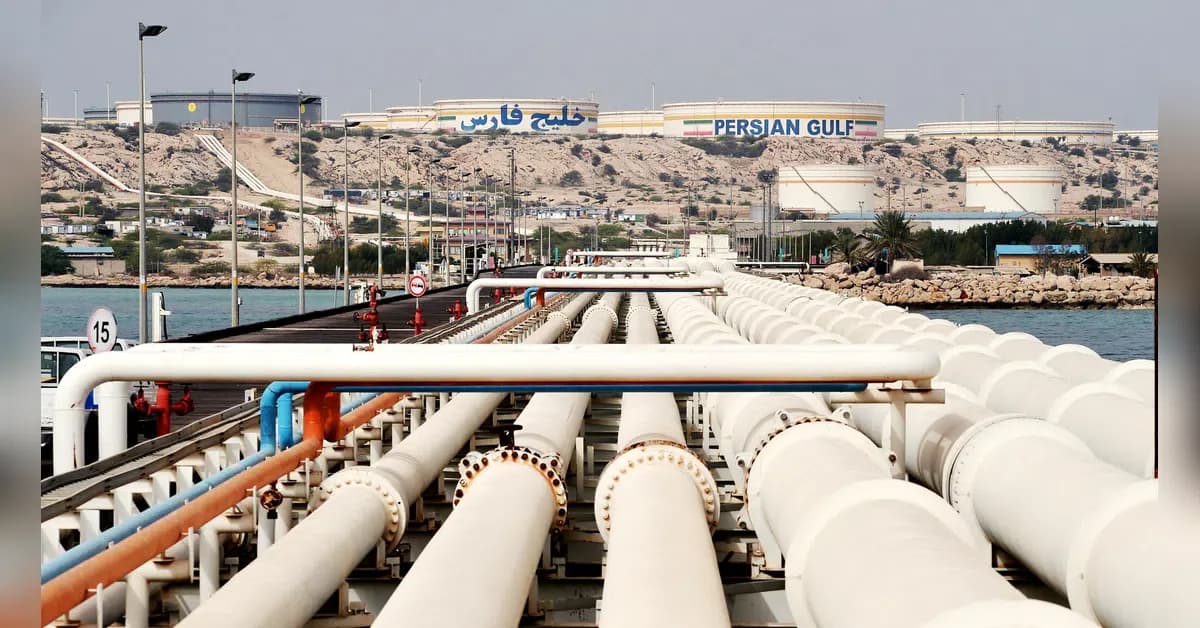
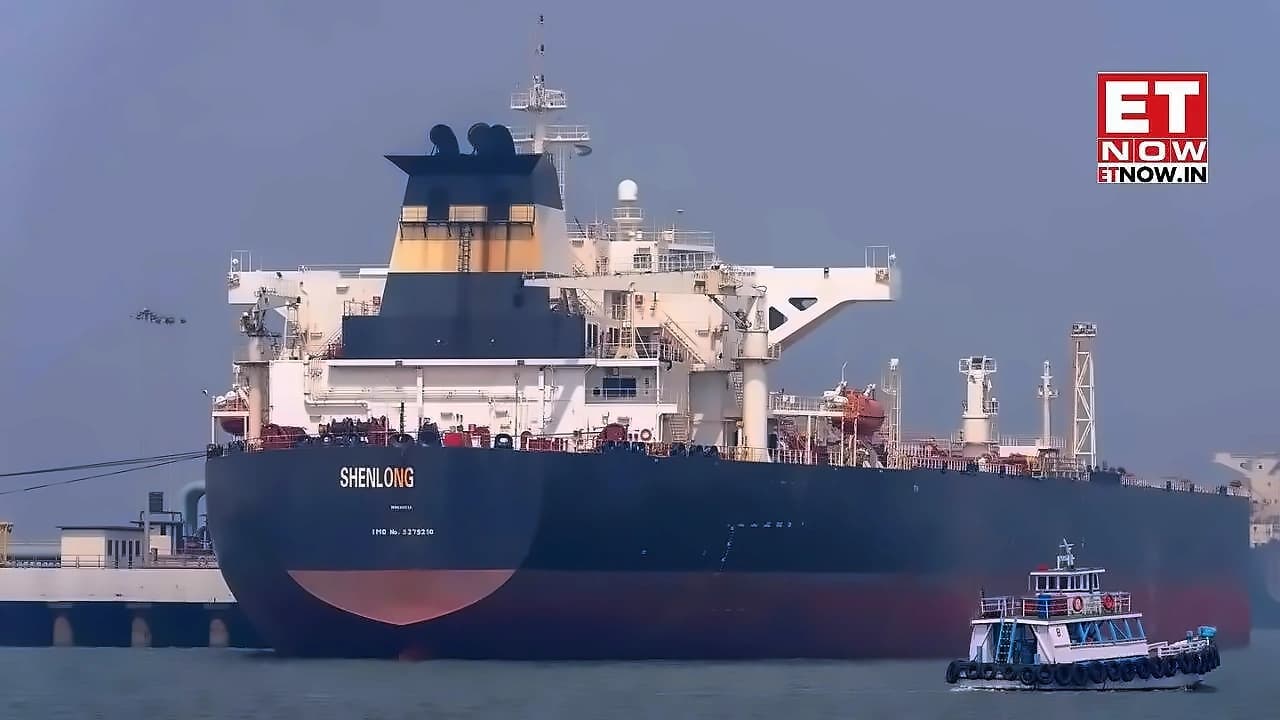
Iran has commenced negotiations with Japanese firms to potentially resume oil sales, enabled by a US sanctions waiver that allows the resumption of crude oil exports. As reported by Reuters, these talks occur amidst 60-day peace discussions between Tehran and Washington, with the waiver set to expire on August 21. Japanese buyers are eyeing their first Iranian crude purchase since 2019, marking a significant development in bilateral energy cooperation. Three Japanese buyers were looking at possible crude oil purchases, with Japanese and Iranian officials in initial talks about possible oil sales, according to a Western industry source familiar with the matter. However, an official at Japan's Ministry of Economy, Trade and Industry (METI) said he was unaware of any such matter, while Japan's foreign ministry and the U.S. Treasury did not immediately respond to Reuters requests for comment.
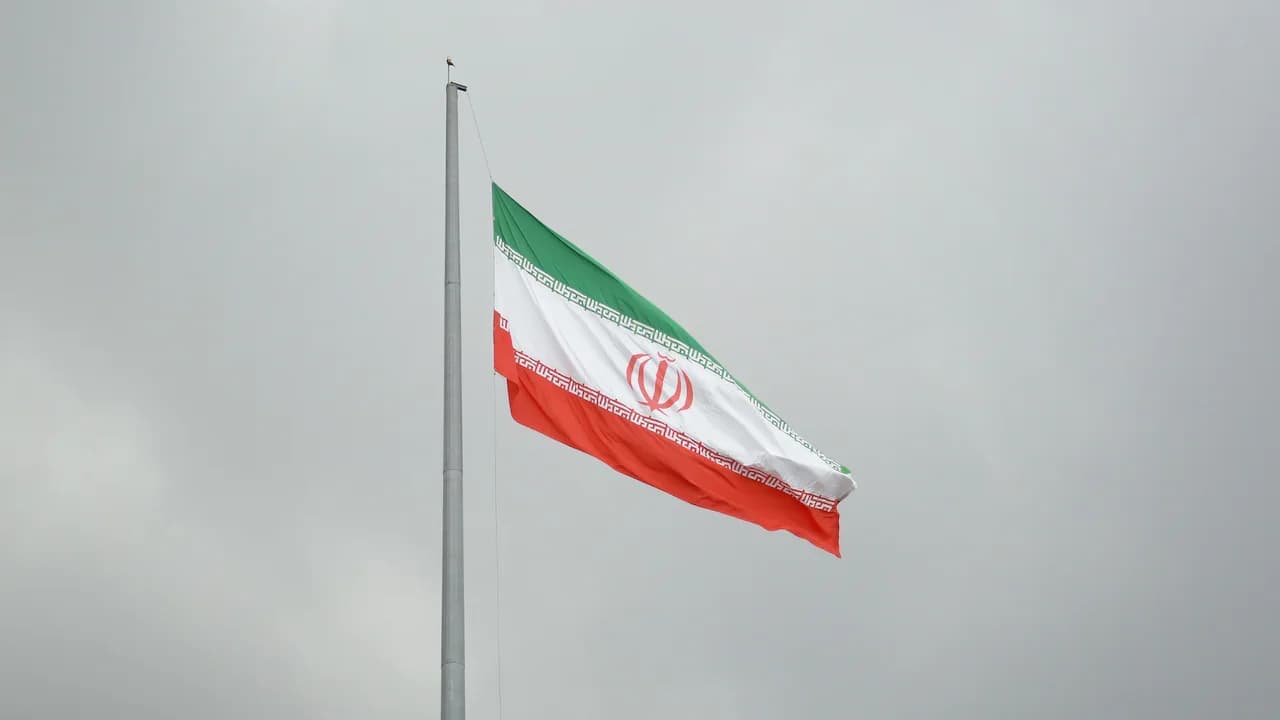
The US Treasury Department's current sanctions waiver (General License X) provides a temporary 60-day window expiring on August 21, 2026, as reported by Reuters. The waiver was issued on June 22 and Japanese corporations consider this timescale as far too short to manage complicated compliance, legal, and banking requirements. Although General License X officially allows transactions in US dollars for the first time in decades, big financial institutions remain exceedingly risk-averse, with buyers fearing secondary sanctions or policy reversals if Swiss-led peace efforts break down. A senior Iranian official said any deal would require the U.S. to extend the current waiver given the shipping time between Japan and Iran, with cargoes to be loaded at Iran's Kharg Island and use Japanese-operated tankers. The waiver framework has created uncertainty for potential buyers who require longer-term assurances for major energy investments.
Iran has demonstrated significant success in oil exports following the temporary sanctions relief, with Mohammad Bagher Ghalibaf, speaker of the Iranian parliament claiming that Iran has exported more than 40 million barrels of oil since the US maritime blockade was lifted. According to Reuters, ship-tracking firm TankerTrackers.com also estimated that Iran had exported more than 50 million barrels of crude since the maritime blockade. Ghalibaf added that Iran is selling crude at prices 20% higher than before the war, highlighting the premium value of Iranian oil in the current market environment. This export surge represents a dramatic turnaround from the complete halt of Iranian crude imports by South Korea, Japan, India and European countries following President Trump's withdrawal from the Iran nuclear deal in 2018. A senior Iranian oil ministry official told Reuters that Iran's national oil company NIOC had approached traditional customers including Japan and told them that if a peace deal was concluded and sanctions were lifted, Iran would like them to resume their purchasing.
Japan's energy security has been severely impacted by the sanctions-related disruptions, with Japan's crude oil imports plunging 60% year-on-year since April, according to public interest foundation Nippon.com. Japan's reliance on the Middle East for more than 90% of its crude oil imports has left the country particularly vulnerable to supply disruptions. The shortage of naphtha, refined from crude oil, has caused significant operational difficulties, with food company Calbee switching some product packaging to black-and-white due to packaging material shortages. A separate METI official told Reuters in June that any Japanese purchases would be a matter for private companies, but said it was unclear whether such deals would proceed given shipping times and existing contracts. The safety of any tanker voyage would also have to be ensured, with securing insurance identified as the biggest challenge by a senior official with a major Japanese oil refiner.
The Strait of Hormuz remains a significant security concern for potential oil shipments, with recent incidents highlighting ongoing tensions. A container ship was attacked in the strait last week by Iranian forces, and Iran's elite Revolutionary Guards have stated that all transits through the strait need to be cleared with them first. The U.N.'s shipping agency estimates that there are 80 floating mines around the central part of the waterway, creating additional challenges for safe navigation. The current temporary US sanctions waiver is unlikely to draw orders from well-stocked Asian refiners, leaving independent Chinese refineries as the main buyer, according to trade sources and analysts. The Strait of Hormuz ship passage is still far from safe, and how it will operate once a lasting peace deal between Tehran and Washington is finalized remains unclear.