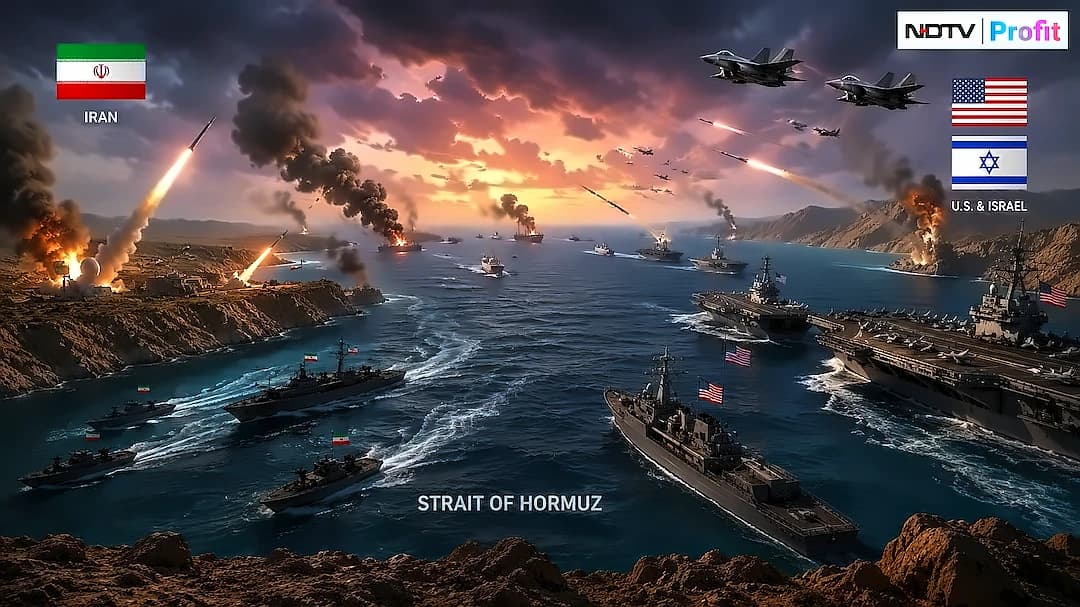
The most serious crossfire since the April 8 ceasefire has erupted in West Asia, with Israel and Iran firing at each other on Monday (June 8, 2026) in what threatens to plunge the region back into war. According to The Hindu, Israeli authorities reported three waves of Iranian missiles targeting the country, with explosions heard in central Israel as Israeli air defences intercepted the incoming fire. The Iranian attack came after Israel launched strikes on central and western Iran early Monday in response to missile fire from Tehran, following Israel's strikes on Beirut's southern suburbs on Sunday (June 7, 2026) in defiance of Washington's request to stand down. This represents the most serious escalation since the ceasefire began two months ago and marks a significant deterioration from the diplomatic progress made through recent mediation efforts.
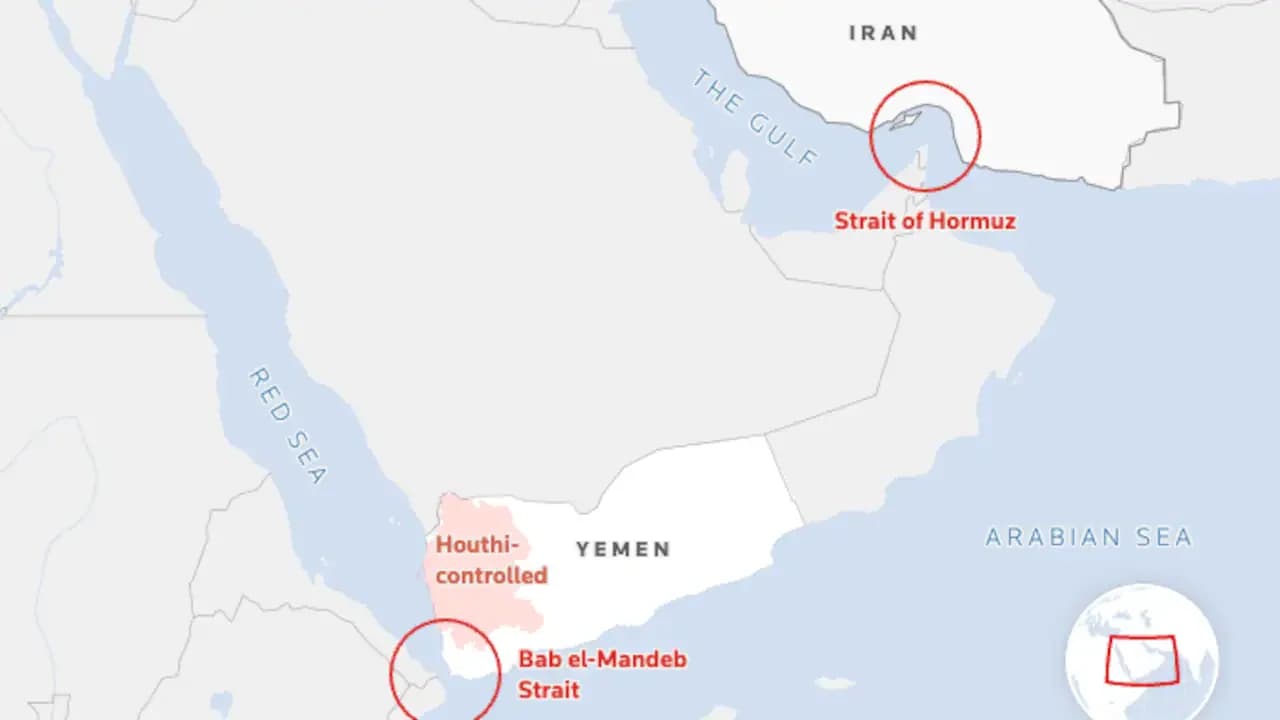
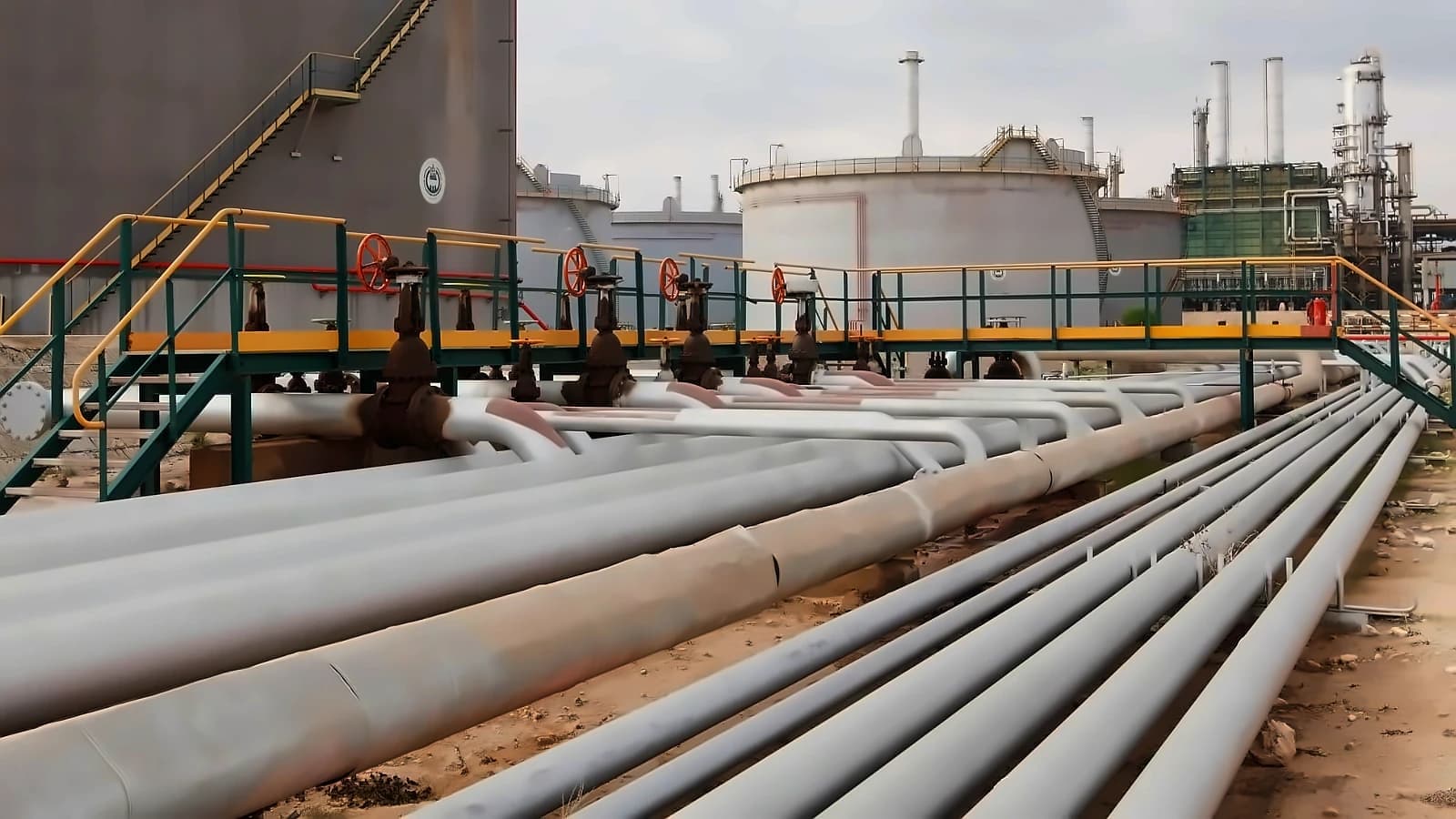
The Iran-backed Houthi movement's threat to block Israel-linked vessels from the Red Sea is emerging as a fresh risk to global energy markets at a time when oil flows are already under severe strain from the ongoing Iran-Israel conflict. According to Reuters, a Houthi source warned that the group's latest threat is only a first step, with potential expansion to all ships heading to Israel and additional measures if regional tensions continue to escalate. The threat carries outsized significance because the Strait of Hormuz, the world's most important oil chokepoint, has already been severely disrupted since Iranian action following U.S. and Israeli attacks on February 28. With Gulf energy exports constrained, Saudi Arabia has increasingly relied on its Red Sea outlet at Yanbu, diverting more than 70% of its usual crude shipments through the route to prevent deeper supply shock.
Qatar's Prime Minister Sheikh Mohammed bin Abdulrahman Al Thani and Iranian Foreign Minister Abbas Araghchi held a telephonic conversation to discuss bilateral mediation frameworks and the evolving security situation in West Asia, according to an official statement released by the Qatari government. During the high-level dialogue, the two leaders reviewed ongoing mediation initiatives involving the United States and Iran and exchanged views on recent developments across the region, including the situation in Lebanon. As reported by the Qatari government, Sheikh Mohammed affirmed Qatar's institutional support for all endeavours aimed at containing escalation and reaching a comprehensive agreement that contributes to consolidating security and stability in the region. The discussion focused on diplomatic avenues aimed at reducing tensions and preventing further escalation, with the Qatari statement noting that the leaders reaffirmed Qatar's support for initiatives intended to contain the conflict and encourage a broader agreement capable of enhancing regional security and delivering lasting peace.
US President Donald Trump has been actively pressuring both Iran and Israel to de-escalate the conflict, expressing immense frustration over the timing of recent strikes. Speaking to Fox News, Trump indicated that diplomatic breakthroughs were imminent, stating an agreement would be signed on Monday, Tuesday or Wednesday of the coming week. However, Trump publicly expressed frustration that military action had disrupted what he believed were promising diplomatic developments, telling Axios that he urged Iran's leadership to return to negotiations, saying "You've shot your missiles, that's enough. Get back to the table and make a deal." In an interview with the Financial Times, Trump suggested that Israeli Prime Minister Benjamin Netanyahu would eventually have to support any agreement reached between Washington and Tehran, stating that continued retaliation would only prolong the cycle of conflict. According to The Hindu, the Israeli strikes came in apparent defiance of President Trump, who told Israeli Prime Minister Benjamin Netanyahu that he doesn't think Israel needs to respond further, highlighting the complex dynamics of US diplomatic pressure amid ongoing military actions.
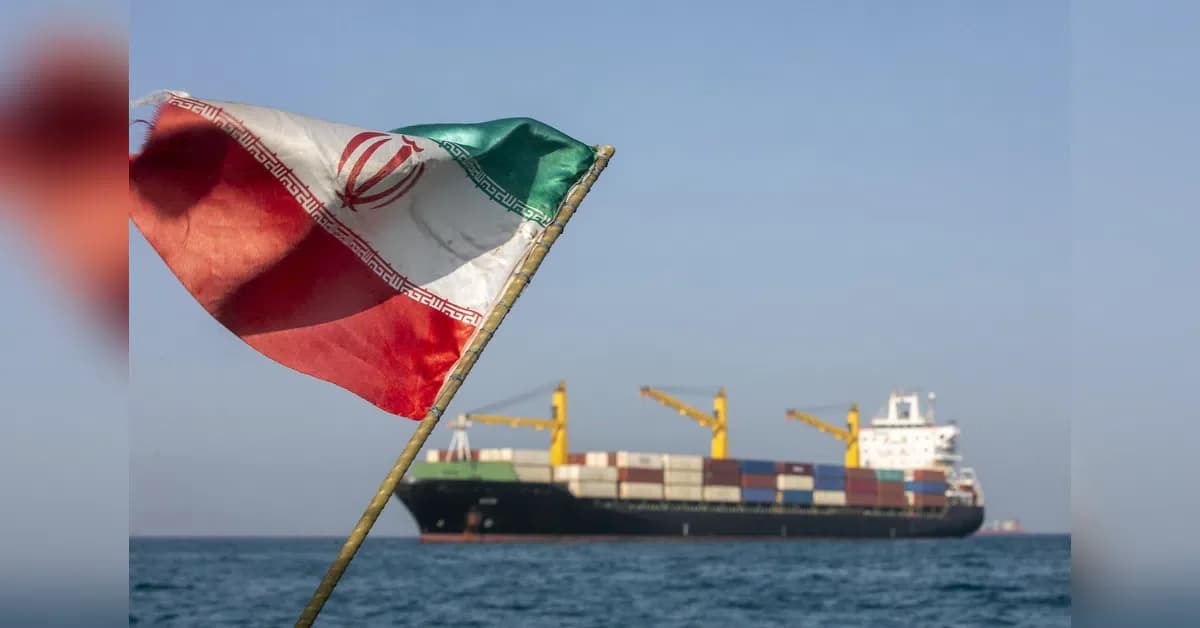
The escalation has caused immediate security ripples across neighbouring territories, with the Iraqi Shiite militia Kata'ib Hezbollah warning that any direct US involvement would result in attacks on American bases and interests in Iraq and elsewhere in the region. The latest hostilities come after an earlier ceasefire arrangement collapsed, with Iran launching missile attacks on Israel following Israeli airstrikes targeting Hezbollah positions in Beirut's southern suburbs, despite calls from Washington to avoid further escalation. The IRGC warned that any further retaliation could broaden the conflict to include American and Israeli interests throughout the region, mentioning potential targets in Lebanon, along Iran's coastline, and around the Strait of Hormuz. The renewed violence has cast uncertainty over diplomatic initiatives aimed at ending the conflict, which began on February 28 and has now entered a phase where diplomatic efforts to permanently end the war face significant challenges from the ongoing military exchanges.