Iranian officials and analysts close to the country's security establishment have indicated that Tehran is preparing for another round of confrontation with the United States, according to a report by The New York Times. Despite US President Donald Trump's warning that military action against Iran could resume, he later said planned strikes had been paused due to what he described as 'serious negotiations.' However, Iranian officials now expect any future conflict to be 'short but high intensity,' with coordinated strikes targeting energy infrastructure and regional assets. Trump has now postponed the planned military strike after receiving requests from key Gulf leaders, citing ongoing negotiations that could lead to an agreement aimed at preventing Tehran from acquiring nuclear weapons. As per The New York Times, Trump claimed the Emir of Qatar Sheikh Tamim bin Hamad Al Thani, Saudi Crown Prince Mohammed bin Salman, and UAE President Sheikh Mohamed bin Zayed Al Nahyan urged him to hold off on a military attack that was allegedly scheduled for the following day.
According to the report, Gulf nations including the United Arab Emirates, Saudi Arabia and Kuwait may face increased risks to oil fields, refineries and ports if hostilities resume. Hamidreza Azizi, a security analyst at the German Institute for International and Security Affairs, told the newspaper that Iran could launch 'tens or hundreds of missiles per day' in an effort to alter the strategic balance. Iran had initially prepared for a prolonged conflict during the earlier phase of hostilities this year, conserving missile stockpiles in anticipation of a wider war. However, Iranian leaders now reportedly believe that any future war would be shorter but far more intense, leading to a more aggressive military response from the beginning of any new confrontation.
Iran has threatened to assert control over the subsea cables that run through the Strait of Hormuz, potentially creating new frontiers in conflict beyond traditional military targets. Iranian lawmakers have discussed a plan to begin charging tech companies like Google, Meta, and Microsoft annual fees for fiber-optic cables that run beneath the Strait, according to Iranian state-affiliated media. The vast majority of the world's internet communications are transmitted via undersea cables, and the Strait is a critical corridor connecting India and Southeast Asia with Europe as well as supplying internet to Gulf countries and Egypt. Disruptions to these cables could slow or interrupt internet services, as well as affect military communications, financial transactions, cloud computing, and digital services like e-commerce, social media, streaming, and online gaming. The internet is designed to reroute traffic, but the sheer volume of data in the Middle East corridor exceeds the capacity of alternative routes, potentially causing extreme congestion and packet loss.
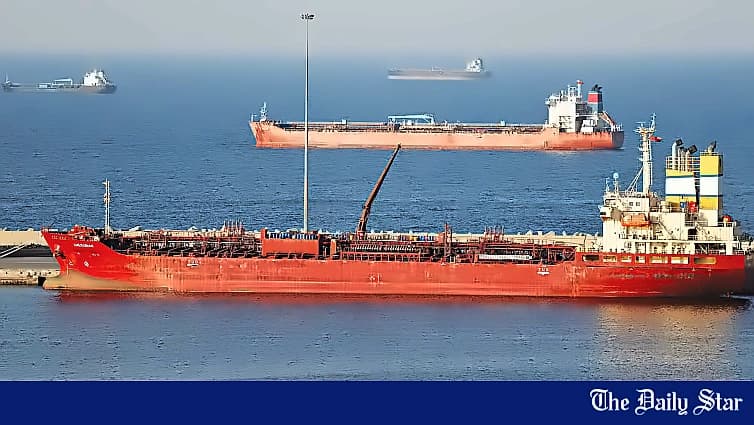
Iranian commentators have accused the UAE of assisting US military operations by hosting American bases, as reported by The New York Times. Mehdi Kharatian, an analyst close to Iran's security forces, warned in a podcast interview that Tehran could retaliate directly against Gulf states. The report noted that Iran could attempt to disrupt shipping through the Bab el-Mandeb Strait near Yemen, where the Iran-backed Houthis have previously threatened action in support of Tehran during any wider regional war. Iranian officials and commentators aligned with the government have sharply increased hostile rhetoric towards the United Arab Emirates in recent weeks, with Kharatian warning that Iran could force the Emirates 'back to the era of riding camels' if attacked again and claiming Iran could occupy Abu Dhabi if necessary. Ali Alfoneh, a senior fellow at the Arab Gulf States Institute, said these comments reveal important views circulating within the leadership of Iran's Islamic Revolutionary Guards Corps.
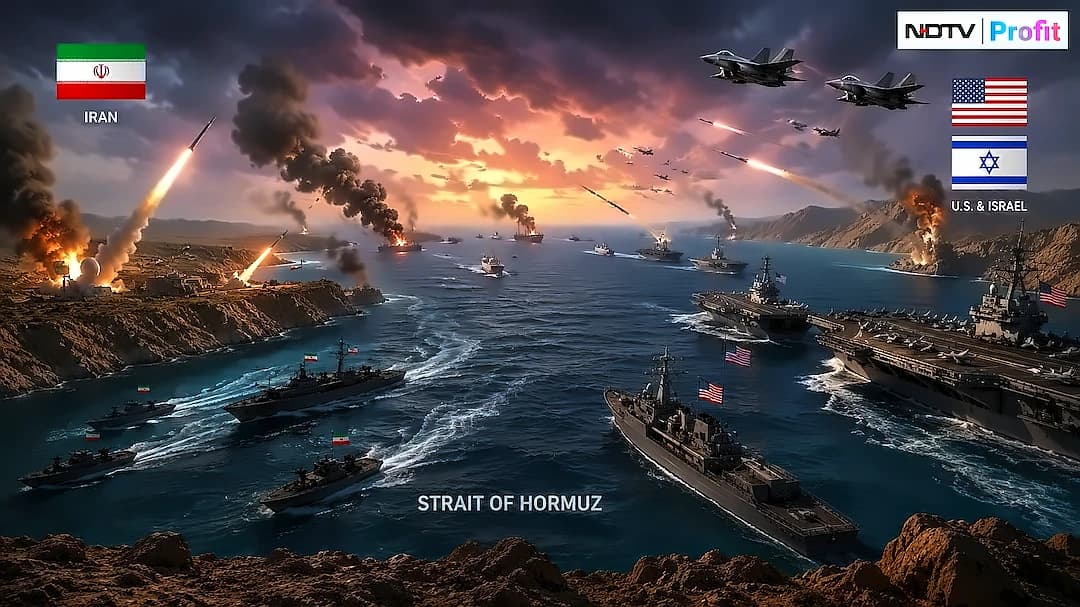
Any renewed conflict between Iran and the United States could trigger attacks on Gulf oil infrastructure and key maritime trade routes, raising fears of major disruption to the global economy, according to the The New York Times report. The potential disruption of these critical energy and shipping routes could have significant implications for global energy markets and international trade flows, particularly given the strategic importance of Gulf oil production and the Bab el-Mandeb Strait for global shipping routes. Iran may also attempt to increase pressure through important international maritime routes, with the Bab-al-Mandeb Strait being a possible target. The area lies close to territory controlled by Yemen's Houthi militia, which is backed by Iran, and around one-tenth of global trade passes through the route. During the earlier phase of fighting, Iran used its position near the Strait of Hormuz to gain significant leverage over global trade and energy markets. The global financial system, which processes roughly $10 trillion in daily transactions via cables, would face settlement failures and frozen liquidity if disruptions occur.