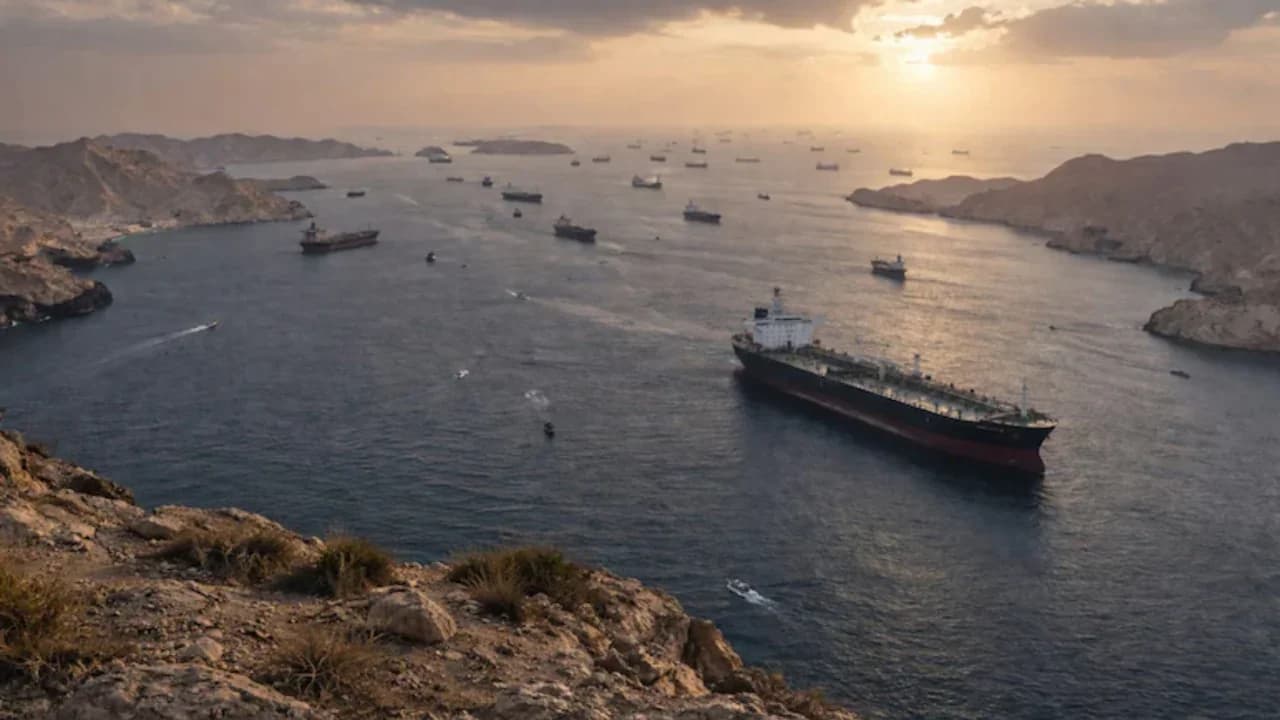
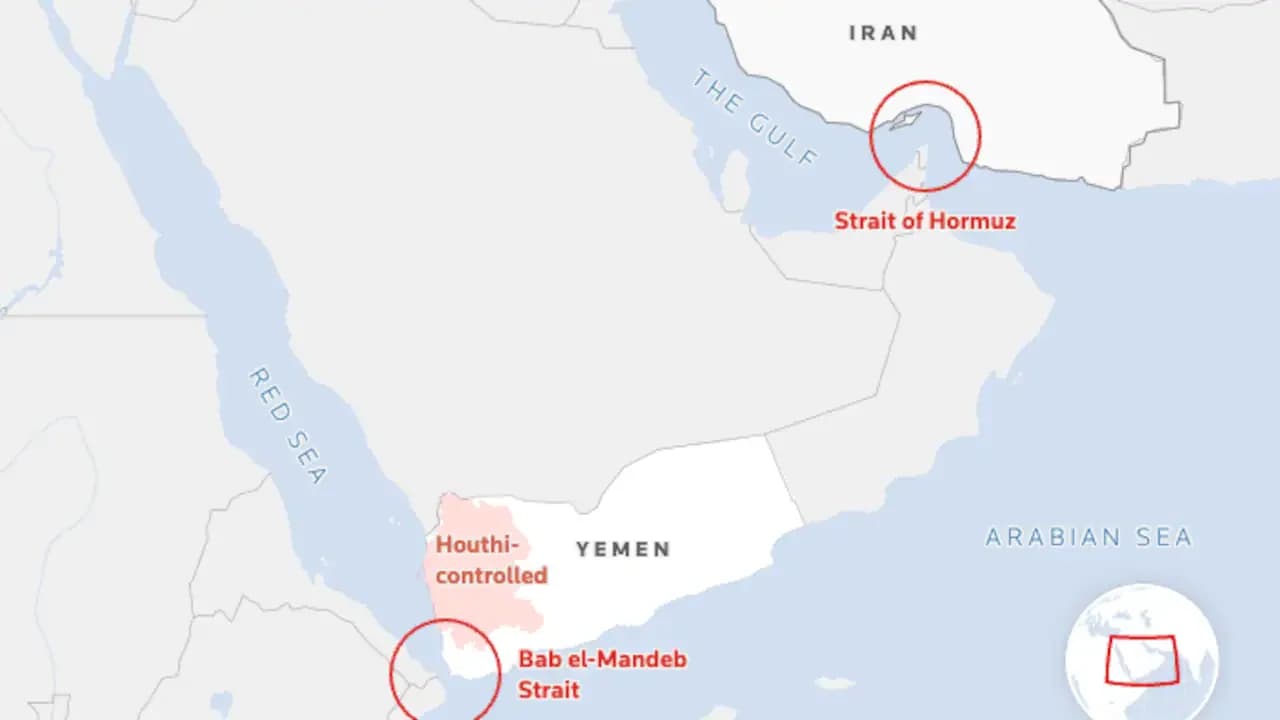
Yemen's Iran-backed Houthi movement claimed to have fired missiles at the Saudi oil tanker NCC Ghazal, forcing it to turn back as part of their self-styled blockade of the kingdom. According to Business Standard, the Houthis announced a blockade of Saudi shipping last week, putting another key Middle Eastern waterway - through the Bab el-Mandeb strait leading to the Red Sea - at risk. The United Kingdom Maritime Trade Operations Center confirmed that a tanker reported hearing explosions while travelling in the southern Red Sea, though it did not name the vessel and said the crew and vessel were safe. This latest attack follows the Houthis' earlier confirmed attack on two Saudi Arabian oil tankers in the Red Sea, with Saudi authorities later confirming one vessel was ablaze.
Saudi Arabia said Tuesday that it shot down drones fired by Iran-backed militias in Iraq for a second day, as reported by Business Standard. The Saudi Defence Ministry stated that air defences intercepted and destroyed several drones that had attempted to target petroleum facilities in the nation's eastern region. The ministry emphasized that the attacks were "once again launched from Iraqi territory and carried out by Iran-affiliated terrorist militias." Iraqi Prime Minister Ali al-Zaidi ordered security agencies to investigate after the Saudis alleged a similar attack on Monday. The Iraqi military said in a statement that Iraq is committed to "preventing Iraqi territory from being used as a route or launching point for any attack targeting brotherly or friendly countries." However, the Iraqi militias have denied any role in the drone attacks, with the Islamic Resistance in Iraq calling Saudi claims "fabrications" and implying that Monday's attacks were carried out by the Houthis.
The latest attacks underscore lingering tensions despite a period of calm between the US and Iran, as reported by Business Standard. Neither the US nor Iran has announced attacks for days following weeks of escalation over the Strait of Hormuz. The Houthis announced a maritime blockade on Saudi Arabia on July 20, opening what they described as a new front in the regional conflict involving the US and its allies. The Red Sea serves as a critical global trade corridor that handles a significant share of energy exports, making these escalations particularly significant for global energy supplies and commercial shipping operations in the region.
The Houthis also claimed to have forced around 10 ships to retreat and return during their latest military operation, though Reuters could not immediately verify this account. According to ship-tracking data reported by Reuters, five tankers changed course in the Red Sea on Wednesday, with two signalling the Suez Canal as their new destination after the Houthis warned ships to avoid Saudi ports. This represents a significant disruption to commercial shipping operations in the region, with China having previously held direct discussions with the Houthis seeking assurances that Chinese tankers would be allowed to transit the southern Red Sea without being targeted.
The tanker attack follows a recent attack that shut Aramco's Jazan refinery, according to Times of Israel reports. The renewed threats come just days after Saudi Aramco shut its 400,000-barrels-per-day Jazan refinery following a Houthi missile and drone attack, as reported by Reuters. Citing a note from consultancy IIR, Reuters reported that the strike damaged the refinery's Integrated Gasification Combined Cycle (IGCC) complex and oil storage area, with repairs expected to be completed and the refinery partially restarted by August 15.