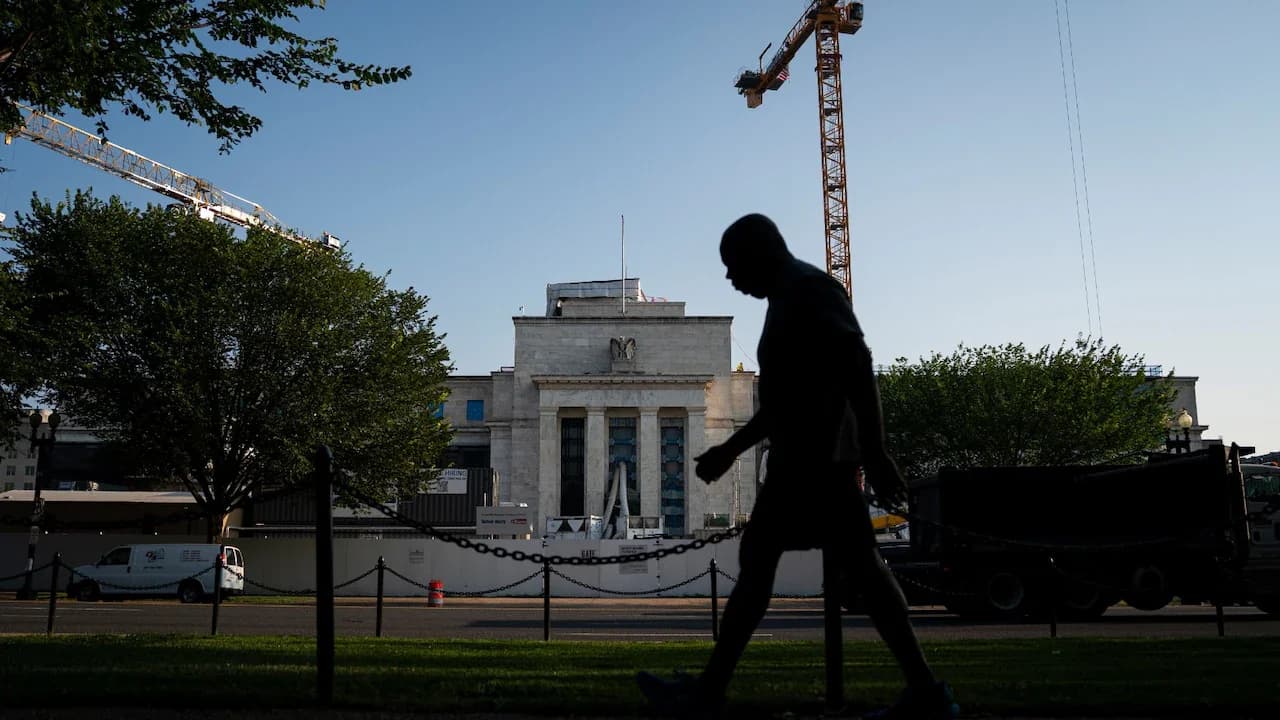
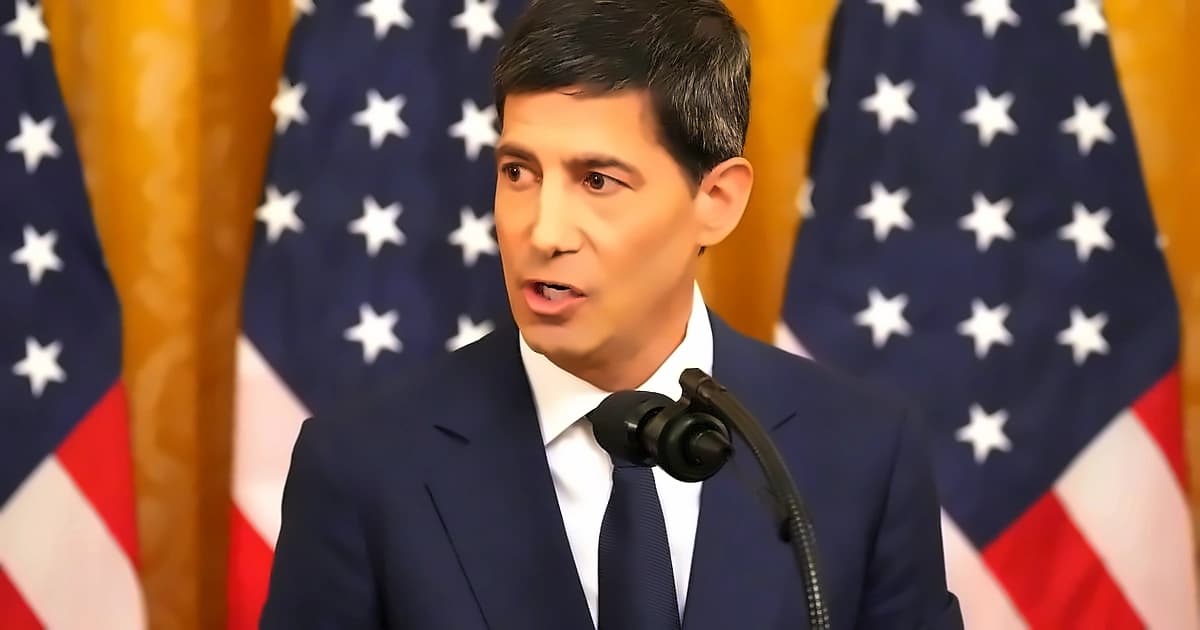
The US Senate is expected to confirm Kevin Warsh as Federal Reserve chair on Wednesday, putting the 56-year-old lawyer and financier at the helm as the central bank grapples with intensifying inflation. A Senate vote is scheduled for 2 p.m. EDT, following Tuesday's vote approving Warsh's appointment to the Fed's seven-member Board of Governors. Fed Governor Stephen Miran, currently the central bank's biggest advocate of rate cuts, will vacate his spot on the board to make room for Warsh. Warsh will take the leadership baton from Fed Chair Jerome Powell, whose term ends Friday, and is expected to chair the Fed's next meeting June 16-17. Unlike during Warsh's first stint at the Fed, the current president has been pressuring the central bank for rate cuts, with Trump undertaking what Powell calls a "series of legal attacks" on the central bank.
The Labor Department reported that the Producer Price Index (PPI) rose 6% in April and 1.4% on the month, according to reports from Business Standard. This represents the fastest pace since December 2022 when the Fed was battling a 40-year record surge in prices with sharp rate hikes. The April PPI detonated the cleanest soft-landing thesis Wall Street had been running with, climbing 1.4% on the month versus a 0.5% consensus and rewriting March's print upward to 0.7% from the originally reported figure. This represents the largest single-month wholesale inflation gain since March 2022, with the annual read now at 6%, the hottest annual measure since December 2022 and roughly 110 basis points above the 4.8% to 4.9% Street estimate. The core PPI, excluding food, energy and trade services, rose 0.6% in April and 4.4% in the past 12 months. Wholesale food costs increased 0.2% in April, while wholesale energy costs surged significantly at 7.8%.
The most concerning aspect of the PPI data was the divergence between goods and services inflation rates. Wholesale goods costs rose 2%, while wholesale service costs rose 1.1%, as reported by Investing.com India. This pattern indicates that inflation on the wholesale level is embedded and will likely persist, creating challenges for monetary policy makers. The persistent nature of inflation across both goods and services sectors suggests systemic rather than temporary price pressures. Nearly 60% of the April rise in final demand prices can be attributed to a 1.2% advance in the index for final demand services, with prices for final demand goods moving up 2.0%. Layered on top of Tuesday's hot Consumer Price Index print, the message is unambiguous: pipeline costs are accelerating, and the pass-through to consumer prices is still ahead of the data, not behind it.
Services represent a dominant portion of the PPI for final demand, accounting for approximately 68% to over 70% of total PPI coverage as of early 2026. Services are often the primary driver of PPI inflation, significantly outweighing goods. The trend in services is now ominous, with year-over-year services PPI up 5.5%, the most since 6.0% in November 2022. The index for final demand less foods, energy, and trade services increased 0.6% in April, the largest advance since rising 0.6% in October 2025. For the 12 months ended in April, prices for final demand less foods, energy, and trade services moved up 4.4%, the largest 12-month increase since jumping 4.5% in February 2023.
Treasury yields rose after the PPI release, with the 10-year Treasury yield jumping to 4.475% with intraday prints touching 4.48%, the highest level since roughly July 2025 and a notable break of the trading range that had held through the spring. The 2-year yield, by contrast, ticked slightly lower to 3.994%, which is the signal worth dissecting — the curve is steepening on inflation persistence rather than on Fed easing expectations. Financial markets now expect no change to the Fed's 3.5%-3.75% policy rate target this year, with a rate hike as soon as January. At least five of the Fed's 19 policymakers have said they wanted a rate hike as likely as a rate cut in coming months, with analysts expecting the Personal Consumption Expenditures price index to have risen 3.8% last month, moving further from the Fed's target of 2%. Powell and others have said Trump's attacks on the Fed threaten the central bank's ability to set interest rates according to economic fundamentals.