The US Bureau of Labor Statistics released April 2026 CPI data showing annual inflation rising to 3.8%, marking the highest level since May 2023 and significantly exceeding the 3.7% estimate. The Consumer Price Index for All Urban Consumers (CPI-U) increased 0.64% on a seasonally adjusted basis in April, after rising 0.9% in March. The all items index rose 3.8% for the 12 months ending April, up from 3.3% in March, with core consumer prices excluding food and energy increasing 0.376% from the previous month, exceeding market estimates of 0.3%. The all items less food and energy index rose 2.8% over the year, following a 2.6% increase in March. Energy prices climbed 3.8% in April, accounting for more than 40% of the monthly increase, with gasoline prices alone spiking 28.4% on a yearly basis. The shelter index also increased 0.6% in April, with Primary Rents rising 0.55% monthly, bringing the yearly rate to 2.79% from 2.56%, while Owners' Equivalent Rent increased 0.53%, taking it to 3.3% from 3.1%. Food prices rose 0.5% over the month, while airfares were up 2.82% monthly, significantly related to jet fuel costs. This surge in shelter costs is being blamed for a lack of data collection during the federal government shutdown, which is skewing data, as noted by market analysts.
With US inflation surging to a three-year high of 3.8%, the Federal Reserve's rate cut expectations have been pushed back significantly. The FOMC meeting is set for June 16-17, along with a Summary of Economic Projections and the 'dot plot' indicating expected rate movements in 2026. In its last policy meeting in April, the Federal Open Market Committee (FOMC) kept benchmark interest rates unchanged at 3.5%–3.75% for the third consecutive policy. Fed Chair Jerome Powell, however, underscored the increased risk of inflation from the recent jump in global energy prices. Most economists rule out the possibility of any rate reduction in the calendar year 2027, given the volatile commodity prices and US President Donald Trump's tariff policies. The immediate impact of this sharp rise in inflation effectively rules out any near-term possibility of a rate cut, as noted by Debopam Chaudhuri, Chief Economist at Piramal Finance. US bond yields have already risen sharply, which has effectively acted like a 'pseudo rate hike' by tightening financial conditions, adding to the pressure for maintaining current rates.
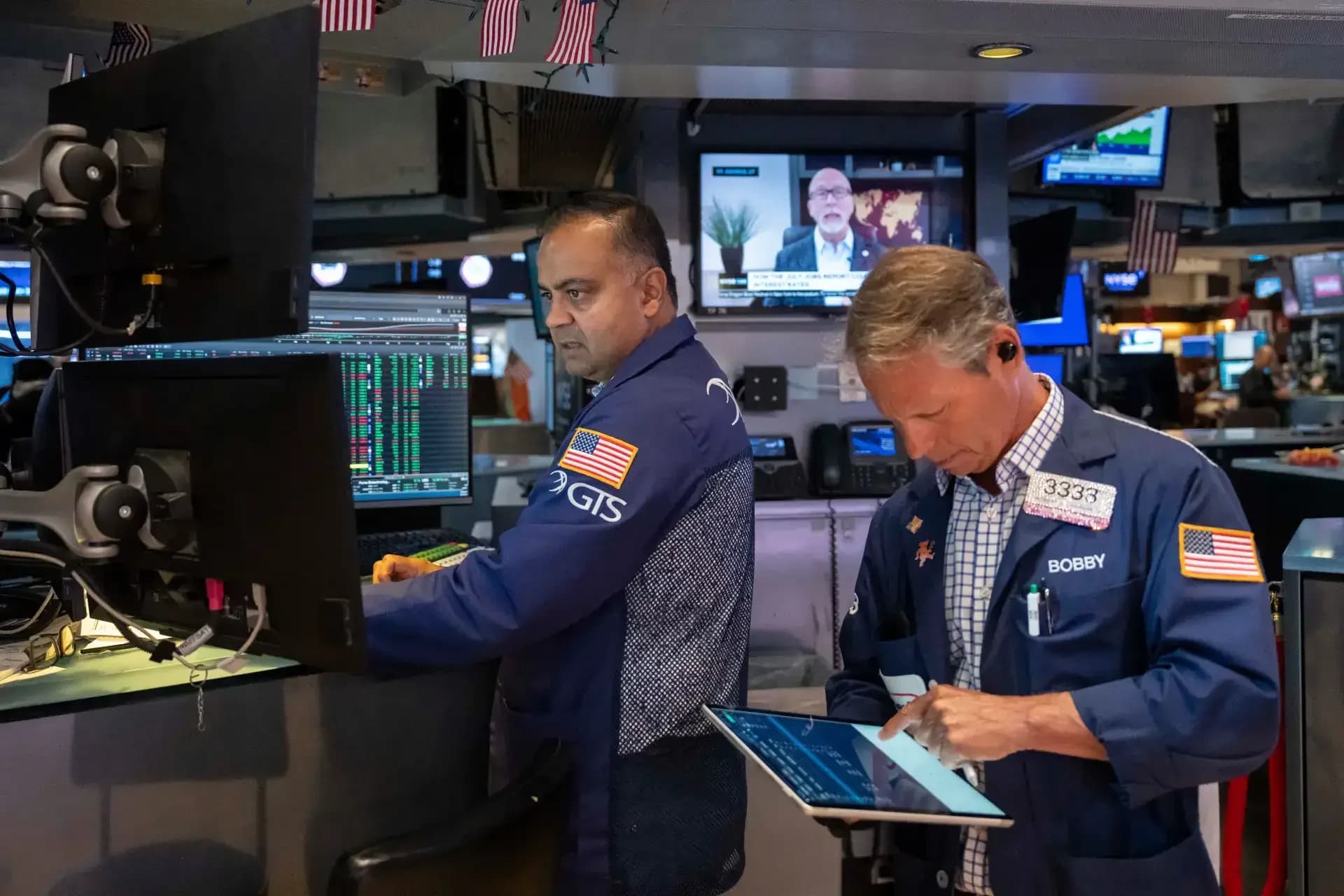
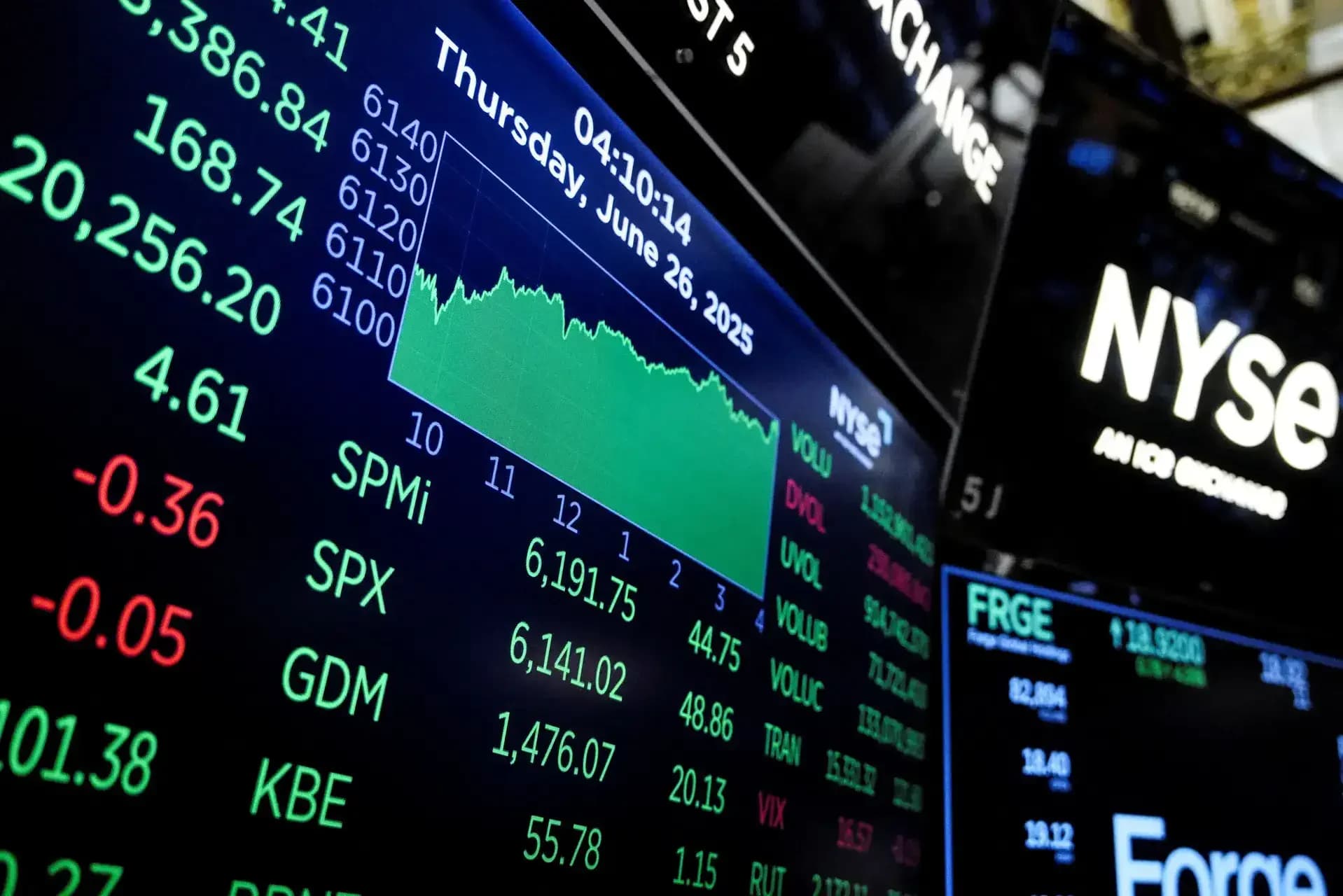
Asian markets declined on Wednesday following Wall Street's losses as the MSCI Asia Pacific index fell 0.4% with South Korea stocks declining 2.4%. US equity index futures also slipped as the S&P 500 and Nasdaq 100 retreated overnight after Tuesday's sell-off. The decline comes as elevated oil prices and mounting inflation risks are threatening to derail the blistering rebound in equities from their war-driven lows, a rally that has been fueled by gains in semiconductor stocks and robust earnings from megacap tech companies. The surge in chipmakers has already prompted calls for a pause, as the conflict in Iran clouds the outlook for growth while adding to price pressures. Brent crude edged lower to hold at over $107 per barrel on Wednesday, following three consecutive days of gains, adding to inflationary concerns across global markets. The bad thing about inflation is that it may rise further, thanks to elevated crude oil prices due to the Middle East conflict, as noted by market analysts.
Treasuries fell as rising oil prices threatened to keep inflation at levels that could prompt the Fed to raise rates next year. The US 30-year yield reached 5.02%, within two basis points of this year's high, while two-year yields traded at about 4% during the US session. A gauge of the dollar advanced for a second session on Tuesday as investors reassess Federal Reserve rate cut expectations. The disappointing CPI report, showing relatively high inflation, reinforces the notion that the Federal Reserve is unlikely to lower interest rates this year, as reported by Wealthspire Advisors' Oliver Pursche. Before the escalation of the conflict, traders had expected two rate cuts this year, but markets are now pricing in the possibility that the Federal Reserve may keep rates unchanged through the end of the year. The odds of a rate hike are rising as the Fed may consider rate hikes to combat rising inflation pressures.
The latest inflation data has triggered a sharp sell-off in technology stocks, with the Nasdaq-100 falling 2.3% amid a tech stock sell-off, despite a 16% April surge. Losses were led by Broadcom Inc., Intel Corp., and Micron Technology Inc., which were three of the top five biggest point contributors to the S&P 500 fall on Tuesday. The Philadelphia SE Semiconductor Index fell as much as 7% before paring some of the losses to end 3% lower, though it remains up around 60% for the year. Every constituent of the semiconductor index fell, led by Qualcomm's 12% drop, while the only outperformer was Nvidia, which has lagged its peers this year and will report results next week. The Direxion Daily Semiconductors Bear 3x ETF surged 9.2% with significant call writing seen on the ETF, with volumes rising to as high as 2.92 lakh contracts on Tuesday, indicating some investors are still betting on further falls in chip stocks. Shares of Intel have already more than tripled in value in 2026, surging 227%, while Micron is up 169% so far in 2026, both among the top S&P 500 performers for the year as the benefit from heavy AI infrastructure spending continues.