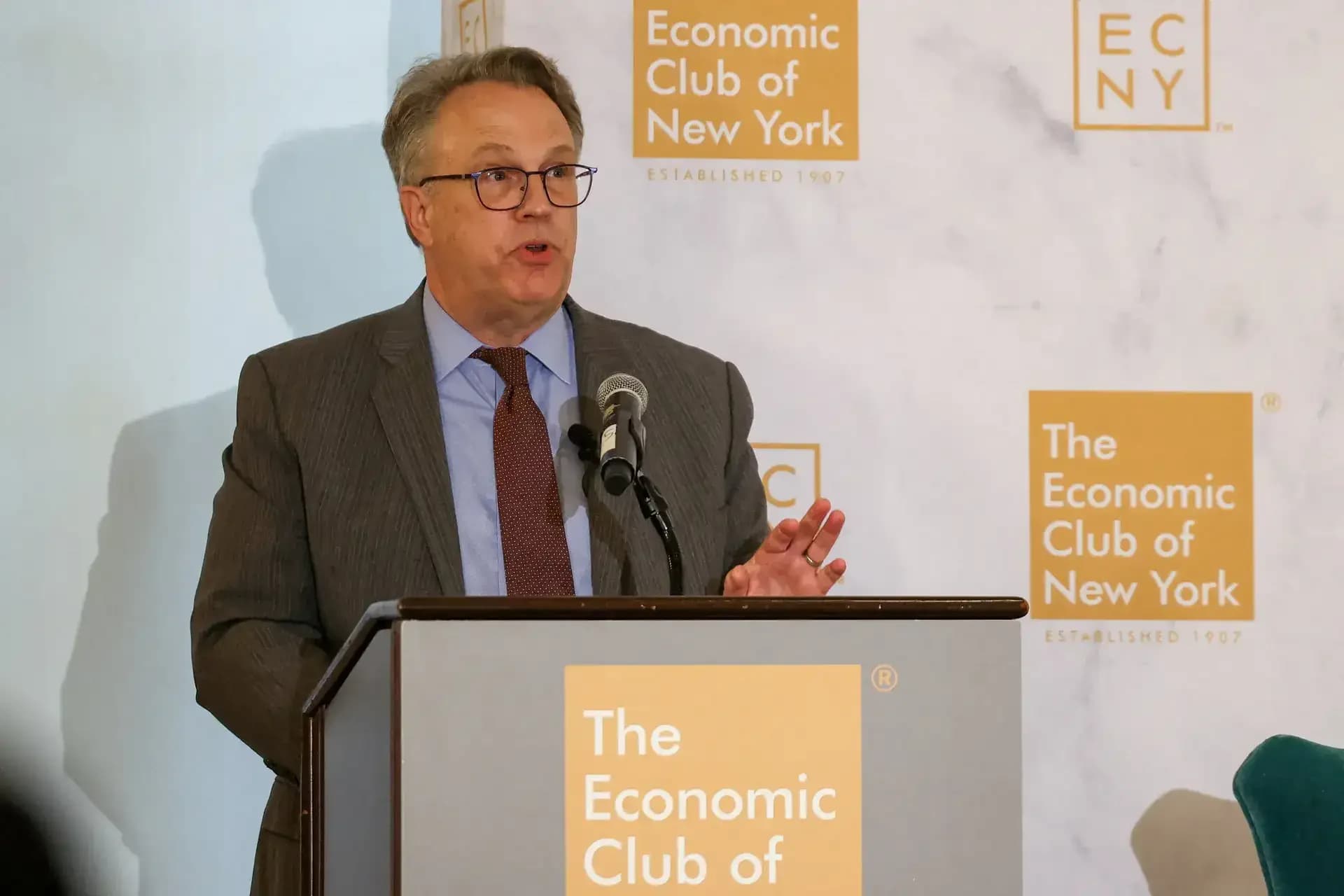
Cleveland Fed President Beth Hammack has stressed the urgency of adopting a strict monetary policy as a response to mounting inflation that now permeates various sectors, not just energy. Speaking at a National Association for Business Economics conference on Monday, Hammack advocated for 'relatively quick' adjustments to keep inflation on target at 2%, emphasizing transparency in Fed policies to aid both households and businesses in their financial planning. 'A restrictive monetary policy stance is appropriate to ensure a timely return to 2% inflation,' Hammack said, noting that 'when feasible, I generally think it's preferable to make smaller adjustments, and to do so relatively quickly, rather than to wait and risk needing a larger course correction'. Her remarks cited recent conversations in her district with firms planning to boost prices faster than their input costs are rising, as reported by The Economic Times.
All 19 Federal Reserve officials backed the decision to raise interest rates in September, with many supporting the move to guard against the risk of intensifying inflation pressures. According to minutes of the Federal Open Market Committee Sept. 15-16 meeting released Wednesday, 'most participants assessed that another increase in the target range for the federal funds rate would likely be appropriate by year end'. The FOMC unanimously backed the decision to raise the target range for their benchmark rate by a quarter-percentage point to 3.75% to 4% - the first increase since July 2023. A separate group of officials said higher rates were necessary based on their outlook for the economy, signaling greater concern for elevated inflation. The vote was 12-0 with no dissent, as reported by The Financial Express.
Hammack emphasized that inflation pressures are 'relatively broad-based rather than concentrated in one component,' moving beyond energy costs that have dominated headlines. 'Energy has been making headlines this year, with prices rising for oil, retail gasoline, and diesel, but it isn't the whole story,' she said, citing demand-side pressures coming from the AI buildout that are raising prices on key computer, electronic, and high-tech components. These cost increases are affecting data centers and projects using similar components in aviation, electricity production, and construction. Hammack's staff research puts underlying inflation currently in the mid-to-high 2% range, with her baseline forecast indicating it will take some time for inflation to return to 2% even with appropriate monetary policy. The decision comes amid mixed signals on the strength and direction of inflation, creating challenges for monetary policy, as reported by The Economic Times.
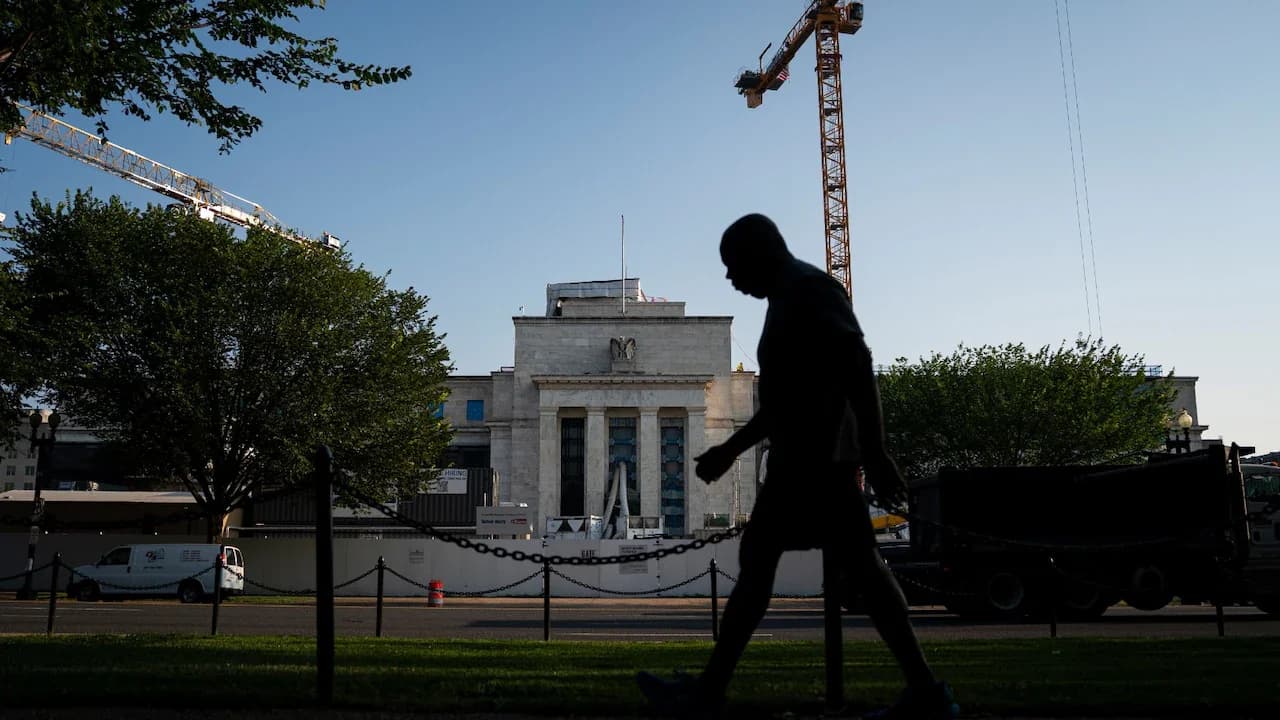
Market expectations for future Fed policy have shifted significantly, with Fed funds futures pricing in roughly 80% probability that the Fed will leave its target rate unchanged at the next FOMC meeting on Oct. 28, but a rate hike is still considered highly likely in December. The policy-sensitive 2-year Treasury yield continues to trade well above the current policy rate, with the spread between the 2-year yield and the effective federal funds rate at 89 basis points as of Oct. 7. This spread has eased recently but the broader trend remains upward, suggesting investors continue to price in higher odds of tighter policy. Investors on Wednesday were pricing in a roughly 20% chance of another quarter-point hike at the Fed's Oct. 27-28 meeting, down from around 70% in the days following the September decision. The probability of a rate hike in December has moved above 70%, with markets expecting a pause at the October meeting followed by another hike in December, as reported by The Financial Express.
Hammack emphasized the importance of policymakers continuing to explain their views, particularly providing their likely reaction to different economic data, noting 'I have a responsibility to the public to explain why I make the decisions I make. Transparency has the benefit of allowing consumers, businesses, and financial markets to make better-informed decisions.' This approach contrasts with Fed Chairman Kevin Warsh's preference for a 'quieter' Fed and opposition to forward guidance. Hammack, a voting member of the central bank's policy committee, has been among the more hawkish Fed voices, having dissented in favor of raising rates at the July meeting and joining her colleagues in voting to raise rates in September. Current data does not point to 'an economy in which the crew are exhausted and the boat is taking on water,' Hammack added, stating instead that 'it reads, instead, as one that can handle a tighter hand on the tiller to finish the job on inflation,' as reported by The Economic Times.
The minutes revealed discussion about current market conditions, with officials noting that 'financial conditions appeared to be supportive of economic growth, with equity prices having risen substantially this year and spreads on corporate bonds having remained narrow'. Despite recent rises in longer-term Treasury yields, officials viewed the conditions as supportive. The dollar index remained over 102 on October 8, nearing its highest level since April 2025, as the latest FOMC minutes indicated a hawkish posture amid persisting inflation threats. Brent prices climbed toward $103 per barrel on Thursday, reaching a two-week high following reports that the Trump administration had instructed the Pentagon to develop strike options against Iran that could be carried out before the midterm elections. The picture may become clearer after the US mid-term elections are over, as reported by The Financial Express.