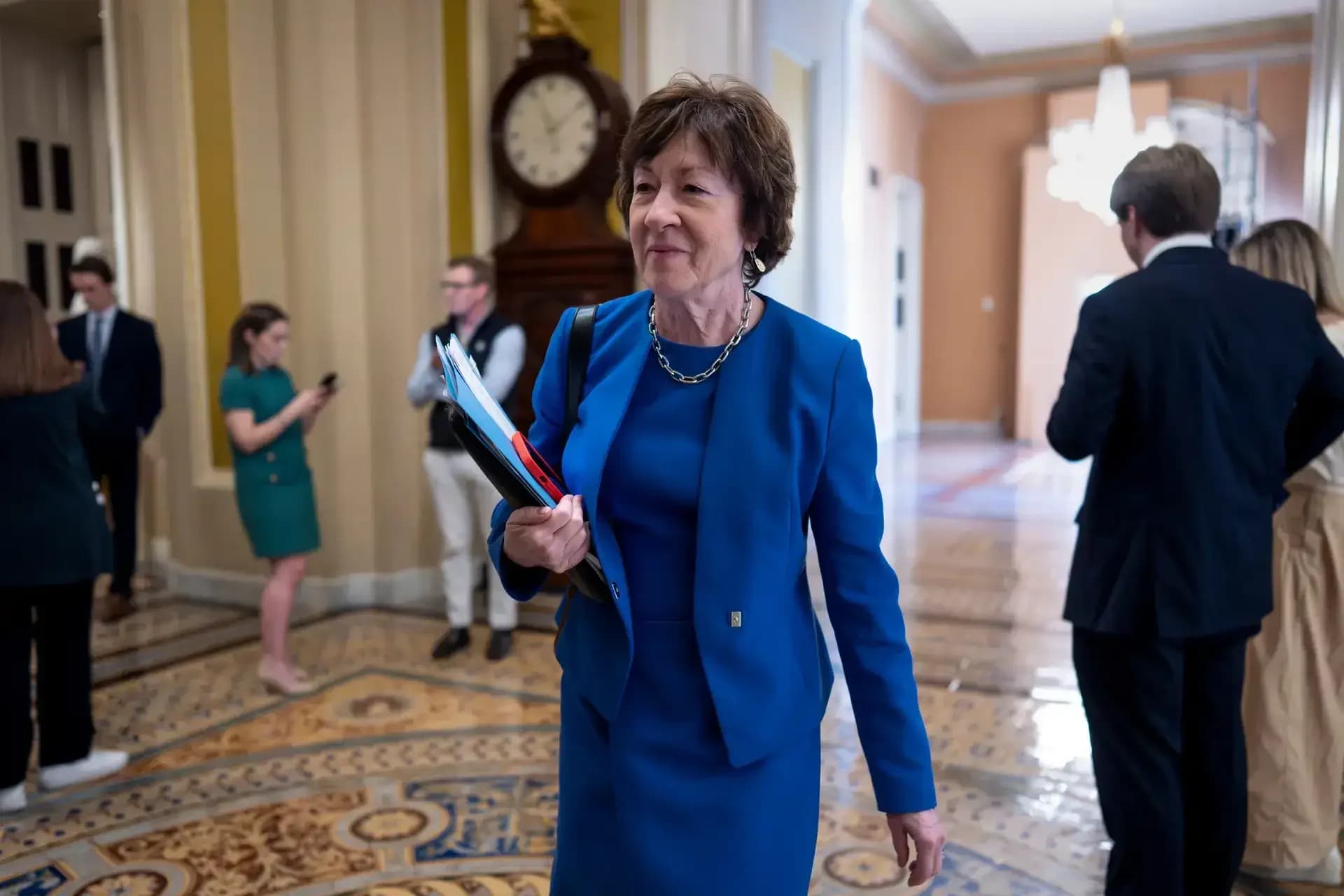
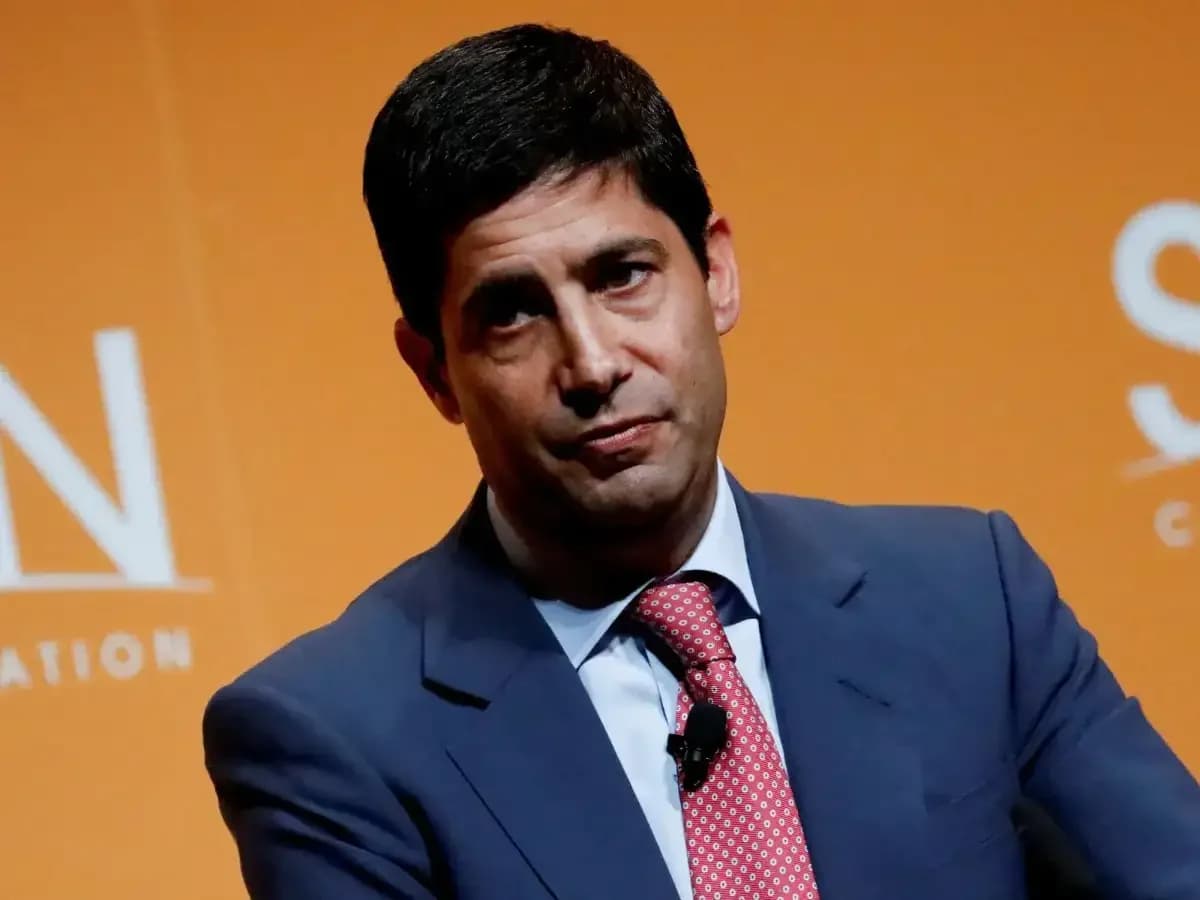
After a lengthy confirmation process, Kevin Warsh was finally confirmed on Wednesday as the new head of the Federal Reserve, replacing Jerome Powell who stepped down after his eight-plus year tenure. Warsh brings significant Fed experience to the role, having served as a governor from 2006 to 2011 and being one of the youngest people ever appointed to the role. His reputation through the back half of the Powell years was as a dove -- someone who believes rates can be cut -- with a market-friendly approach, believing the Fed takes too active a role and should take a more hands-off approach. The confirmation comes as the Fed faces mounting inflation pressures that have intensified in recent months.
The new Fed chair inherits significant inflation challenges that have intensified with recent oil price movements. The Consumer Price Index (CPI) reached 3.8% year-over-year in the latest data, marking the highest level in three years and representing an acceleration from the 3.3% rise in March. According to the Labor Department, gasoline prices grew at a slower pace but continued to drive headline inflation. Excluding energy and food categories, core inflation climbed to 2.8% from 2.6%, still missing the Fed's 2% target. The inflation surge comes as Brent and West Texas Intermediate crude both eclipsed the $100-per-barrel threshold this week, with traders growing less optimistic about a resolution to the Iran war. This represents a significant escalation from the over 9% inflation peak that occurred during Powell's tenure.
Market expectations for Federal Reserve policy have shifted dramatically as inflation concerns mount. According to Barron's analysis, futures markets now price in a more than 50% probability of at least a quarter-point increase by December from the current 3.50% to 3.75% federal funds target. The Treasury market reflects this expectation, with the two-year note rising above the fed-funds range to 4.09% and the 30-year long bond hitting 5.12% - its highest yield since June 2007. The benchmark 10-year note yield traded near its year-to-date highs this week, with the two-year note rising above the fed-funds range to 4.09%. With elevated energy costs feeding inflation, market participants don't expect any rate cuts from the Fed this year, as reflected in the CME Group's FedWatch Tool. The odds of the Fed hiking interest rates by 25 basis points in December are approaching 40%, up from 13.6% a week ago.
U.S. stocks declined Friday as rising crude prices fueled global inflation fears, pushing Treasury yields higher and making equities less attractive. The Dow Jones Industrial Average fell 537.29 points, or 1.07%, to 49,526.17, while the S&P 500 lost 92.74 points, or 1.24%, to 7,408.50 and the Nasdaq Composite lost 410.08 points, or 1.54%, to 26,225.15. Among the 11 major sectors in the S&P 500, energy shares jumped 2.3%, while the remaining 10 sectors lost ground, with materials and utilities suffering the steepest percentage losses. The Philadelphia SE Semiconductor Index slid 4%, dragged lower by stocks that have benefited from the AI hyperscaler phenomenon. Despite the selloff, the S&P 500 logged its seventh straight weekly gain, its longest streak since a nine-week run ended in December 2023. According to Slatestone Wealth's Kenny Polcari, there's a realization that the market had gotten ahead of itself in the AI trade, paying insufficient attention to bond market and economic data.
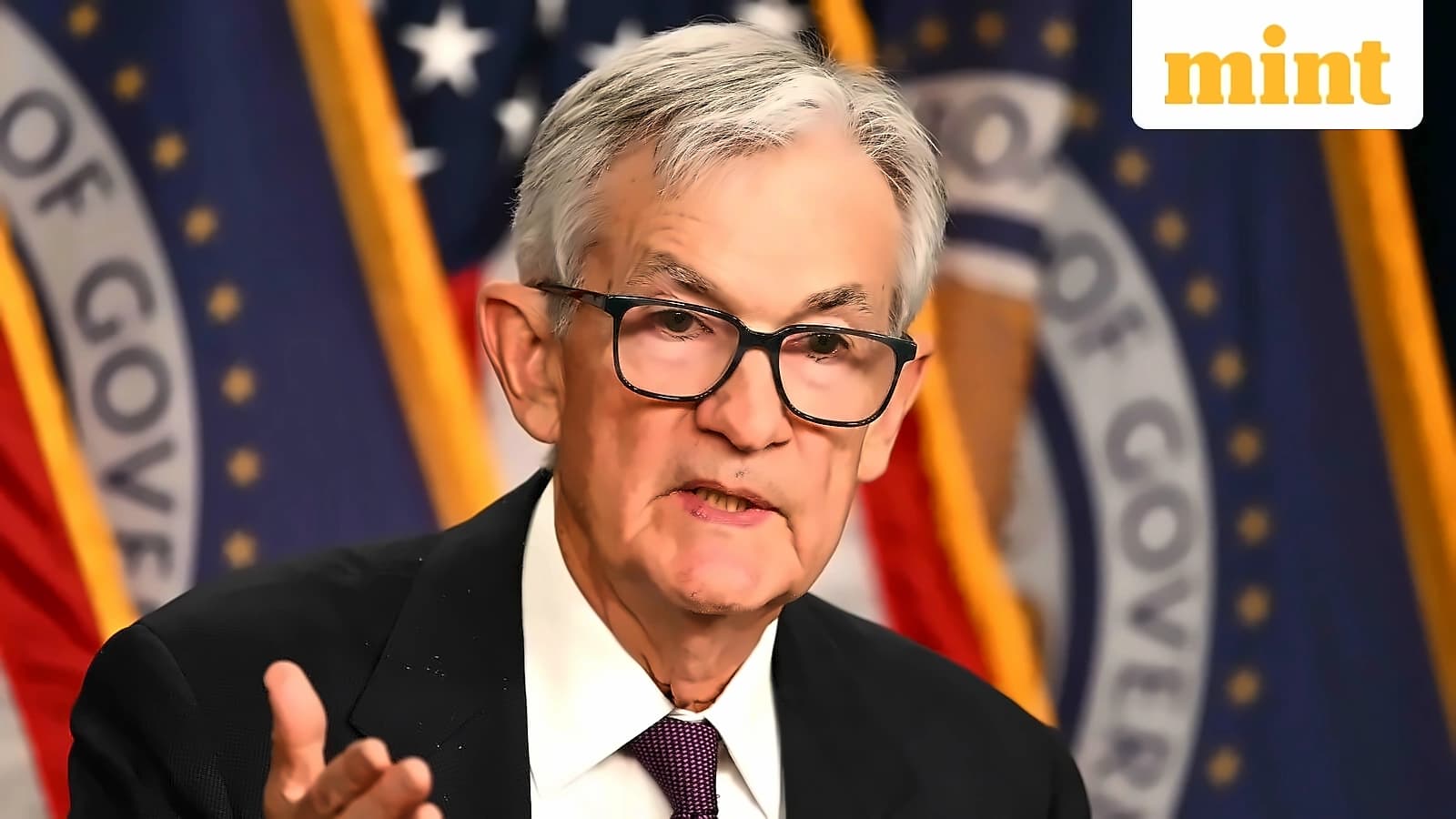
The inflation surge and oil price volatility are creating ripple effects across global financial markets. In the U.K., the 10-year gilt yield reached a fresh post-2008 peak amid the oil supply crunch and domestic political uncertainty. The U.S.-China summit is underway and concluded with few tangible results, with Beijing offering no clear help toward resolving the U.S.-Iran conflict. According to Keator Group's Matthew Keator, the weakness today highlights concerns that recent inflation numbers aren't transient, and it's hard to envision the new chair communicating anything other than a neutral policy stance at best until consistent, meaningful data changes occur. This represents a critical challenge for the new Fed leadership as they navigate between supporting the historic bull market and addressing inflation concerns while managing global financial conditions.