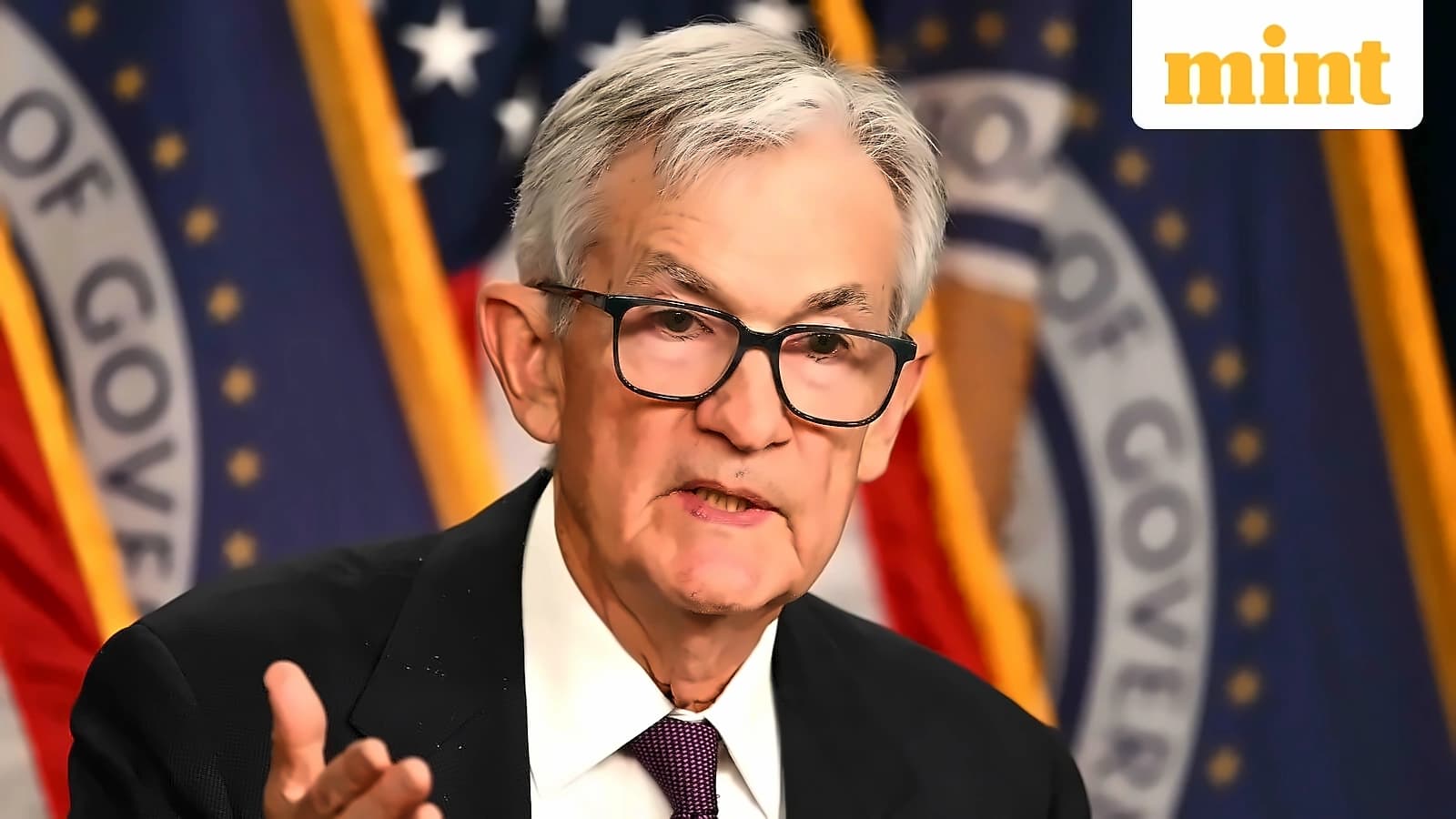
New Fed Chair Kevin Warsh inherits a deeply divided Federal Reserve, with four of the Fed's 12 voters dissenting against the latest policy statement - the largest set of defections since 1992. According to reports from Reuters, three of the dissenting group supported holding interest rates steady but objected to language in the Fed's policy statement they felt did not adequately account for developing inflation risks that might require a rate hike. The concerns were underscored by benchmark global oil prices spiking to $126 per barrel amid the continued standoff between the U.S. and Iran over the closure of the strategic Strait of Hormuz shipping channel. As FX Alert reports, this created a fracture line where an 8 to 4 split emerged, with one vote for a cut on one side, three votes pushing back against any perceived drift toward easing, and the statement trying to sit on both sides of the mandate without committing to either.
The oil price surge represents the highest level since March 2022 following the Russian invasion of Ukraine, creating significant economic pressures. As reported by Reuters, key U.S. prices are again climbing, with gas hitting $4.30 per gallon on average according to data collected by the American Automobile Association, also the highest since that spring of 2022. Fed policymakers had what Powell called a 'vigorous discussion' over whether to change the Fed's post-meeting statement to signal the central bank's next move could be a rate hike, with Reserve Bank presidents Beth Hammack of Cleveland, Lorie Logan of Dallas and Neel Kashkari of Minneapolis wanting to move to more neutral language. Fed Governor Stephen Miran dissented in favor of a rate cut as he has at every meeting since joining the Fed last fall. According to FX Alert, when oil moves like this, it does not just inflate gasoline prices but rewires macro expectations, with the dollar holding its ground not because the Fed turned hawkish but because the world around it is getting more unstable.
Despite the oil price pressures, the economy continued expanding in the first months of the year, growing at a 2% annual rate in the first quarter with continued business investment and consumer spending. However, overall inflation by the Fed's preferred Personal Consumption Expenditures price index was 3.5% in March, well beyond the central bank's 2% target, while underlying or 'core' prices that exclude commodity-based food and energy costs, rose at a 3.2% pace versus 3% in February. According to FX Alert, growth is expected to hold up with the economy running at a solid pace, driven by a rebound in government spending and continued resilience in tech investment, but core PCE expected to print in the low threes, not alarming enough to force immediate tightening but far from comfortable enough to justify easing. This keeps the Fed boxed in, which in turn keeps volatility alive.
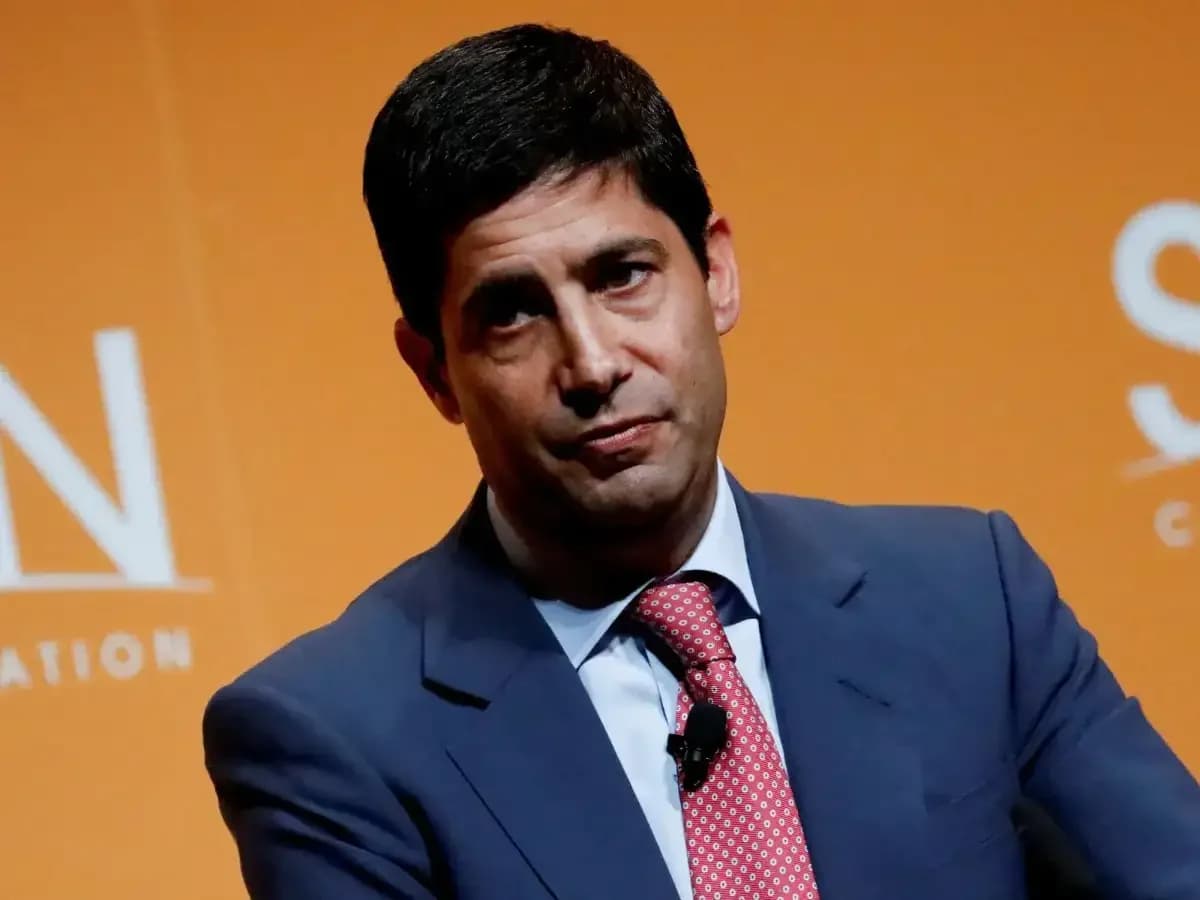
Promising 'regime change' at the Fed, Warsh told lawmakers at his confirmation hearing that he feels the Fed is too stuck in its set ways and he'd like to shake it up. As reported by Reuters, Warsh said he tends to favor messier meetings where people don't show up with rehearsed scripts, stating 'If the central bank has that good family fight, I think that they're going to make better decisions, and if they happen to make mistakes, they'll correct them sooner.' His nomination cleared a key hurdle in the Senate on Wednesday and he is expected to oversee the Fed's next policy meeting on June 16-17. However, pressure from colleagues to shift Fed guidance towards a rate hike could complicate his approach, as President Trump picked Warsh after souring on Powell and said he expects rates to fall after Warsh takes over. According to FX Alert, Warsh now walks into a building where the orchestra is already tuning up without him, with the Senate clearing the path but the Fed board delivering a warning shot across the bow that delivering a dovish pivot will not be a smooth glide path.