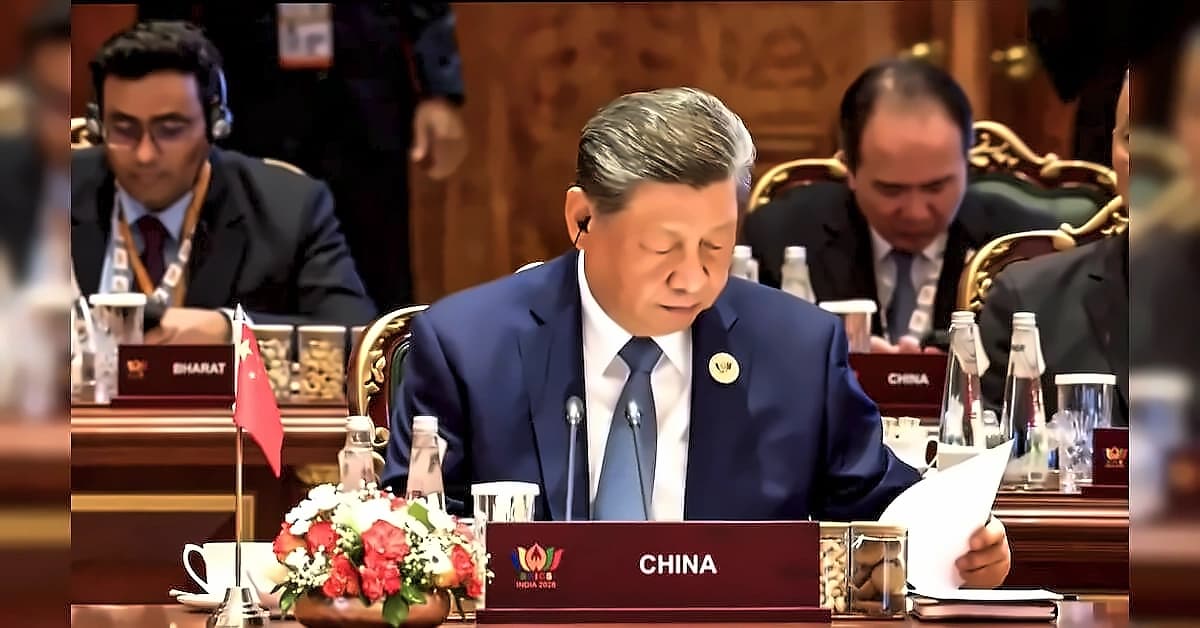
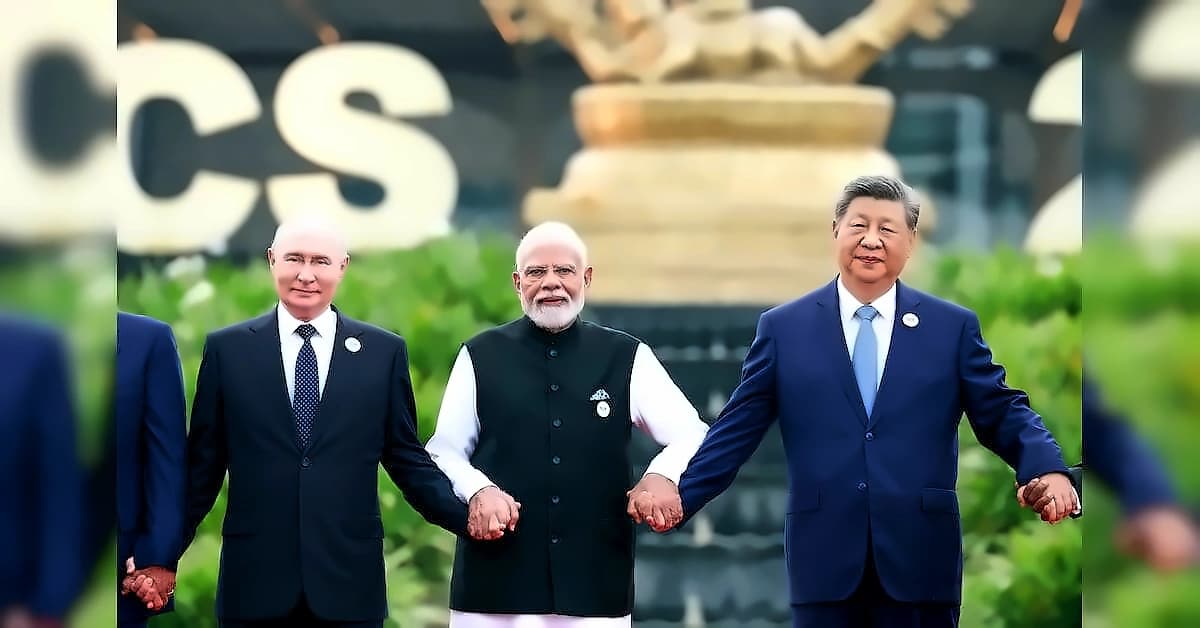
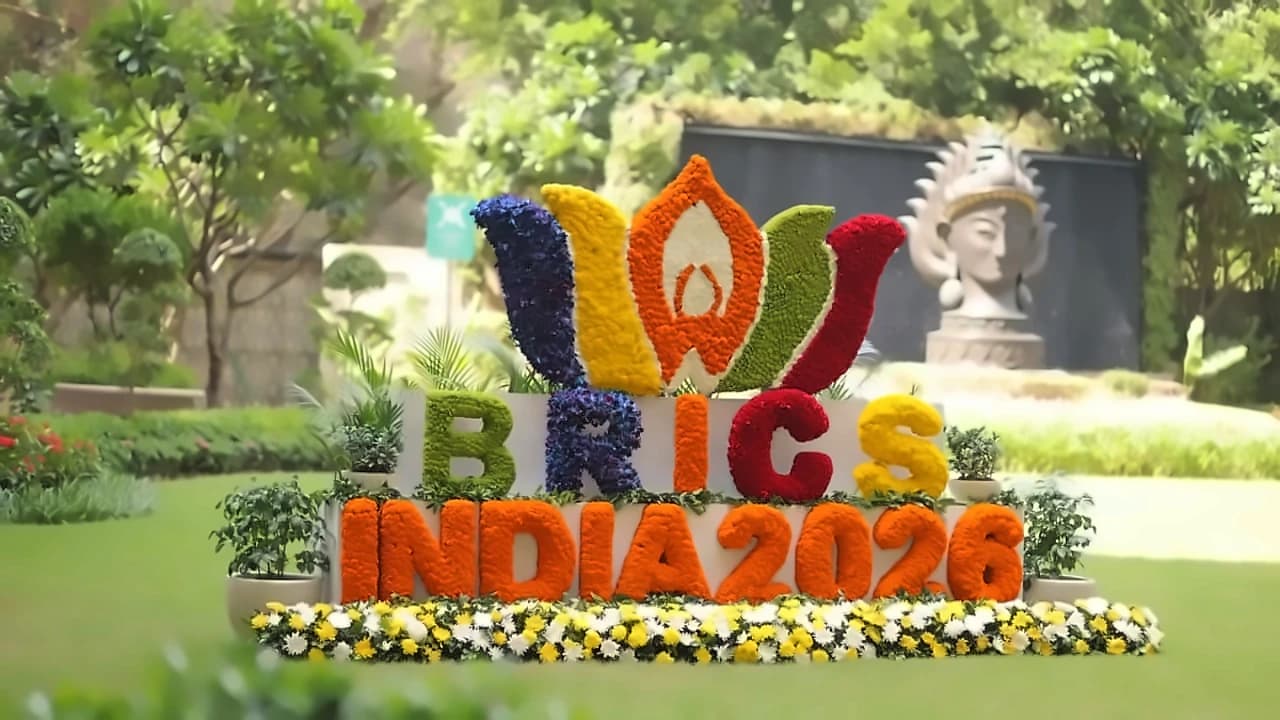
Indian Prime Minister Narendra Modi successfully steered rival BRICS nations toward a joint statement despite competing positions over issues ranging from an escalating war in the Middle East to trade, according to an Indian government official who asked not to be identified. The two-day BRICS summit kicked off in New Delhi on September 12, attended by Chinese President Xi Jinping in his first visit to the country in seven years, alongside Russia's Vladimir Putin, Iran's Masoud Pezeshkian and others. The negotiations lasted into the early hours of September 12 and were particularly complex, given the need to secure agreement among countries including Iran, Saudi Arabia and the United Arab Emirates. This marks a significant achievement for Modi, who is seeking to balance ties with Iran on one side, and the UAE, the US and Israel on the other.
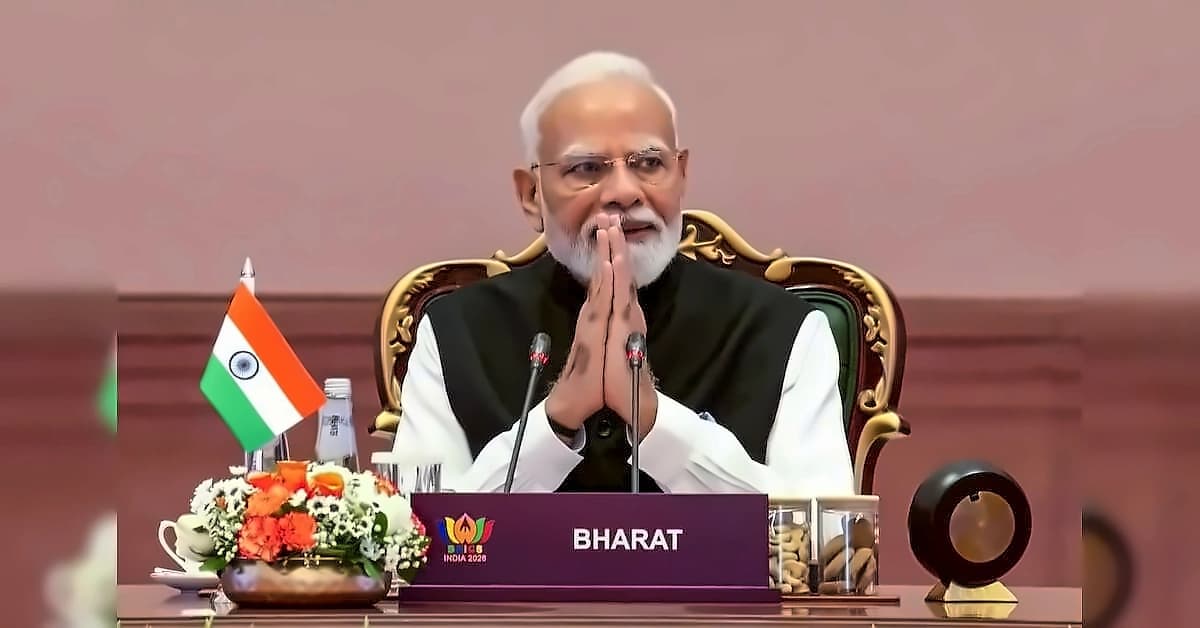
Prime Minister Narendra Modi emphasized the need for countries driving global economic growth to have appropriate representation in inter-governmental organizations during his welcome address at the 18th BRICS Summit in New Delhi. According to reports from Business Standard, Modi stated that nations making bigger contributions to global economic growth must get an appropriate say in shaping global economic governance. The summit comes at a time when economic cooperation is expected to dominate much of the agenda, with leaders due to discuss energy, food security, technology, supply chains, investment and reform of global institutions. As per Business Standard, Modi called for immediate reforms in the UN Security Council and demanded that voting power, leadership positions, and policy priorities within international financial institutions must reflect contemporary economic realities.
A key priority for BRICS leaders is reducing dependence on the US dollar in trade and payments, with several countries backing greater use of national currencies and the development of financial mechanisms that provide alternatives to Western-dominated institutions. According to reports from Business Standard, Iranian President Masoud Pezeshkian emphasized that expanding the use of members' national currencies should be a central objective, stating that one of the most important steps is to expand the use of national currencies in trade among the members. This initiative reflects the bloc's efforts to position itself as a platform for emerging and developing economies while pressing for reforms to international institutions to give countries outside the West greater representation.
According to the International Monetary Fund (IMF), India, China and Russia were among the top 10 contributors to global gross domestic product (GDP) in 2025. As reported by Business Standard, this economic leadership positions these BRICS nations to play a more significant role in global economic governance. The 18th BRICS Summit is being hosted under India's presidency and will conclude on Sunday, with global leaders including Russian President Vladimir Putin, Chinese President Xi Jinping, and Iranian President Masoud Pezeshkian attending the two-day summit. The grouping has grown to 11 members, accounting for about half of the world's population and a significant share of global economic output.
The summit takes place amid rising Middle East tensions, with oil prices surging close to US$110 amid worries over energy supplies and Asian equities and bonds slumping. Hours before the summit kicked off, Saudi Arabia closed a key alternative pipeline to the Strait of Hormuz following multiple attacks from Iran-backed militants. Iranian President Masoud Pezeshkian gave a defiant speech in New Delhi on September 11, saying the people of his country will not surrender. "They want to bully us, and we do not want to be bullied," he said of the United States and Israel. "We never kneel down before them. If they push us, we push back." For host India, the summit highlights New Delhi's delicate diplomatic balancing act as it maintains longstanding relationships with Russia and Iran while expanding economic, defence and technology cooperation with the US and European countries. Modi met Putin and Pezeshkian separately on September 11, while Modi and Xi are expected to hold talks later to potentially strengthen diplomatic relations after relations deteriorated following deadly clashes along their disputed Himalayan border in 2020.