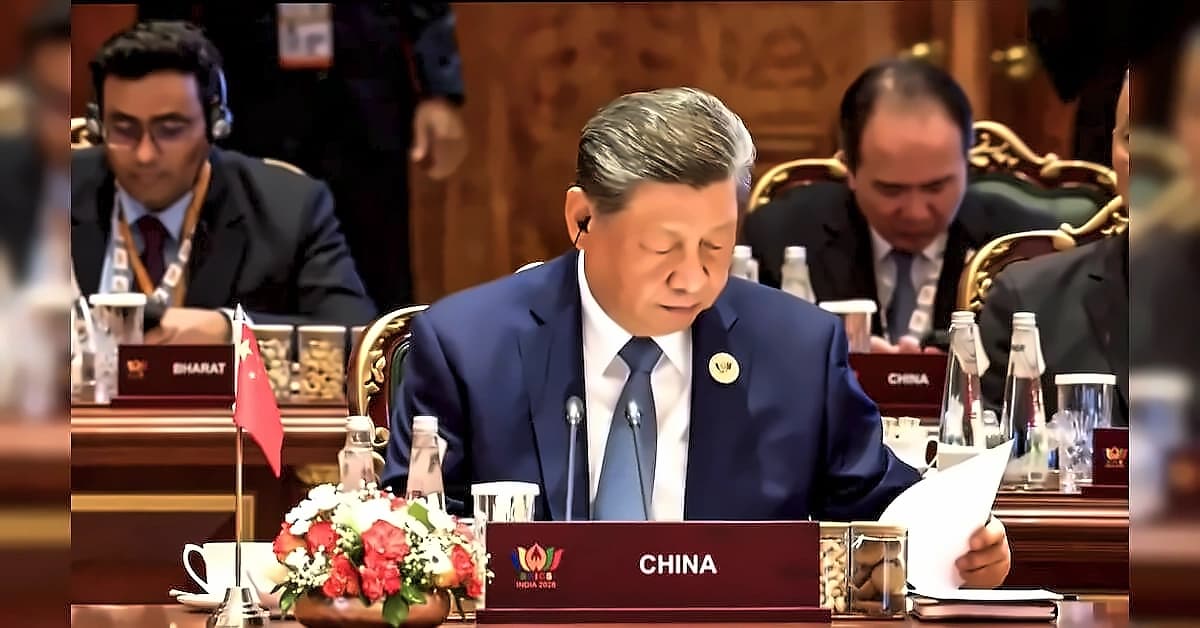
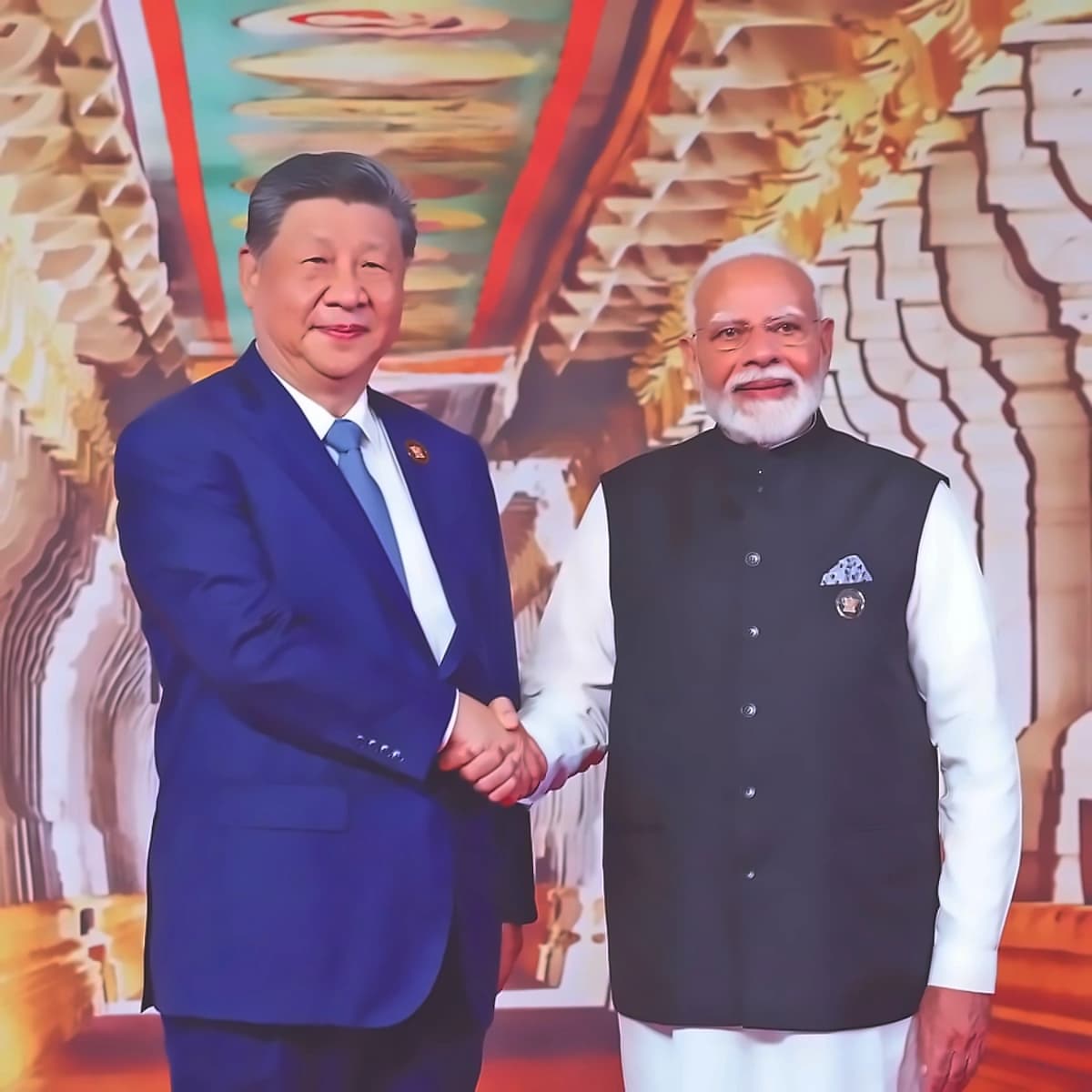
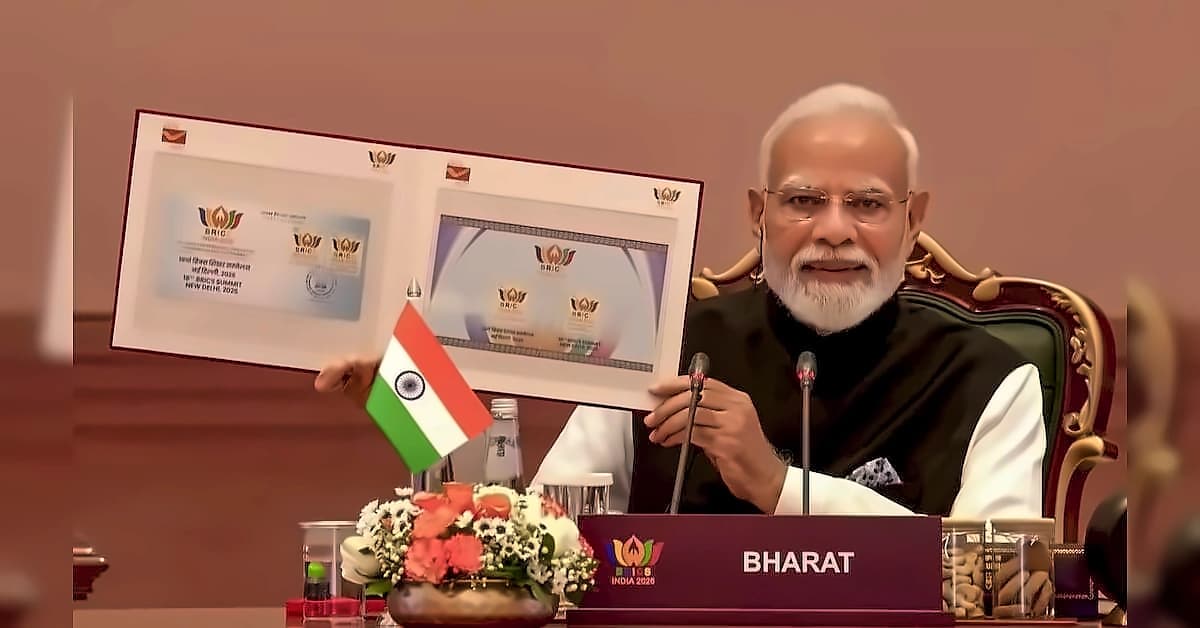
A high-stakes bilateral meeting between Prime Minister Narendra Modi and Chinese President Xi Jinping has concluded on the sidelines of the BRICS Summit 2026 in New Delhi, marking a significant diplomatic engagement. As per The Times of India, the meeting comes as China will assume the BRICS chairmanship in 2027 and host the 19th BRICS Summit, with details on specific dates and host city yet to be disclosed. Xi's arrival in New Delhi for the summit represents his first visit to India in seven years, making this a particularly significant diplomatic engagement. The meeting focused on further normalising bilateral ties, including through greater trade and investment, according to people familiar with the matter. Chinese President Xi Jinping said his country looked at ties with India from a strategic and long-term perspective, adding that both nations could learn from each other's strengths and achieve shared development, as quoted by Xinhua. The talks followed a series of high-level engagements, including India's National Security Adviser Ajit Doval and Chinese Foreign Minister Wang Yi held Special Representative talks in Beijing last month, focusing on the boundary issue and maintaining peace along the Line of Actual Control. The leaders' last sit-down bilateral meeting was on August 31, 2025, when Modi visited China for the Shanghai Cooperation Organization summit, as reported by Business Standard.
Chinese President Xi Jinping proposed five new initiatives to deepen BRICS cooperation during Session II of the 18th BRICS Summit in New Delhi on Sunday, as reported by the Chinese Embassy. The comprehensive proposals focus on artificial intelligence, trade, digital infrastructure, smart manufacturing, and technology talent development. According to the Chinese Embassy, Xi Jinping said BRICS countries must strengthen cooperation as the Global South gains greater influence in a rapidly changing international environment. The first proposal establishes an open-source and inclusive AI initiative, with China planning to establish a BRICS AI open-source community and support cooperation on the development and application of large language models. Beijing also plans to organise AI seminars and training programmes to support this initiative. The second initiative focuses on trade and investment facilitation, with China suggesting creating a BRICS special economic zone partnership that would include an intelligent portal and greater policy coordination among member countries. China will also host a BRICS Forum on Trade in Services next year as part of this initiative.
BRICS countries unanimously adopted a joint declaration on Saturday, expressing "deep concern" over the ongoing war in West Asia, as reported by The Times of India. The grouping called for maximum restraint and backed a "multilateral approach" that takes into account the positions of individual nations. The declaration stated: "We express deep concern over the continued escalation of tensions in Middle East...call for exercising maximum restraint...avoiding actions that could further aggravate the situation." The joint declaration also reaffirmed the member countries' commitment to settling international disputes peacefully "through dialogue, consultation, and diplomacy" and advocated a multilateral approach that respects diverse national viewpoints. Prime Minister Modi announced that the New Delhi Declaration 2026 was adopted unanimously at the BRICS Summit, with none of the member countries raising objections to the declaration. As per NDTV Profit, PM Modi said on Saturday that BRICS members had found common ground on strengthening cooperation, despite differences among them, urging member countries to move beyond broad commitments and turn summit agreements into concrete action.
Chinese President Xi Jinping urged BRICS countries to play a leading role in global governance covering cyberspace, outer space and the deep sea, while amplifying the voice of the Global South, according to Xinhua. Xi called for greater cooperation in innovative development, peace and stability, and mutual learning among civilisations. He emphasized that BRICS should work towards a more just and equitable international order and build a community with a shared future for humanity. Xi also called for strengthening cooperation on artificial intelligence to promote AI-driven industrialisation, highlighting AI as a key area for future collaboration. Prime Minister Narendra Modi announced that he proposes a 10-point roadmap to reform global governance, calling for BRICS countries to work together to develop a common framework by the time of the next summit, according to The Times of India. Modi emphasized that reform of the UN Security Council can no longer be postponed, with negotiations linked to a definite timeframe and clear outcomes. In his address at the concluding session, Xi called for reform of the international financial architecture to increase the representation of developing countries, as reported by Business Standard.
Commerce Secretary Rajesh Agarwal confirmed that India and China are actively working to address bilateral trade issues, including structural imbalance and supply-chain challenges, following discussions at the BRICS summit in New Delhi. As reported by The Times of India, the two countries are exploring measures to narrow the trade gap and make cross-border commerce more balanced. India seeks to expand exports to China while reducing dependency on Chinese imports, marking a significant shift in trade relations. During the bilateral talks on September 12, both leaders acknowledged steady progress in bilateral relations since their last meeting in Tianjin in August 2025, as reported by the Ministry of External Affairs. PM Modi highlighted that both sides must be guided by three goals including mutual respect, mutual sensitivity and mutual interest, and appreciated China's support for India's BRICS chairship and its contributions towards the summit's success. The Prime Minister emphasized that peace and tranquillity in the border areas is essential for the continued development of bilateral relations and underscored the need for both countries to observe existing agreements and understandings on border-related issues. Both leaders noted the progress in people-to-people ties and highlighted the need to further promote cultural exchanges, business linkages and greater mobility between India and China. They further expressed commitment to a fair, reasonable, and mutually acceptable resolution on the boundary question "proceeding from the political perspective of their overall bilateral relations and the long-term interests of the two peoples," as per the Ministry of External Affairs. In July, new border tension emerged, this time in Arunachal Pradesh, where locals spotted Chinese soldiers or graffiti in a non-demarcated part, highlighting ongoing border-related challenges. The talks covered the border, trade, market access and supply-chain issues in general, as reported by Business Standard.