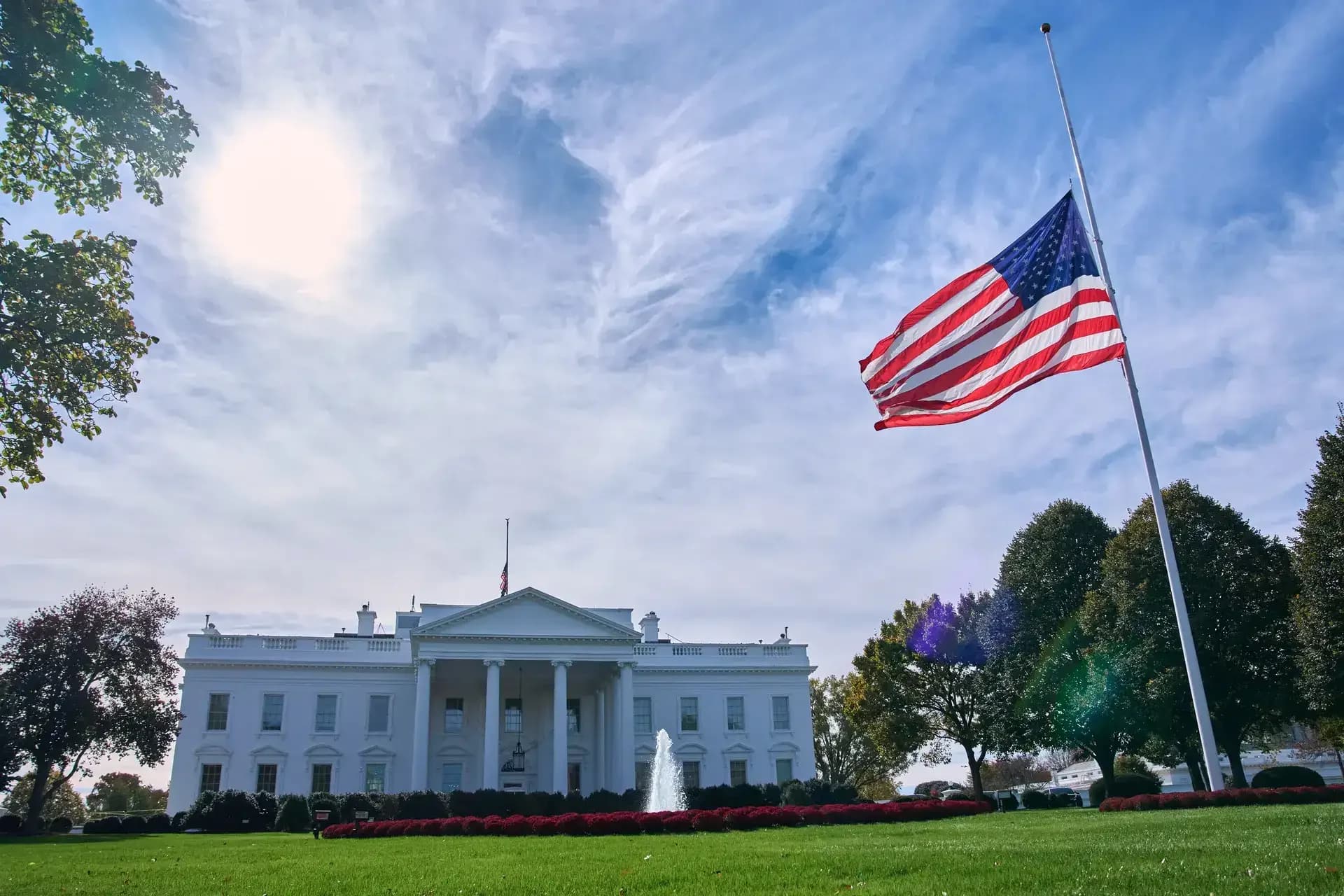
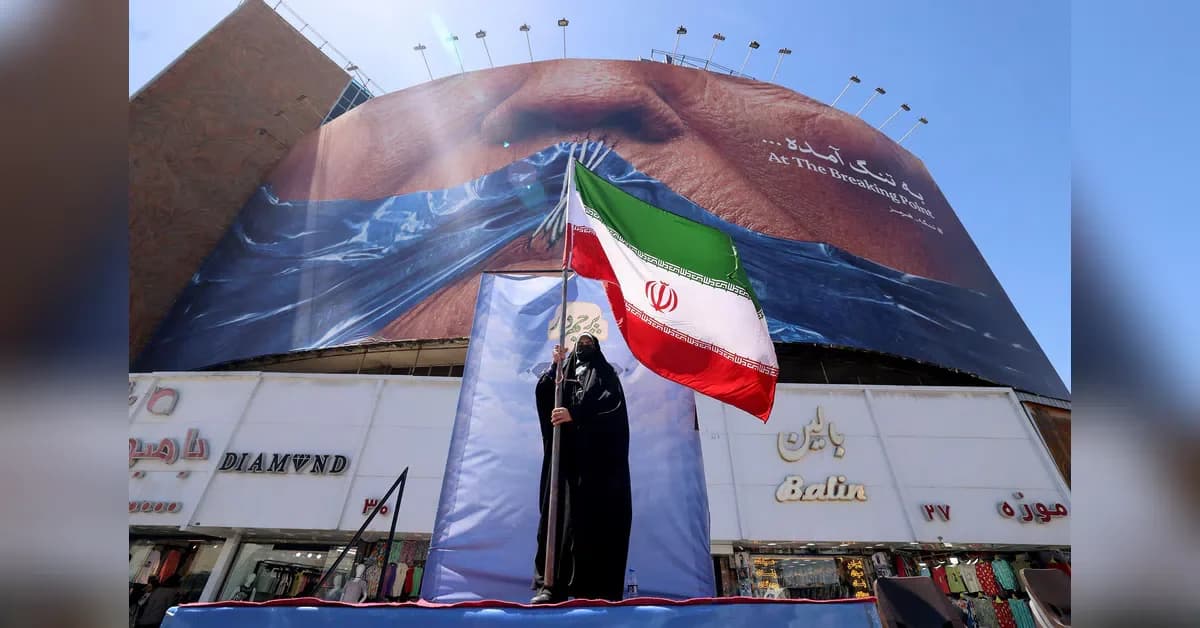
The White House has formally requested $87.6 billion in supplemental spending, representing a significant increase from the Pentagon's earlier $80 billion request. According to reports from Business Standard, the Office of Management and Budget sent the request to Congress on Wednesday, arriving just hours after President Trump engaged in a shouting match with Republican senators over their votes to approve a war powers resolution. The updated request includes $67 billion specifically for the Department of Defence, covering urgent needs related to the war against Iran including funding for military personnel, readiness expenses, and operational costs to rebuild stocks. The supplemental spending request also encompasses aid to American farmers, assistance for the Ebola crisis in Africa, and restoration projects in Washington, D.C.
The funding request faces significant political headwinds as lawmakers express skepticism about the war and its costs. Senate Majority Leader John Thune indicated he's expecting a supplemental spending request from the administration and noted that when it arrives, "we'll work through it and see where the votes are." OMB Director Russ Vought urged Congress in a letter to House Speaker Mike Johnson to "take action on these important and urgent requests as soon as possible." Democratic Senator Patty Murray criticized the spending during a hearing last month, stating "You're spending families' hard-earned tax dollars on a war that many strongly oppose." The funding package is expected to encounter resistance from lawmakers who oppose Trump's decision to go to war and are reluctant to provide additional military funding amid high living costs for American families.
The Iran funding request is part of a much larger defence spending proposal by President Trump. According to reports, the White House has requested a remarkable $1.5 trillion for the Pentagon, representing a nearly 50% increase over current fiscal year funding levels. Republicans hope to secure approximately $1.1 trillion through the regular appropriations process, which typically requires bipartisan support, and an additional $350 billion through a mostly party-line vote later this summer. The total amount being sought by the Pentagon is far higher than the $29 billion estimate Hegseth provided Congress during his testimony last month, which included costs for replacing munitions, repairing equipment, and operational expenses. Sources told Fox News that President Trump is expected to meet with major defence contractors on Wednesday to urge them to accelerate production of missile systems and replenish depleted U.S. stockpiles, with contractors indicating they cannot begin production without Congress appropriating additional funds.
Despite ongoing military operations, recent diplomatic developments show potential for de-escalation. Vice President JD Vance announced that U.S. negotiators accomplished every major objective they brought to talks with Iran in Switzerland, with Iran agreeing to allow International Atomic Energy Agency (IAEA) inspectors back into the country - a major milestone for American interests. The negotiations produced a 60-day roadmap toward a broader agreement and established mechanisms addressing the Strait of Hormuz and the conflict in Lebanon. Vance described the ceasefire effort as a work in progress but said U.S. negotiators have put a framework in place designed to reduce the risk of a wider regional war. The framework includes a "de-confliction cell" to help enforce the U.S.-Iran ceasefire agreement across all fronts, including Lebanon, with oil and gas shipments through the Strait of Hormuz already increasing. Additionally, Iranian officials have agreed to invite IAEA inspectors back into the country, a key demand as the administration seeks to ensure Tehran cannot develop a nuclear weapon.
The diplomatic framework includes significant economic components that could benefit both American farmers and Iranian people. Vance said that potentially unfrozen Iranian funds for tightly controlled purchases, including American agricultural products, would only happen if Tehran continues making progress in negotiations. "If there is any frozen Iranian assets that are unfrozen, then we have approval over that process, the Qataris have approval over that process," Vance explained. "The money would actually go to buy American soy, American corn and American wheat for the benefit of the Iranian people." This arrangement, developed with Qatari officials, would require approval from both the United States and Qatar before any unfrozen funds could be spent on American agricultural products. The vice president acknowledged that major issues remain unresolved, including nuclear and economic matters, but said the administration is confident the talks have moved the process in the right direction, with Vance describing it as "a classic Trump deal."