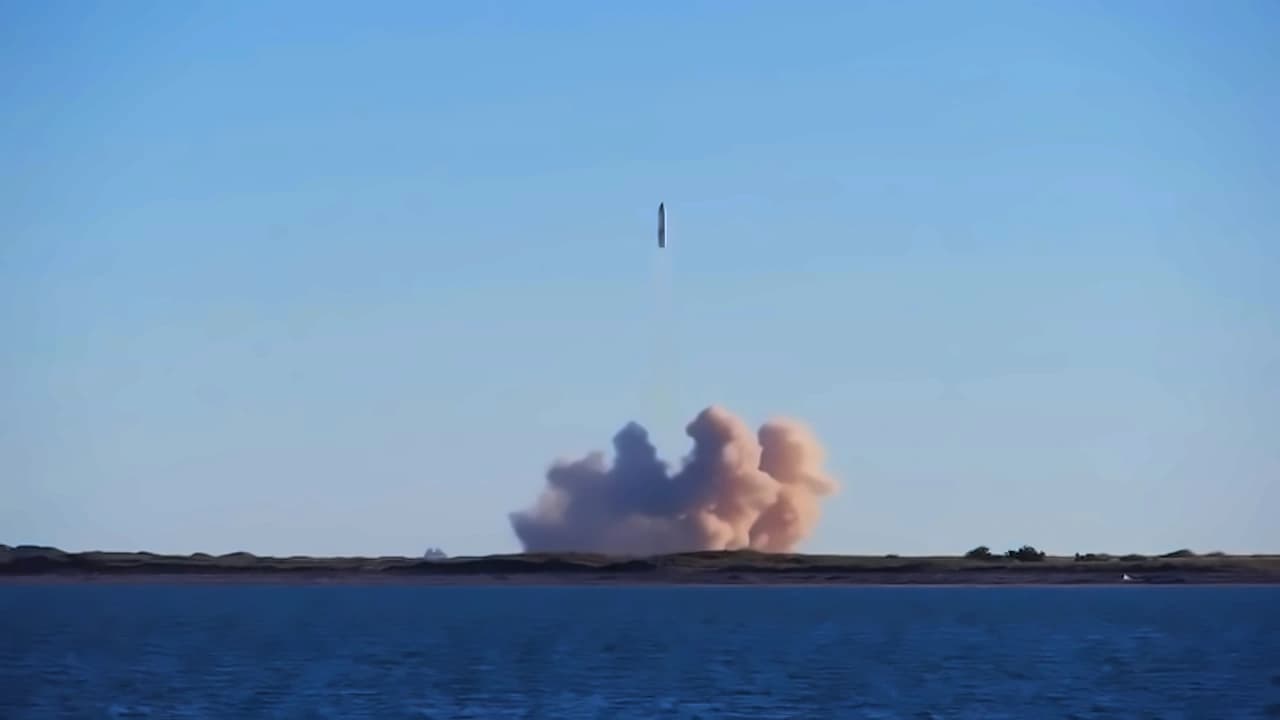
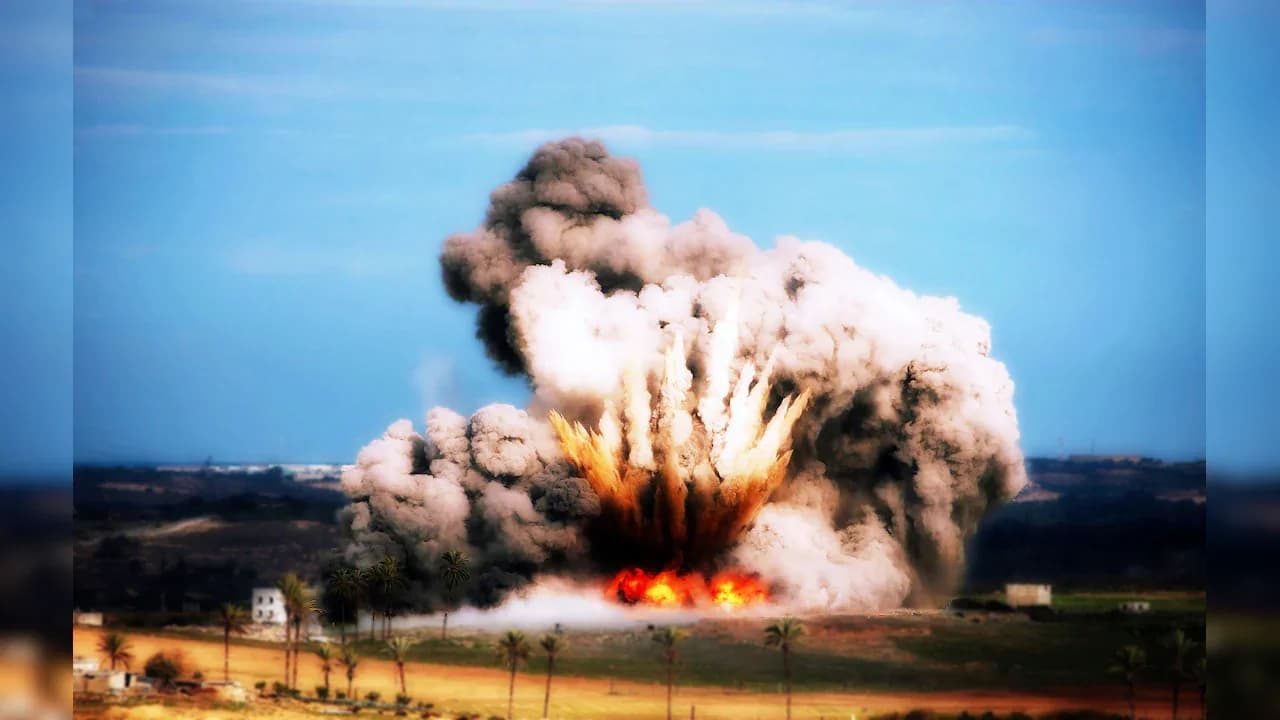
The Trump administration has deployed dozens of additional aerial refueling aircraft to Israel as it prepares for the possibility of a broader military confrontation with Iran, according to Axios reports. President Donald Trump recently reviewed new military options during a Situation Room meeting, including plans for expanded strikes on Iranian infrastructure, nuclear facilities and the underground Pickaxe Mountain site. As reported by Axios, citing US and Israeli officials, Trump has not made a final decision as of now, but US and Israeli officials believe he is inclined to escalate military operations. This development comes as the US military campaign against Iran has now entered its ninth consecutive night of American attacks, marking an unprecedented escalation in the military campaign. According to Axios, the proposed deployment comes after Trump reviewed multiple military options earlier this week, with US and Israeli officials suggesting such an escalation could be ordered within the coming days.
The US military launched fresh strikes targeting Iran's Revolutionary Guard after announcing the death of another American service member, bringing the total casualties to 17 US service members killed since the war began. The latest strike was targeted in Iraq on Saturday during the 'controlled detonation' of a downed Iranian drone, according to the US military's Central Command. The strikes were designed to further degrade Iran's ability to restrict the traffic of oil tankers through the Strait of Hormuz, US Central Command said. An area near Sirik, on the Strait of Hormuz, was targeted around 1:30 am local time, according to Iran's state-run IRNA news agency, which cited local authorities in southern Hormozgan province. The new strikes came after the U.S. military announced its first troop deaths from direct Iranian fire since the opening days of the war, following a drone and missile attack on a base in Jordan on Friday. Since the war began, 16 US service members have been killed and over 430 wounded, with the previous recorded death being a helicopter pilot who crashed in the Arabian Sea earlier this month. Monday's strikes marked the ninth consecutive night of US bombing since a ceasefire collapsed in early July, reigniting hostilities that had briefly eased following a memorandum of understanding signed in June aimed at ending the war.
The latest strikes have intensified attacks on Iran's critical infrastructure, with Iran's Energy Ministry issuing a call for people to use less power in southern provinces, citing that those areas are 'currently experiencing extreme heat and attacks on power infrastructure'. The ministry's emergency appeal highlights the immediate impact of ongoing infrastructure damage on Iran's power supply capabilities. Iranian state television reported that the attacks hit bridges overnight into Friday in Iran's southern Hormozgan province, killing at least seven people in Bandar Khamir alone. The highway and railway bridge strikes appeared aimed at cutting off Bandar Abbas, Iran's main port, from roads leading into the Islamic Republic's central region onward to Tehran, the capital. The Strait of Hormuz, through which about a fifth of all oil and natural gas traded once passed in peacetime, has become a central focus as Iran effectively closed the strait to shipping traffic when the U.S. and Israel launched the war on February 28. Week-to-week cargo shipments through the strait dropped by almost a quarter at the beginning of the month, with many oil shippers transiting the strait with their location devices turned off. As the strikes began, a ship caught fire early Monday in the Strait of Hormuz near the coastline of Oman, according to the British military, though the cause remains unclear.
The conflict has expanded beyond Iran's borders, with Iran launching new missile attacks against U.S.-allied nations including Qatar and Kuwait. In Kuwait, authorities said Iran attacked a water and oil desalination plant, causing widespread damage to the station, with about 90% of drinking water coming from desalination and any disruption threatening life. Kuwait said one of its power and water desalination plants was attacked for the second time in two days, causing fires, according to the Kuwait Ministry of Electricity, Water and Renewable Energy. The strikes injured several people at the oil facility and caused a fire at the desalination plant, forcing several power generation units offline. Jordan's military said it shot down several Iranian missiles, with the missiles not causing casualties or damage, according to Jordan's military. Israel warned that missiles launched toward the Jordanian port city of Aqaba could spill over into Israeli territory for the first time in weeks, with Eilat citing security officials as saying two interceptors were launched to prevent debris fall. Bahrain, Jordan and Kuwait again activated air defenses for incoming Iranian drones and missiles, with the US Embassy in Bahrain issuing a warning about potential targets in central Manama. The U.S. also reimposed a naval blockade on Iranian ports to halt its shipments of crude oil, with the growing amount of regional energy being shipped through pipelines but not nearly enough to offset the decline in strait shipping.
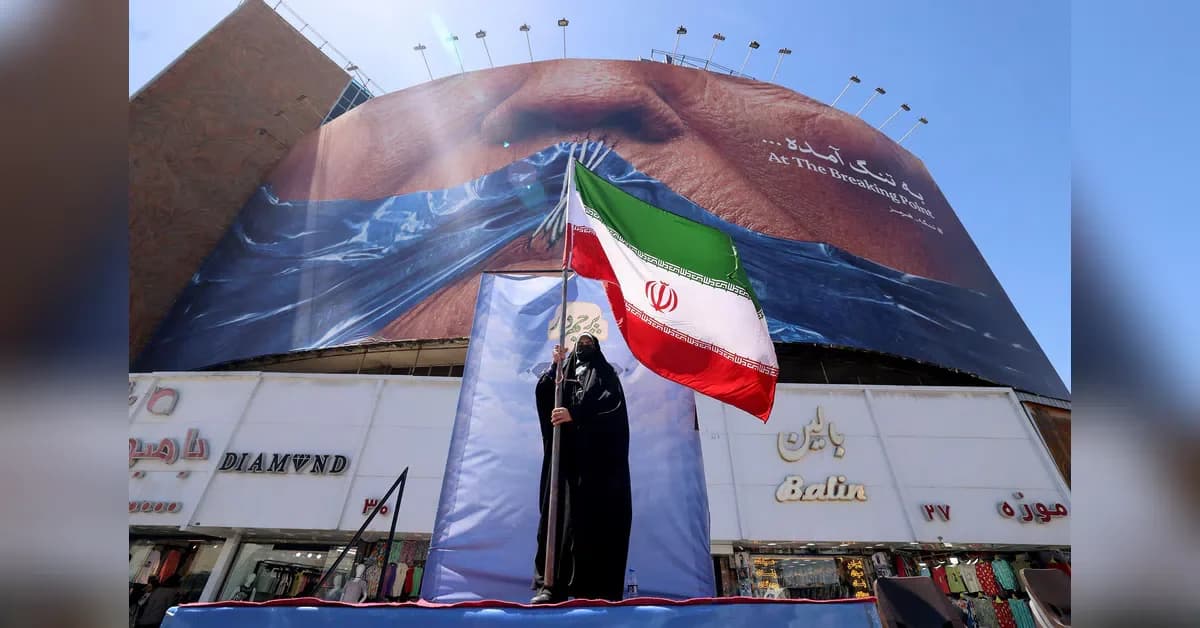
Iran has responded to the escalating tensions with significant diplomatic and military actions. Iran's atomic energy agency said US strikes targeted the construction site of a planned nuclear power plant in the southwest, according to state television, though satellite images from Planet Labs PBC showed earth clearing but little construction as of July 9. The International Atomic Energy Agency said the site, in the 'very early stages of construction,' contained no nuclear material when the UN watchdog last visited. Iran's supreme leader warned of 'unforgettable lessons' if the US keeps attacking the Islamic Republic, with remarks read out on state TV and attributed to Mojtaba Khamenei, who has remained unseen since the war began. An Iranian negotiator said Tehran was suspending its commitments to the interim deal signed about a month ago and aimed at permanently ending the fighting. Kazem Gharibabadi, Iran's deputy foreign minister, told state TV that Iran is 'no longer implementing them' after the US violated its commitments under the deal. The U.S. issued a global travel alert over the rising tensions as the battle has focused on control of the Strait of Hormuz, with the widening strikes now threatening civilians and infrastructure across the Middle East. Press TV claimed that the Islamic Revolution Guard Corps (IRGC) conducted a surprise retaliatory strike on the US special operations command center in the Al-Tanf region of Syria, with the IRGC emphasizing such strikes are legitimate responses to American regime crimes.