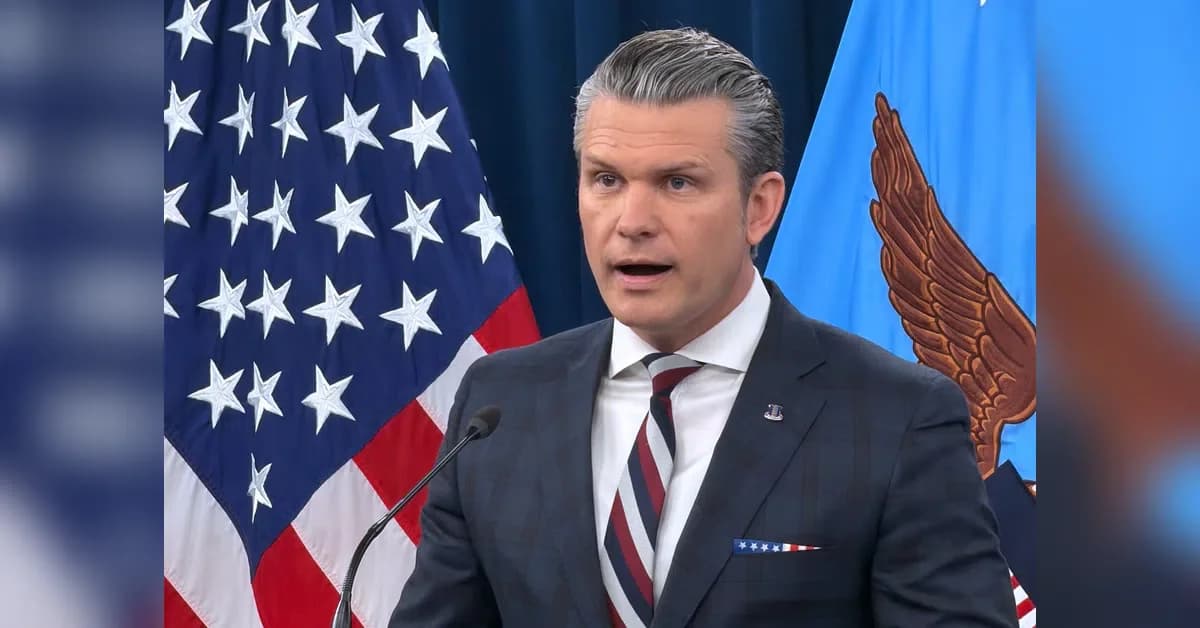
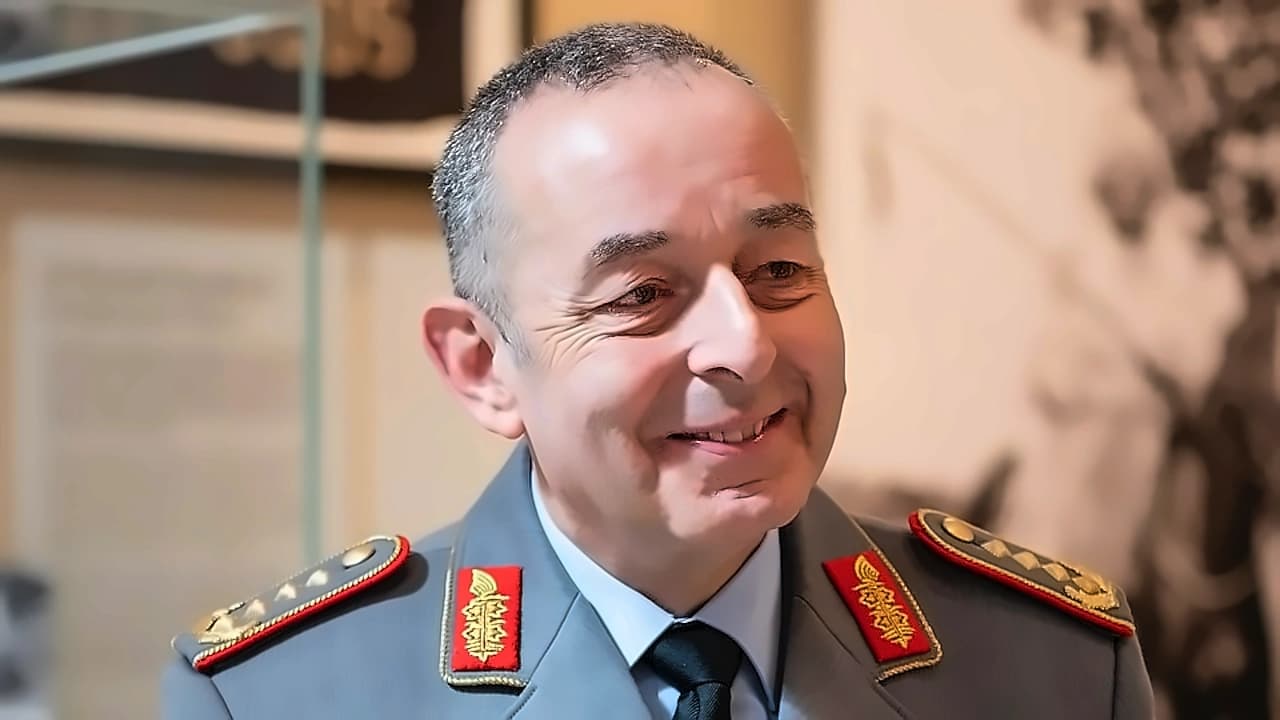
US Defence Secretary Pete Hegseth announced Thursday that the Pentagon will conduct a comprehensive six-month review of US forces in NATO-ally countries as part of the 'NATO 3.0' reboot of the 77-year-old defense alliance. Speaking after attending a meeting of NATO defense ministers in Brussels, Hegseth explained that this review is designed to ensure 'NATO is moving fast and irreversibly toward Europe leading, stepping up to take primary responsibility for the defense of Europe'. The initiative represents a post-Cold War recognition that NATO needs to return to a real hard-line military alliance with real military capabilities capable of deterring threats on the European continent. Hegseth emphasized that this review will be conducted 'with Congress, our allies and General [Alexus] Grynkewich, Commander of European Command, and our policy shop,' beginning immediately upon his return to Washington.
As part of the NATO 3.0 vision, Hegseth announced that the United States would be investing $1.5 trillion in its own defense in 2027. As reported by UPI, this substantial investment is designed to send a message to the world that America is building an arsenal of freedom. Hegseth clarified that this arsenal first and foremost protects America and American interests but also backstops the strength of NATO and our allies. He told US allies they 'have to be willing to stand up and do something in a strong way' about the defense of their own continent, emphasizing that 'It's not a one-way street' and that 'NATO dues are contingent on other countries stepping up'. The Trump administration insists that it needs to be able to plan for two simultaneous conflicts and wants more military resources at hand should a conflict break out with China in the Indo-Pacific region.
Hegseth strongly criticized European allies' 'shameful' refusal to permit access to bases, and airspace in some cases, for offensive operations during the five-and-a-half-week-long military offensive against Iran earlier this year. According to UPI, he stated that 'These allies, they put America's sons and daughters, our sons and daughters, at risk by denying them the predictable access, basing and overflight that never should have been in question at all.' The Defense Secretary emphasized that 'If we're honest in public, honest in private about it, we need to be able to ensure we have access basing and overflight when it matters, in the middle of a contingency.' NATO's supreme allied commander, an American, is working on backup plans to defend Europe after this US announcement, while European allies and Canada are currently trying to work out how to plug the gaps left by the US military asset reduction.
The United States has signaled on June 3 that it would no longer supply an aircraft carrier and support ships, aerial refueling planes and dozens of fighter jets in a crisis. According to UPI, Hegseth confirmed that 'We were clear publicly and privately, we're not going to allow free-loading anymore, excuses don't count anymore.' The withdrawal would include a reduction of F-16 and F-15E fighter jets, P-8 Poseidon reconnaissance aircraft and warships it provides for NATO operations, according to The Hill. This raised additional concerns among European leaders over air mobility and intelligence, surveillance and reconnaissance (ISR) capabilities. However, America's European nuclear arsenal remains unchanged, with Hegseth having no plans of withdrawing America's nuclear weapons, which are key to NATO's deterrence. The US scaling back represents a significant shift in NATO's operational framework, with Hegseth noting that 'There are still few outliers and we will be clear with them and as we do this review we will change how we view the continent as a result.'
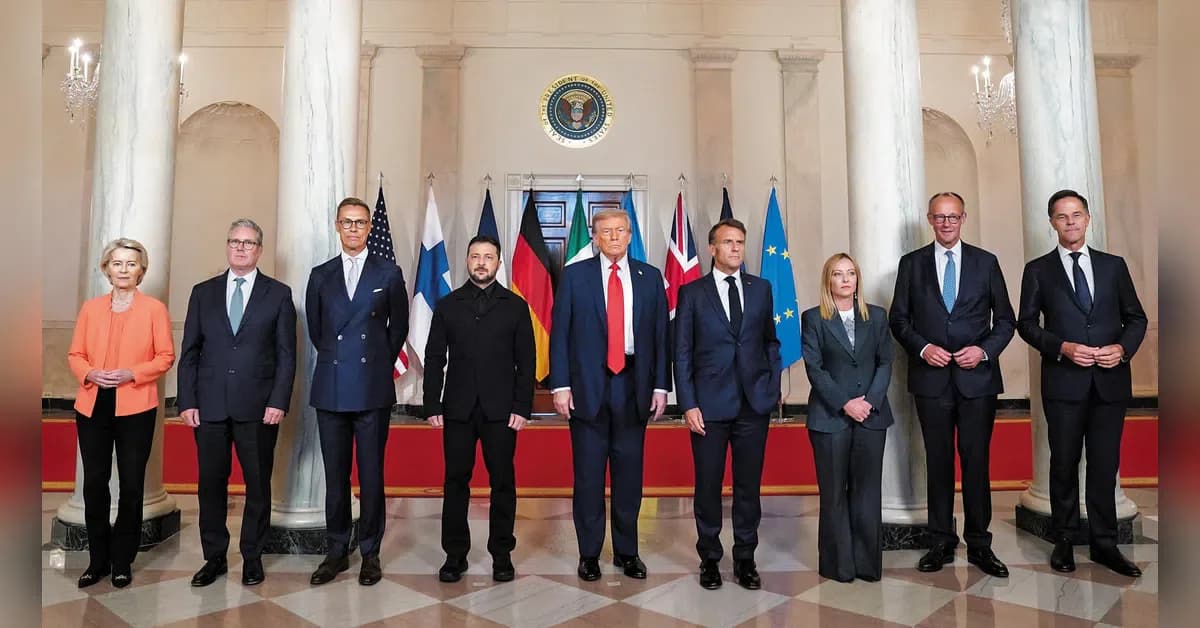
The NATO Force Model lists the forces that allies could activate during a war or other major crisis, with the Trump administration's announcement following a series of recent US military decisions in Europe. In early May, the White House announced it would pull 5,000 service members from Germany, followed weeks later by another announcement that it would remove 4,000 troops from Poland. NATO Secretary-General Mark Rutte characterized this shift as a logical progression intended to diminish the alliance's significant reliance on US military power. According to The Associated Press, Rutte said 'We know that adjustments will take place, the U.S. has to pivot toward, for example, Asia. This will take place over time, in a structured way.' However, Rutte downplayed the impact of the US decision, stating that 'If war breaks out, we will all max out what we need to do to make sure we can fight the war.' The Pentagon has pulled thousands of troops from Germany and Poland, while quietly cutting the warships, refueling planes and surveillance aircraft it had pledged to NATO in a crisis. European and Canadian leaders have launched efforts to boost defense spending and expand their armed forces, with NATO spending $90 billion more on defense in 2025 than in 2024, a 20% increase.