The United States is planning a significant reduction in military assets allocated to NATO operations in Europe, according to a report by The New York Times. The plan, sent to allies in early June 2026 in a written document, would limit NATO's ability to conduct long-range strikes, surveillance missions and rapid-response operations. The proposed cuts include reducing fighter aircraft earmarked for NATO missions from 150 to 100, affecting both F-16 and F-15E fighter jets that currently form a key component of NATO's air power. Additionally, the US plans to cut maritime reconnaissance aircraft from 26 to 15 and withdraw all eight aerial refuelling tanker aircraft previously assigned to support NATO missions in Europe.
Eastern European NATO allies closest to Russia are moving fastest to strengthen defense capabilities, while Western Europe faces growing pressure to meet the alliance's 2035 spending targets. Retired Rear Adm. Mark Montgomery, senior director at the Foundation for Defense of Democracies, told Fox News Digital that "Europe is clearly stepping up, but they're stepping up by geographic variation. If you ask me who's doing the most, the Eastern Europeans are clearly." The Baltic states, Poland, Romania and Bulgaria are leading the charge, with the Baltic states racing toward defense expenditures approaching 5% of GDP. Romania has raised defense spending to 2% of GDP during Trump's previous term and plans to allocate an average of 3.4% next year through military procurement and strategic infrastructure investments, according to Fox News Digital.
US President Donald Trump has ordered the withdrawal of 5,000 US troops from Germany and cancelled the deployment of a battalion equipped with long-range Tomahawk and hypersonic missiles, according to reports from Business Standard. This development follows Trump's response to declarations from German Chancellor Friedrich Mertz and represents the latest episode in ongoing transatlantic disagreements. The Trump administration's US National Security Strategy of November 2025 (NSS 25) expresses fears about potential 'civilisational erasure' of Europe and describes European political systems in negative terms, as reported by Business Standard. The Trump-II administration's goal of 'burden sharing and burden shifting' states that 'wealthy, sophisticated nations must assume primary responsibility for their regions,' clearly referring to European NATO members, according to Business Standard.
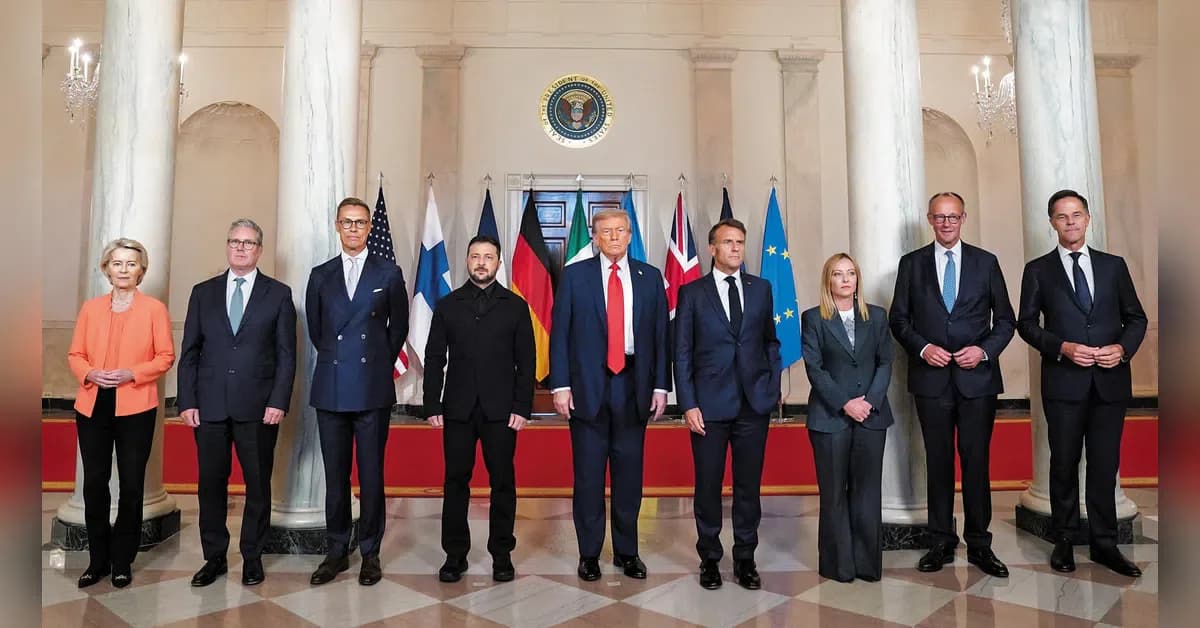
At the NATO summit of 2025, European allies decided to increase their national defense-budgets to 5% of gross domestic product by 2035, as reported by Business Standard. This commitment represents a significant shift for European members whose militaries had undergone years of budget cuts. The brutal Russian invasion of Ukraine in 2022 served as the first serious wake-up call for European defense capabilities. Among the continent's five largest economies, the UK remains the largest investor relative to GDP at 2.4%, followed by Germany (2.3%), Spain (2.1%), France (2%), and Italy (1.9%), according to the Stockholm International Peace Research Institute (Sipri), as reported by Fox News Digital. The Trump-II administration's goal of 'burden sharing and burden shifting' states that 'wealthy, sophisticated nations must assume primary responsibility for their regions,' clearly referring to European NATO members, according to Business Standard.
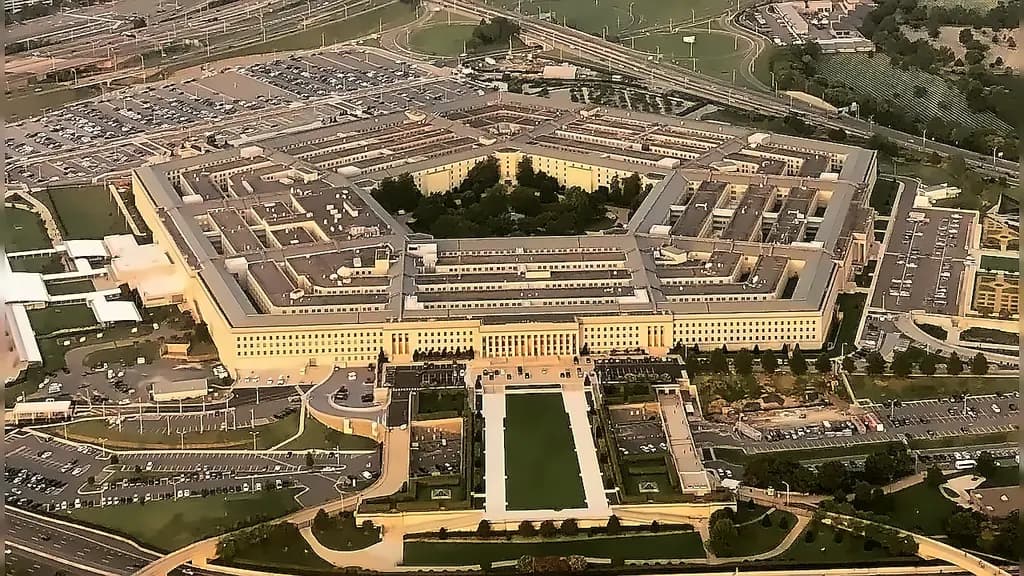
The proposed military drawdown would significantly reduce NATO's ability to conduct sustained surveillance and long-range strike operations, particularly during a major regional crisis. As reported by The New York Times, Giuseppe Spatafora of the European Union Institute for Security Studies noted that "while each of these cuts can be managed individually, together they represent a significant posture change and pose challenges to European deterrence readiness across the spectrum." The changes form part of a broader reassessment of US military commitments to Europe, with the Pentagon not revealing a timeline for the drawdown. The move aligns with the Trump administration's position that European NATO members have relied excessively on US military protection while underinvesting in their own defense capabilities, as reported by Business Standard.
The EU and its member states have traditionally outsourced defense of their territories to NATO, but the Ukraine war made the EU aware of its geopolitical role for the first time, as reported by Business Standard. The EU has concluded 12 Security and Defence Partnerships with different countries since 2024, including recent agreements with India. The EU treaties provide for a 'Mutual Defence Clause' (Article 42.7 of the Treaty on European Union), which obligates member-states to provide aid and assistance to any victim of armed aggression, according to Business Standard. However, defense remains outside EU treaties, and discussions have been held to operationalize this clause following recent geopolitical events. Looking ahead, Montgomery remains optimistic about NATO's future, predicting that "I think you'll have a U.S. president that probably doesn't provoke the Europeans as much. You'll have Europe that's investing more." He noted that many eastern allies are rapidly purchasing equipment already available on the market rather than waiting years for domestic defense programs to mature, as reported by Fox News Digital.