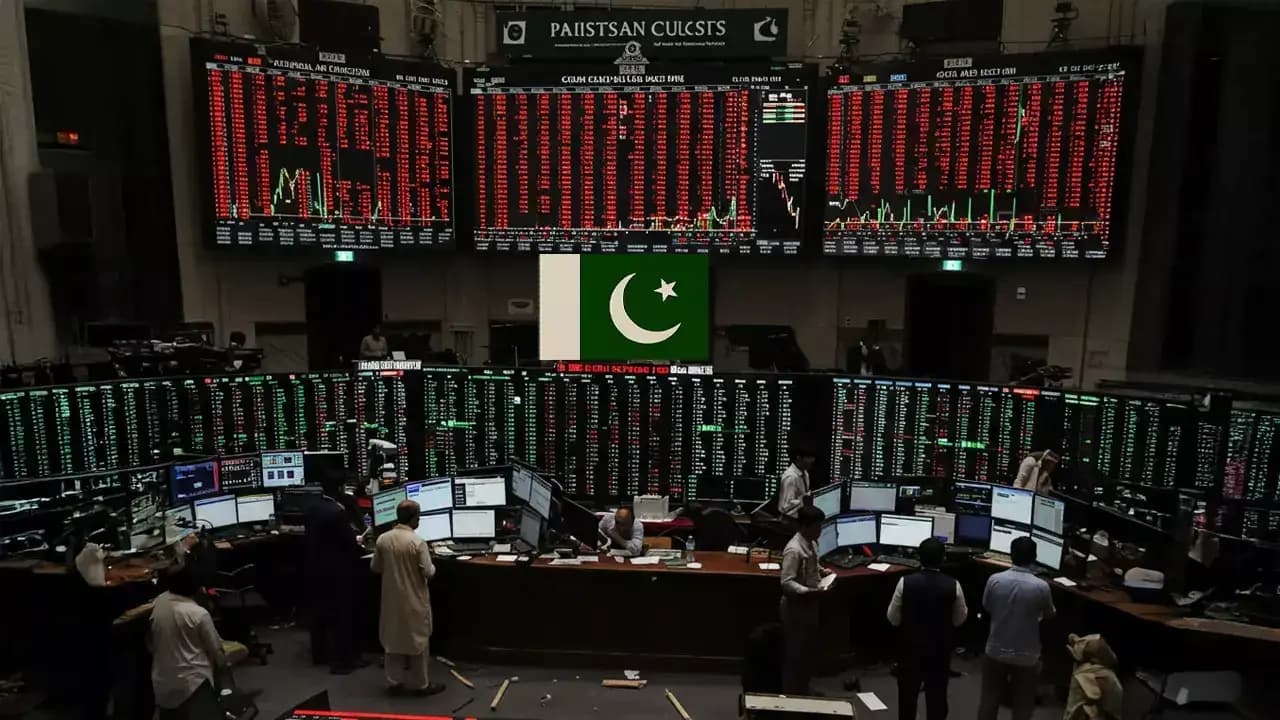
Pakistan's stock markets extended gains for a second consecutive session on Wednesday, with the KSE-100 index surging as much as 5,000 points amid hopes of fresh talks between the US and Iran. According to The Economic Times, this follows a sharp rebound on Tuesday after the KSE-100 had plunged over 6,600 points as US-Iran peace talks collapsed without reaching a deal. The latest surge represents a significant recovery from the dramatic decline that came after intense volatility, including a nearly 4,000-point surge on Monday amid renewed optimism over possible fresh US-Iran peace talks. The recovery demonstrates how quickly market sentiment can shift based on diplomatic developments.
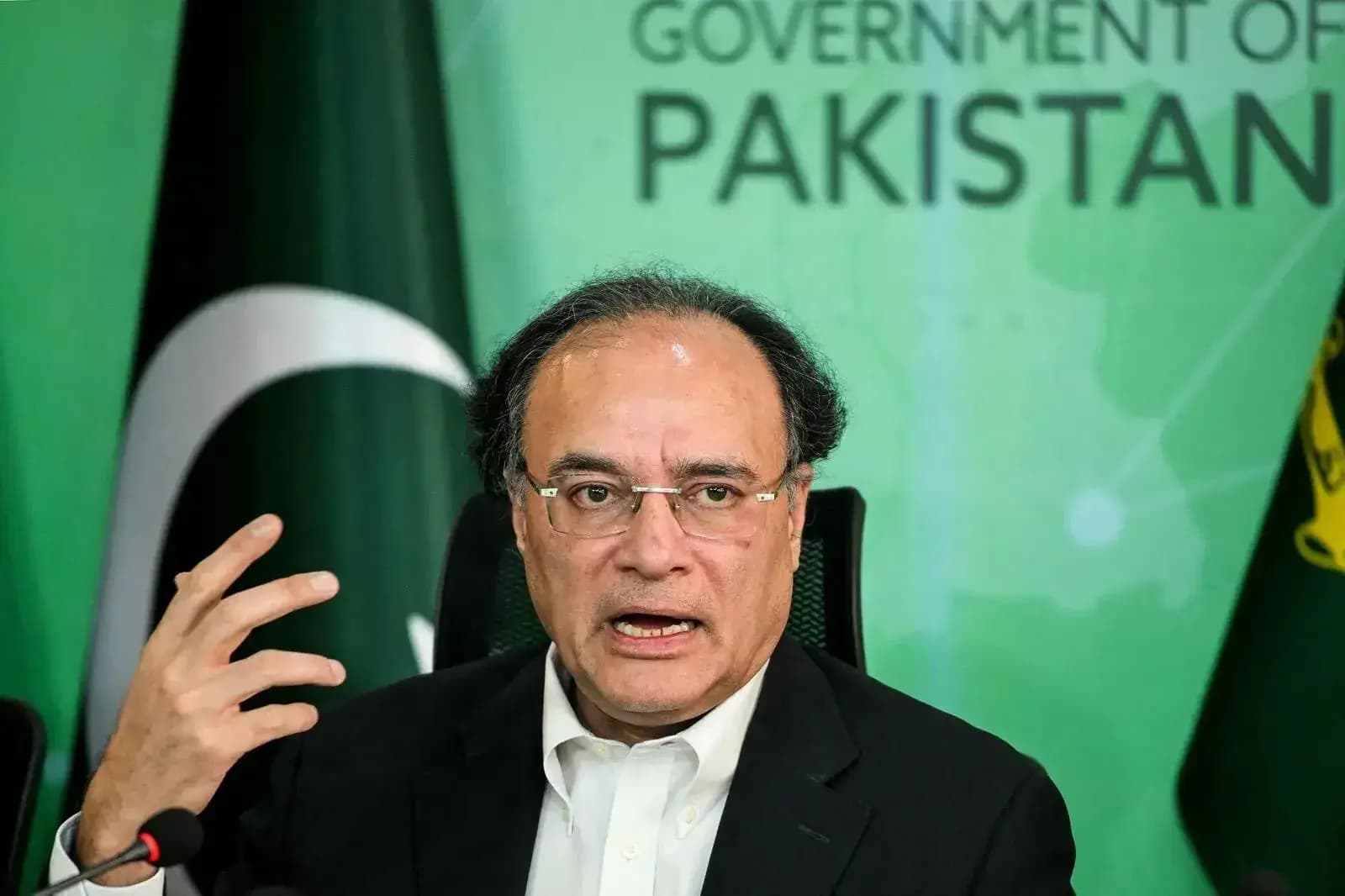
US President Donald Trump announced on Tuesday that talks to end the conflict involving the US, Israel, and Iran could resume in Pakistan within the next two days. As reported by The Economic Times, Trump said his administration had received a call from Iran expressing willingness to negotiate, stating "They'd like to make a deal very badly." However, Trump reiterated that Iran's nuclear programme remains the key sticking point and asserted that Iran will not be allowed to acquire nuclear weapons. The prospect of renewed dialogue has raised hopes of a resolution that could restore crude and fuel flows, with oil prices declining for a second straight day on Wednesday as expectations grew that the US and Iran could return to negotiations.
The diplomatic developments have had a significant impact on global oil markets, with oil prices declining for a second straight day on Wednesday as expectations grew that the US and Iran could return to negotiations. According to The Economic Times, the oil decline came after Trump announced the breakdown in negotiations over the weekend that led Washington to impose a blockade on Iranian ports. The escalation in geopolitical tensions had previously created uncertainty in energy markets, with Iran's military stating that "no port in Gulf, Sea of Oman will be safe" after the US blockade. The falling oil prices have created additional relief for Pakistani markets amid the broader geopolitical tensions.
Pakistan's stock markets have witnessed sharp volatility in recent sessions, as reported by The Economic Times. The KSE-100 had surged over 12,000 points on Wednesday last week—its biggest intraday gain in absolute terms—after news of a temporary ceasefire between the United States and Iran eased geopolitical tensions and boosted investor sentiment. Despite that rally, the index still ended last week down more than 1%. The volatility continued this week, with the index plunging over 6,000 points on Monday after talks collapsed over the weekend, before recovering part of those losses in Tuesday's session. The latest surge represents a significant recovery from the previous session's decline.
According to The Economic Times, Christopher Wood, global equity strategist at Jefferies, continues to view Pakistan as a high-beta opportunity linked to IMF support, even as he remains marginally positive on India over the long term. Wood noted that while Indian equities have significantly outperformed Pakistan over the decades, the latter can deliver sharp returns during phases of macro stabilisation. He explained that Pakistan's equity market tends to benefit during periods when IMF bailout programmes help restore economic stability. Citing the latest IMF programme agreed in September 2024, he pointed out that the MSCI Pakistan Index has risen 84% in US dollar terms since then, outperforming the MSCI India index by 124 percentage points in dollar returns. This demonstrates the sharp upside potential when market sentiment improves during periods of macro stabilisation.