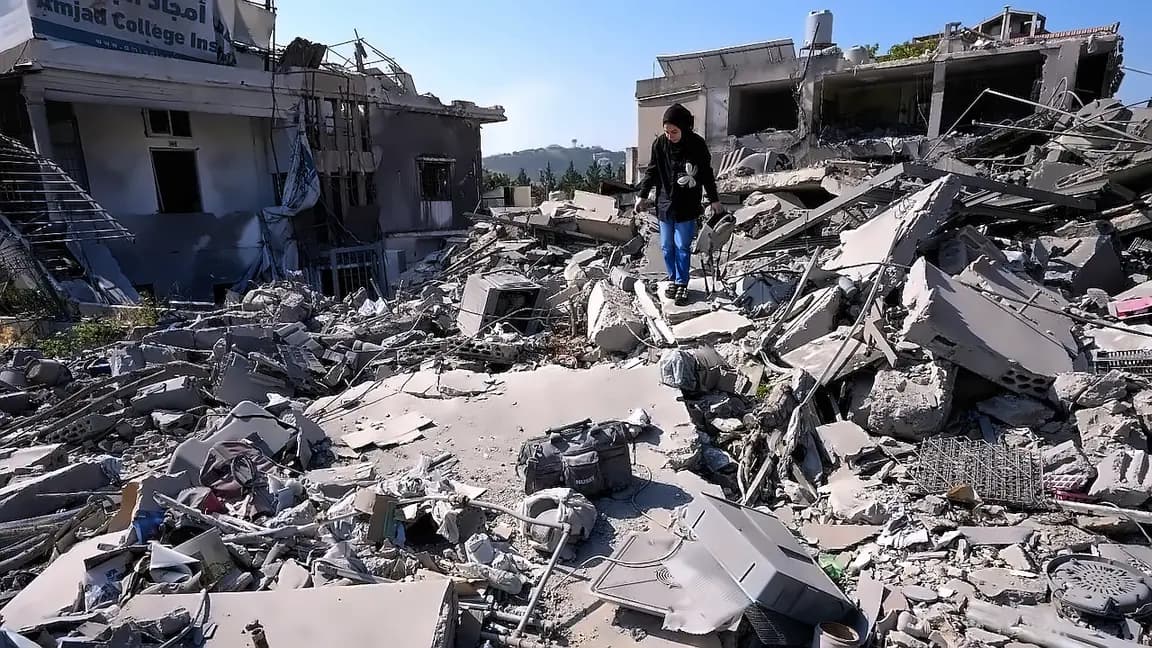
Emerging market assets rallied on Monday as global risk appetite surged following a preliminary pact between the U.S. and Iran to end their three-month conflict. The agreement, confirmed by U.S. President Donald Trump on Truth Social, will reopen the vital Strait of Hormuz, sending oil prices down nearly 5% to three-month lows. According to Reuters, the reopening of the critical artery of energy supplies is expected to ease the inflation fears that had recently forced global central banks to tilt more hawkish. MSCI's gauge tracking EM stocks gained 2.8%, while the corresponding currencies index was up 0.3%. Energy-dependent nations saw the largest gains, with Sri Lanka's 2038 bond jumping over 2 cents to trade just above 99 cents on the dollar, while Egypt's debt rose 1.8 cents. Pakistan and Kenya both gained over a cent, with Middle Eastern debt also ticking up. The Strait of Hormuz has been effectively closed since shortly after the US and Israel launched airstrikes on Iran on 28 February, with Tehran threatening to attack vessels using the crucial waterway through which around 20% of the world's oil and liquefied natural gas (LNG) normally passes.
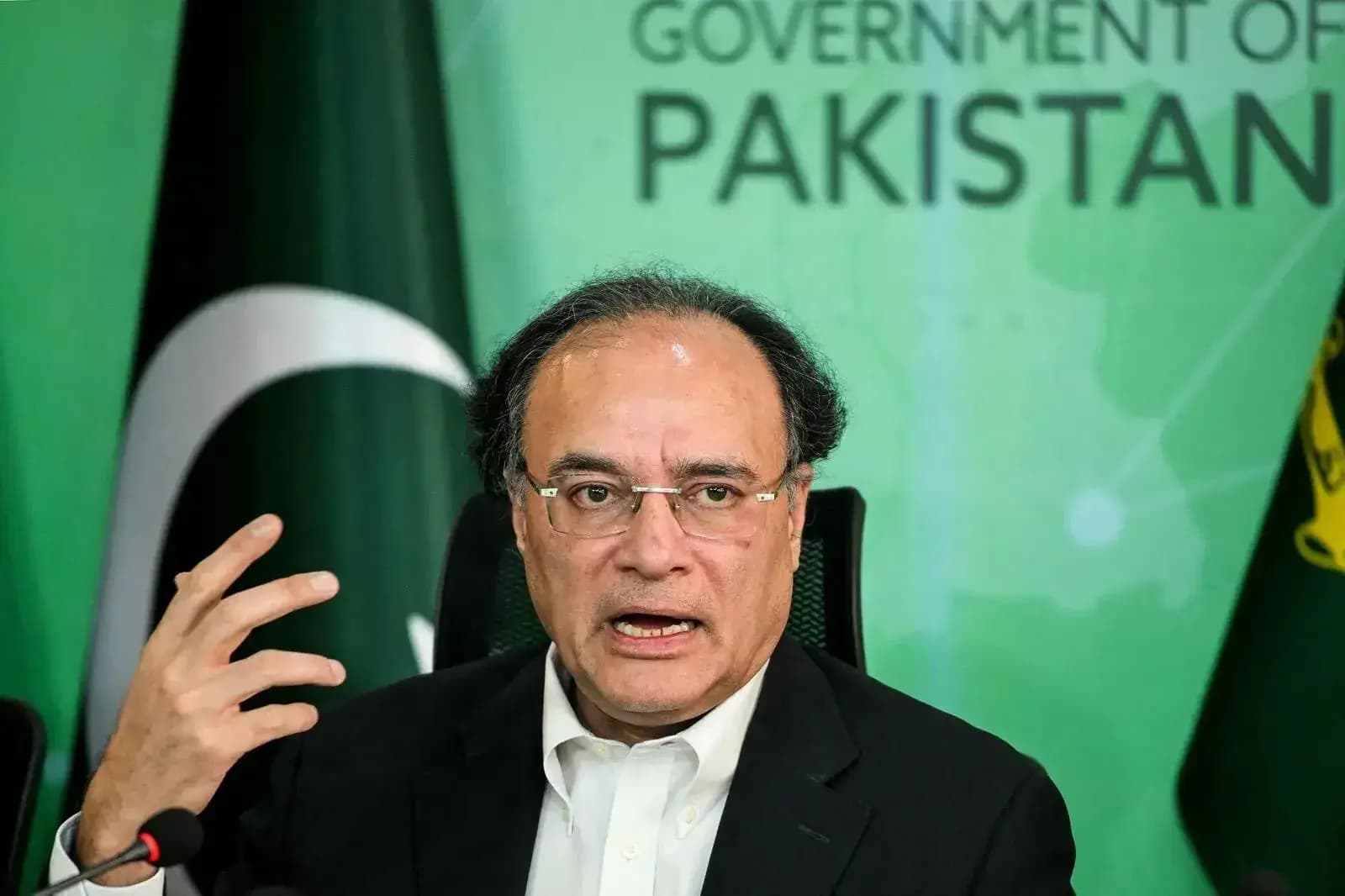
Pakistan plans to shift towards commercial borrowing to alter its creditor profile without increasing overall external debt. As reported by The Economic Times, Aurangzeb stated, "Ideally what we want to do is to see if we can replace some of the bilateral through commercial. We do not intend to increase the size of our external debt." Pakistan repaid $3.4 billion in bilateral UAE deposits last month but has also tapped the emirates' commercial banks for financing. The country plans further Panda Bond, Eurobond, U.S. dollar and first rupee-linked, dollar-settled issues, though the sizes have yet to be decided. This creditor-profile shift is part of the government's strategy to formalise the changes in fiscal year 2027.
Pakistan's FY27 budget, presented in parliament on Friday, targets growth of 4% and inflation of 8.2%. According to The Economic Times, it raised defence spending 18% to 3 trillion Pakistani rupees ($10.8 billion), while relying on higher tax revenue to keep a $7-billion IMF programme on track. The FY27 budget envisages $2.82 billion in commercial and eurobond financing, while Pakistan has approval for $1 billion equivalent in Panda bonds after a $250 million debut that was 95% backed by the ADB and AIIB. Interest has surged in Pakistan's burgeoning defence industry after last year's conflict with India, but Aurangzeb said it was too early to project any defence-export upside, with the government's immediate focus on allocations given two "active" borders as the South Asian nation is flanked by Afghanistan and India.
Pakistan has moved to formalise the digital asset sector this year, for example by signing pacts with Binance and World Liberty Financial. As reported by The Economic Times, Aurangzeb said Pakistan would regulate crypto, tokenisation and digital-asset exchanges before taxing the sector, saying revenue gains would follow once it was formalised. "Yes, at some point we have to bring it into the taxation timeframe," he added. "But this was not the time to do it."