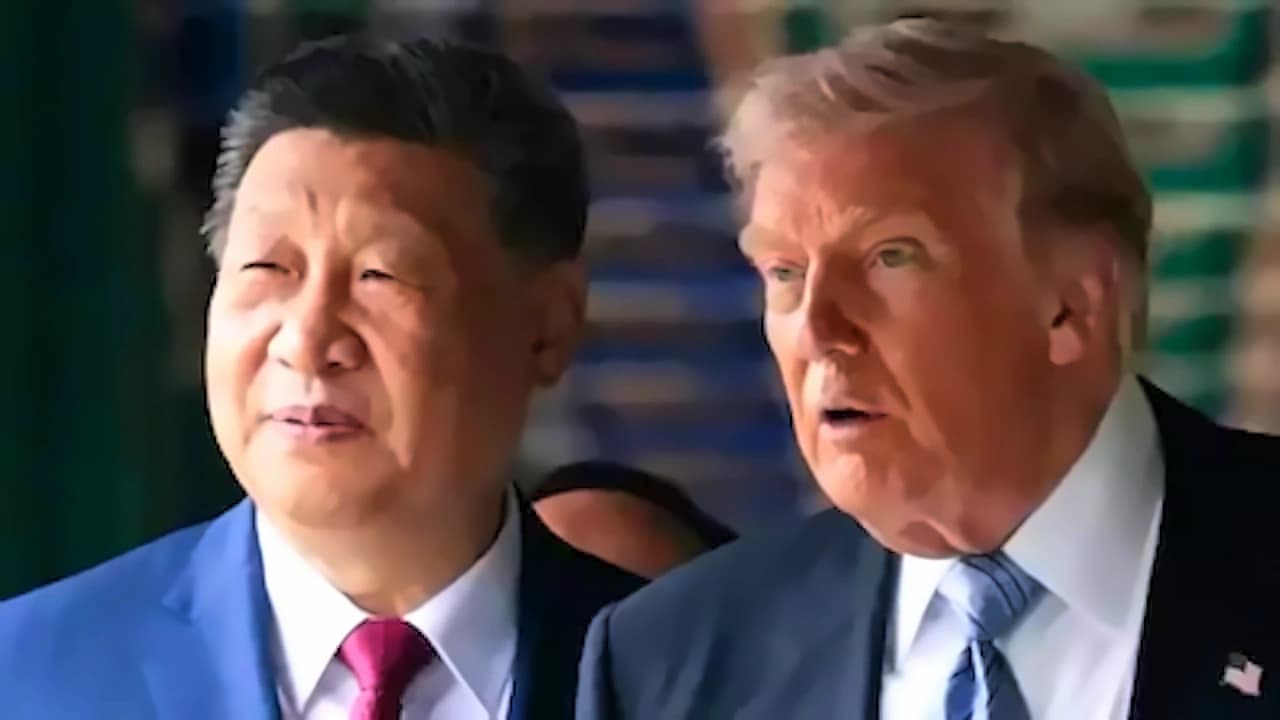
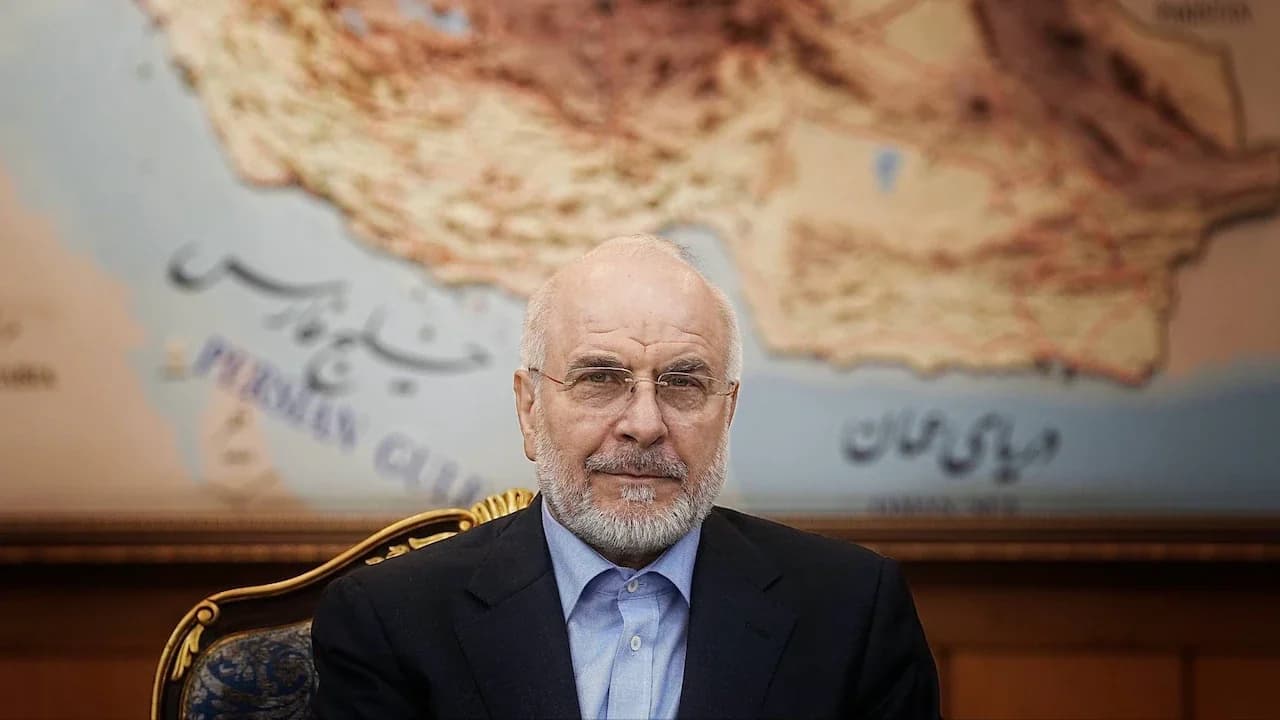
India has adopted an 'America plus' strategy to navigate President Trump's second-term coercion, seeking to sustain partnership with the United States while widening engagement with other powers. According to recent analysis, Prime Minister Narendra Modi has responded with unusual restraint to Trump's provocations, including tariffs, threats of secondary sanctions, and closer engagement with China. Despite these strains, India has continued trade negotiations, increased defense cooperation, and expanded technological and commercial ties with the US. The strategy involves sustaining the Quad regional security organization that includes Australia, Japan, and the US, while drawing closer to US allies and preserving relations with Russia. India recognizes that China and Russia will never buy Indian goods and services on the scale that the United States does, nor can Russia help India balance China, making Washington its most important partner for cultivating a great-power patron.
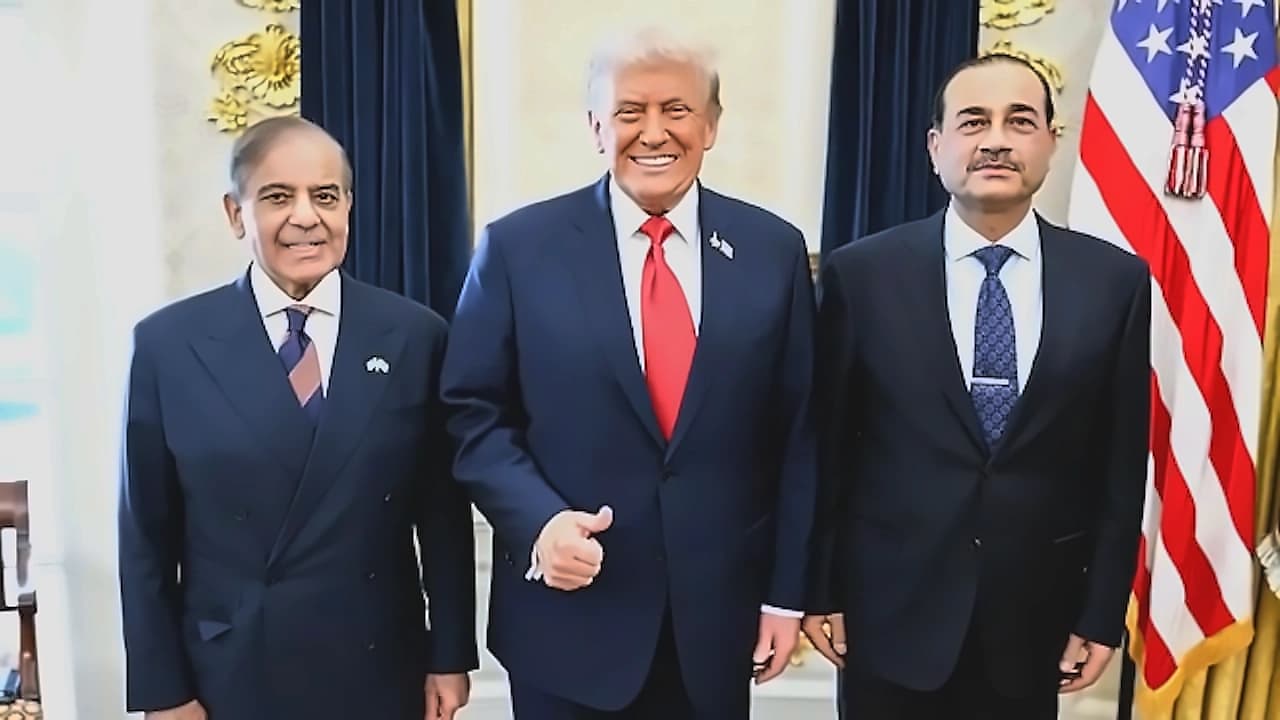
Pakistan has officially rejected Washington's unilateral sanctions on Iran, with Foreign Ministry spokesperson Tahir Andrabi stating that Islamabad does not consider itself bound by measures it deems contrary to international law. According to reports from Al-Jazeera, Andrabi made these remarks while addressing reporters in Islamabad on Thursday, emphasizing Pakistan's stance on the matter. The rejection comes as the US Treasury Secretary Scott Bessent announced Operation Economic Outcast, a comprehensive economic campaign targeting Iran's global financial networks. This position aligns with broader international concerns, as China's foreign ministry spokesperson Lin Jian stated that Beijing's cooperation with Iran is conducted within the framework of international law and should not be interfered with.
The US Treasury's Operation Economic Outcast represents a significant escalation in economic pressure against Iran, targeting nearly 60 entities, individuals and vessels tied to oil trading, military procurement, financial networks and cyber operations. As reported by Treasury Secretary Scott Bessent, the campaign expands sanctions authority to five new sectors: digital assets, technology, gold, aviation and shipping. The operation specifically targets Iran's use of cryptocurrencies, with Treasury identifying that Iranian authorities increasingly use digital assets, including for the Revolutionary Guards operations. The campaign also addresses Iran's maritime operations, warning US and non-US parties about dealing with three Iranian bodies involved in managing passage through the Persian Gulf Strait.
American progressives are increasingly challenging Trump's foreign policy approach, with recent analysis highlighting the administration's 'abuse of smaller, more vulnerable countries' as offensive and counterproductive. According to progressive commentary, this policy approach is likely to 'produce resistance to the United States in countries the Trump administration is currently victimizing' and may create 'long-lasting popular enmity' similar to the current Iran-US relationship. The analysis notes that 'Iran is an implacable enemy of the US today partly because Iranians blame America for propping up the country's former dictator, Shah Mohammad Reza Pahlavi'. Progressives argue that this represents a moment to 'champion an international order of sovereign, independent states' and resist what they view as 'vulgar neo-imperialism'.
Iranian officials have responded to the escalating sanctions with immediate warnings about potential retaliation. Mohsen Rezaei, Iran's security chief, warned that if countries around Iran join the American economic campaign, 'not a drop of oil will leave the Persian Gulf and the Strait of Hormuz.' Ebrahim Rezaei of parliament's national security committee issued what he called 'an official and operational warning' to any country cooperating with US secondary sanctions. The economic pressure is already showing significant impact, with the rial hitting a record 2,050,000 to the dollar on Tuesday, making Iran's minimum wage of about 166 million rials per month worth approximately $81. As reported by Treasury Secretary Scott Bessent, the campaign targets Iran's 47-year history of sanctions, expanding beyond traditional financial restrictions to include maritime operations and global shipping networks.
The sanctions campaign represents a fundamental shift in US policy toward Iran, with Treasury Secretary Bessent stating that 'for decades, this regime has drawn strength from a calculus that regards Iranian retaliation as certain and American enforcement as negotiable. That era is over.' The operation targets Iran's 47-year history of sanctions, expanding beyond traditional financial restrictions to include maritime operations and global shipping networks. As reported by Treasury Secretary Scott Bessent, the campaign will 'gather force with every day that follows' and presents Iran with a 'very clear choice' between complete global isolation and subsistence economy, or a path back to normalcy with opportunity to rejoin the global economy. The campaign's premise is that isolating an economy changes a government's calculations, though the measure of success will depend on Washington's willingness to enforce against targets that can retaliate effectively. Progressive analysis suggests this approach may create a 'more anarchic, law-of-the-jungle international order' that undermines US credibility and long-term strategic interests.