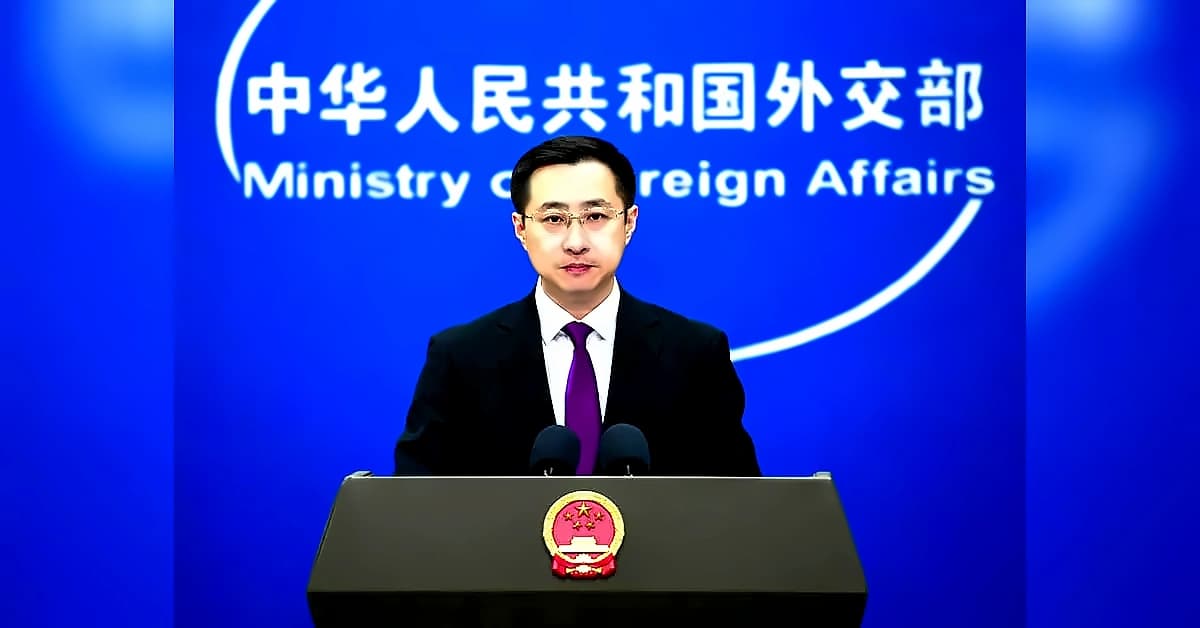
China has issued a strong warning to the United States regarding its economic and trade relations with Iran, with Beijing's rejection of US sanctions threats now being predicted by financial and trade experts. According to reports from Al Monitor, Chinese Foreign Ministry spokesperson Lin Jian made the statement during a regular briefing on Tuesday, emphasizing Beijing's firm opposition to US interference in its international partnerships. The warning comes as US Treasury Secretary Scott Bessent announced severe new sanctions on Monday, warning that any country trading with Iran would be isolated. As reported by NDTV, Jian specifically criticized what he described as 'illegal unilateral sanctions' imposed by the United States on Iran, with China's position centered on protecting its legitimate economic activities and maintaining international law compliance in its bilateral relationships.
China has now warned that it would retaliate against the US if any of its companies are included in the Trump administration's new secondary sanctions targeting Iran. According to The New York Post, companies based in Hong Kong and mainland China were among the entities targeted by the US after Treasury Secretary Scott Bessent announced 'Operation Economic Outcast' on Monday to further isolate Iran. The US, however, stopped short of listing large Chinese financial institutions, with Beijing — Iran's largest oil buyer — warning that it will do whatever it takes to protect its economic interests. Lin Jian told reporters that 'China will take all necessary measures to firmly safeguard its rights and interests', emphasizing that 'China has made clear on many occasions its firm opposition to illicit unilateral sanctions that have no basis in international law or the authorization of the UN Security Council'. When asked by reporters if Chinese banks would be hit by the new penalties, Bessent insisted that 'no one is above the reach of US sanctions'.
China's economic relationship with Iran remains substantial, with China standing as Iran's biggest trading partner and Beijing allowing its private sectors to continue business as they will, while state-owned refiners largely abide by western sanctions on Tehran's crude. As reported by NDTV, Beijing reported $9.96 billion in bilateral trade with Tehran in 2025, though this number excludes roughly $31.2 billion in unreported Iranian crude oil exports to China that year. Kpler estimates that China bought an average of 1.38 million barrels per day of Iranian oil in 2025, with independent Chinese refiners taking Iranian oil in bulk and rebranding it as Malaysian or Indonesian crude while settling through intermediaries outside the dollar system. The US Treasury imposed sanctions on a Chinese independent refinery in April for buying billions of dollars' worth of Iranian oil and warned Chinese banks of secondary sanctions if they facilitated trade of Iranian oil.
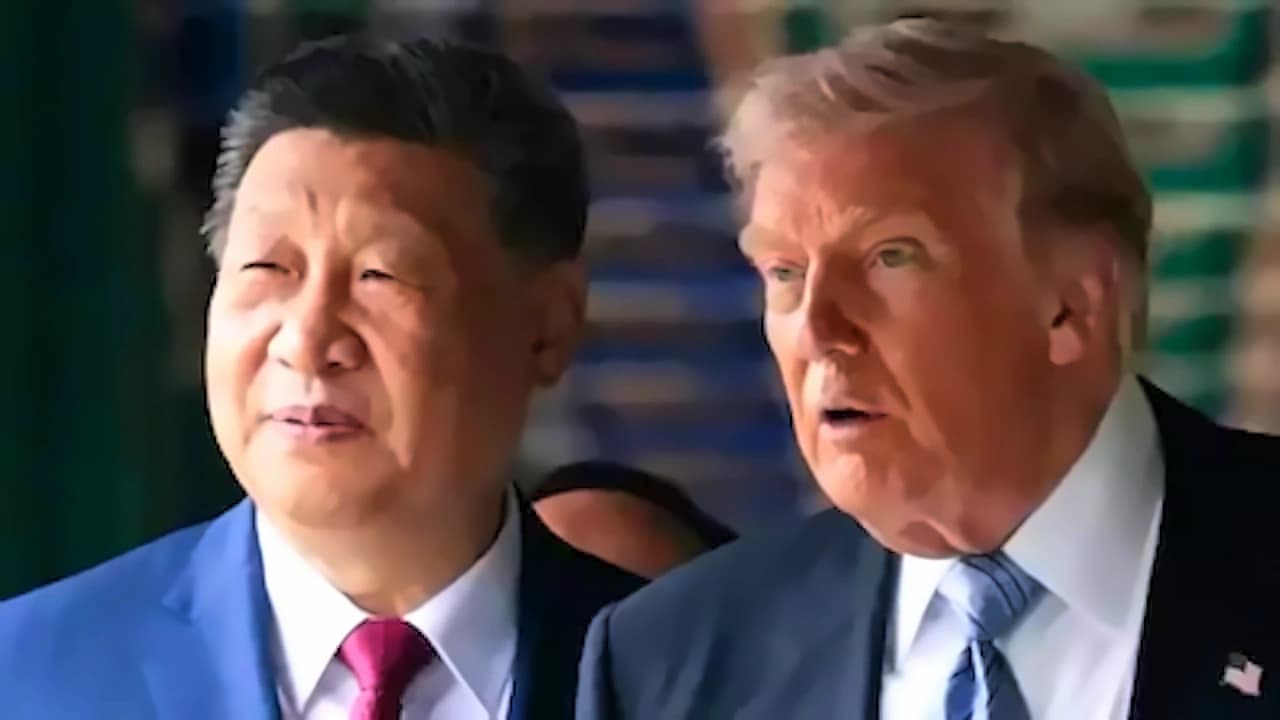
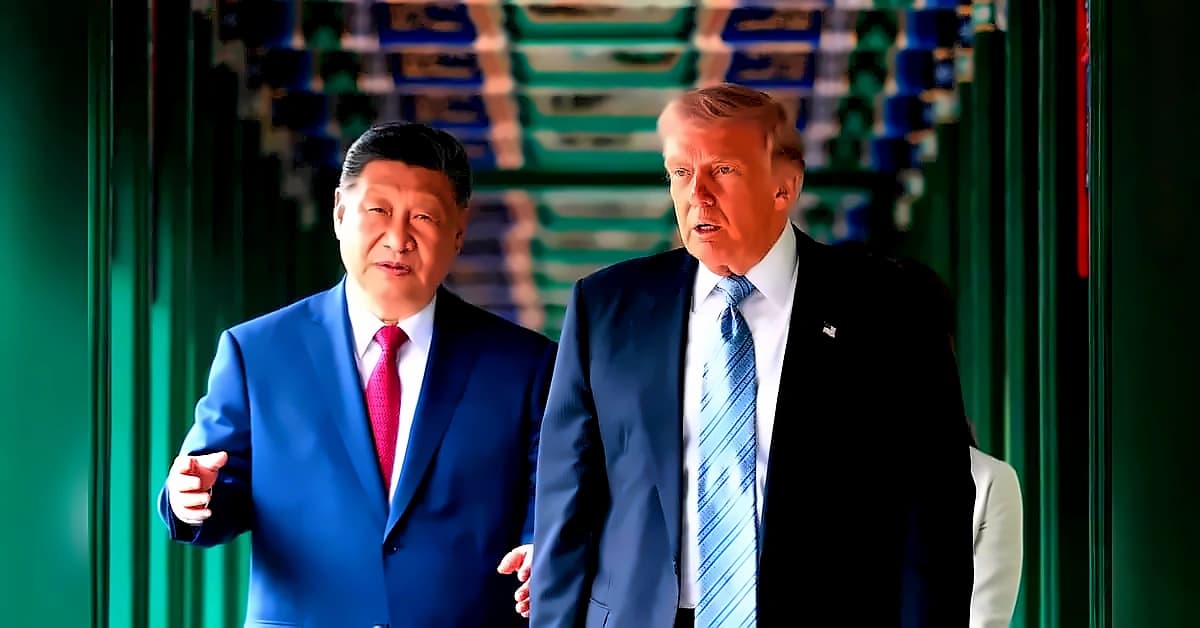
The Chinese spokesperson indicated that Beijing would take 'all necessary measures' to protect its rights and interests in the Iran relationship. According to Al Monitor, this statement suggests China's commitment to defending its economic cooperation with Iran despite potential US pressure or restrictions. Jian emphasized that 'cooperation between China and Iran has always been conducted within the framework of international law and should not be interfered with or disrupted'. As reported by NDTV, Jian urged the US and Iran to agree to a ceasefire and insisted that US sanctions will not resolve the conflict, warning that an economic war will not help resolve the Iran conflict and would only further intensify contradictions and conflicts. Financial and trade experts say the administration is well aware of the risk of Chinese retaliation before a scheduled summit next month between Donald Trump and Xi Jinping, with China potentially striking back through financial markets or limits on its export of critical minerals.
Iranian Economy Minister Ali Madanizadeh vowed to resist the widening US sanctions on Tuesday, telling state television that 'our defence is no longer so defensive; the enemies should wait for an attack'. According to multiple reports, Madanizadeh noted that neither China nor Russia had 'accepted' the secondary sanctions, predicting that other countries would resist them. The sanctions were announced ahead of Trump's expected meeting with Chinese President Xi Jinping in Washington next month, where trade tensions and access to critical minerals are expected to feature prominently. Iran-China Chamber of Commerce and Industries head Majidreza Hariri warned that America's economic war against Tehran will result in retaliatory attacks not only on military targets in the region, but also on financial institutions, writing on X that 'All of America's economic targets and its partners around the world, and especially in the region, are considered military targets of the enemy and are targetable!'