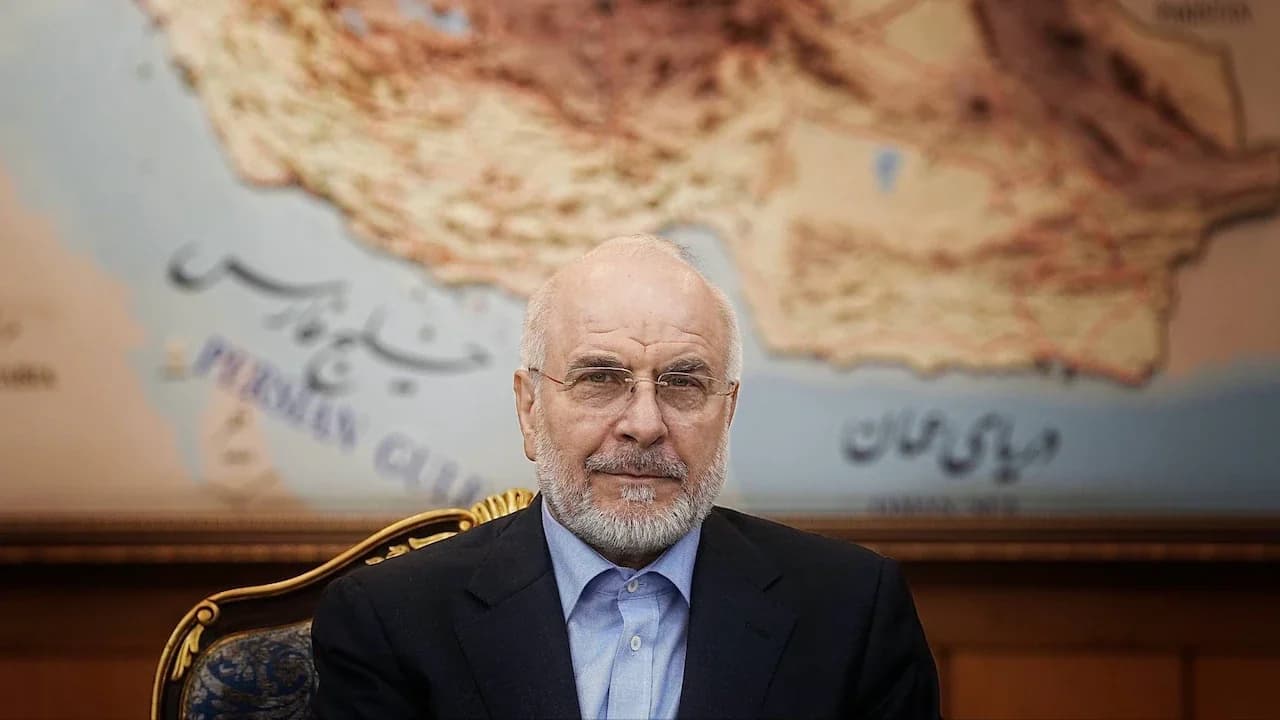
Iranian Parliament Speaker Mohammad Bagher Ghalibaf has issued a stark warning about economic warfare, stating that the United States and Israel have turned to economic warfare after failing to defeat Iran and Iraq militarily. According to reports from Iran's ISNA news agency, Ghalibaf spoke to the business community from Iran and Iraq during an official state visit to Iraq, emphasizing that both nations should develop systems to withstand sanctions and reduce their reliance on the US dollar. Following Washington's announcement of what it called the toughest sanctions on Iran, Tehran said it would pursue measures to withstand economic pressure, with Ghalibaf declaring that Iran must plan to overcome 'unjust sanctions'. As reported by Iran's Telegram messaging app, Ghalibaf warned that 'If you look at the resources and raw materials of Muslim countries, you will realize that our enemies come to plunder them,' positioning this as a strategic concern for regional economic sovereignty. Iran's Foreign Ministry has now condemned the threat of new US economic sanctions, describing the proposed measures as "illegal and inhumane" and Iran's Foreign Minister Abbas Araghchi said the new sanctions threaten the global economy.
During his address to the business community at the Iranian Embassy in Baghdad, Ghalibaf outlined a comprehensive strategy for economic self-reliance. As reported by Iran's ISNA news agency, he stated that Iran and Iraq could trade using their own national currencies and urged plans to lift the sanctions. 'Today, it is possible to conduct trade exchanges using national currencies and strike at the mouth of the US dollar,' Ghalibaf declared, positioning this as a strategic alternative to traditional dollar-based trade systems. He also called for stronger economic ties between Baghdad and Tehran and said the two countries could use their national currencies in trade to reduce reliance on the US dollar. According to Iran's Telegram messaging app, Ghalibaf emphasized the close link between economic strength and security, describing them as 'two wings of the same bird,' telling the business community 'You are now the soldiers and commanders of this battlefield.'
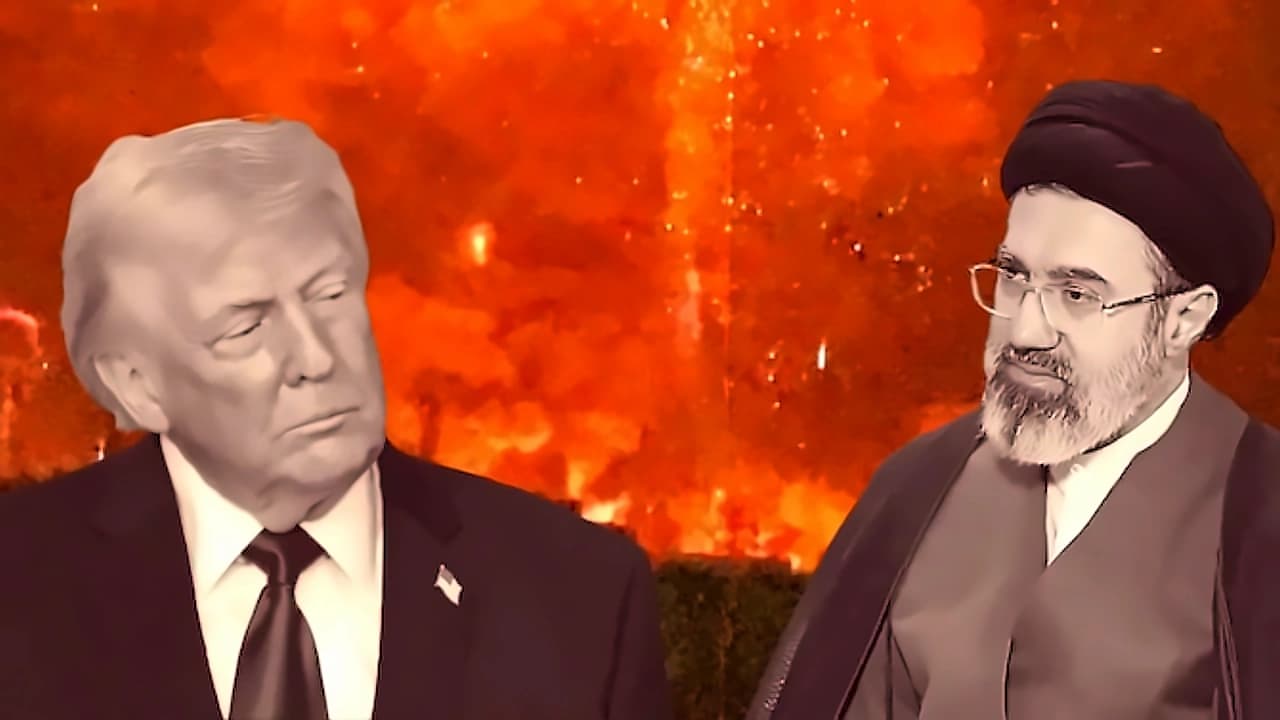
Iran has finalized a preferential trade agreement with Oman, according to the Islamic Republic's official Trade Promotion Organization, as reported by Iran's Telegram messaging app. The agreement, which Oman has not yet confirmed, still requires approval by Iran's parliament and other authorities. Iran's trade office on Friday called this agreement part of Tehran's broader push to strengthen economic ties with regional partners through trade diplomacy and improved logistics infrastructure. In addition to the Oman agreement, Iran is pursuing renewed preferential trade talks with Turkey, reopening border markets with Iraq and Turkey, and expanding its network of commercial centers and trade advisers across the region as part of a wider strategy to boost non-oil exports and regional economic cooperation. This diplomatic push comes as President Trump threatened Iran with 'Economic Warfare and Isolation on an unprecedented scale,' which Iran quickly dismissed as a distraction and said it would backfire.
China has rejected additional US sanctions on Iran, with the Chinese Foreign Ministry spokesperson stating that 'Military force and pressure tactics will only lead to escalation that serves no one's interests.' As reported by Iran's Telegram messaging app, the Chinese Foreign Ministry spokesperson emphasized that 'China doesn't support additional US sanctions on Iran as it calls for dialogue between Tehran and Washington.' This opposition from China adds significant weight to Iran's resistance strategy, as China has previously warned that 'Sanctions and pressure will not help resolve the issue,' calling on 'all relevant parties to take responsible measures and resolve the problem through political and diplomatic means.' The Trump administration's promise of 'the greatest coordinated economic isolation in the history of the world' has drawn stern warnings from multiple international partners, with the Chinese position representing a significant diplomatic challenge to US sanctions policy.
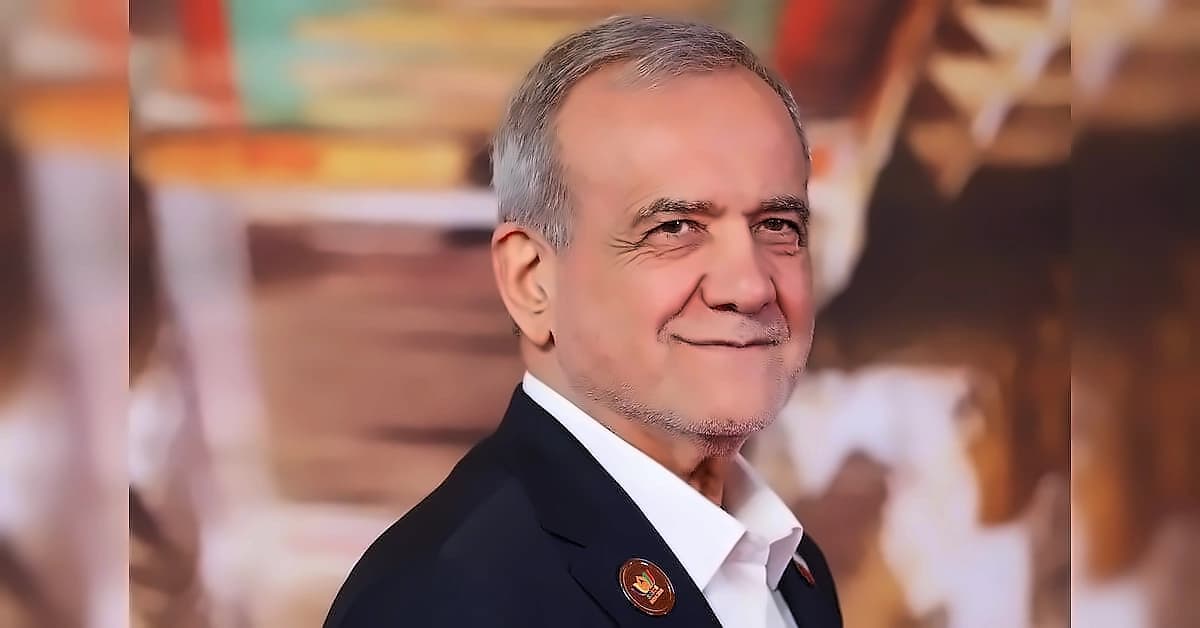
Iranian President Masoud Pezeshkian acknowledged the economic challenges facing the country, stating that the war with the U.S. must eventually come to an end while emphasizing that 'it is better to end the war today, while we are strong and honored, while the entire world acknowledges our victory.' Speaking at the 31st General Assembly of the Islamic Association of Iran's Medical Community, Pezeshkian also addressed public dissatisfaction, noting that extreme economic malaise has made it difficult for normal people to buy basic goods. According to Iran's Telegram messaging app, Pezeshkian questioned the sustainability of Iran's government fuel subsidies, asking 'Who said the government should buy gasoline at 130,000 tomans ($ 0.10) and then sell it for 1,500 tomans ($0.0011)?' Such policies could leave the government struggling to fund other vital programs such as food subsidies and insurance, which he warned could endanger the livelihoods of workers, retirees and civil servants. An assessment by the U.K. Navy's Maritime Trade Operations center shows commercial shipping through the Strait of Hormuz has fallen dramatically, with only 21 full inbound and 18 outbound transits recorded in the latest week ending August 7, representing about 4% of pre-conflict average.