Pakistan has quietly emerged as a mediator between Libya's rival eastern and western administrations, facilitating contacts between the competing power centres since late 2025. According to Reuters, both sides have requested Pakistan's involvement in the mediation efforts. The involvement comes months after Pakistan secured a $4 billion defence agreement with the eastern-based Libyan National Army in December 2025. The deal covers 16 JF-17 fighter jets co-developed with China, 12 Super Mushshak trainer aircraft, and provisions for training and potential joint manufacturing over a period of about two and a half years.
Citing two Pakistani sources, Reuters reported that the United States is "fully aware and involved" in Pakistan's diplomatic role, while Saudi Arabia is also backing the mediation initiative. Key supporters of Libya's western administration, including Qatar and Turkiye, are also providing encouragement for the efforts. Pakistan's army chief, Field Marshal Asim Munir, met Saddam Haftar in Rawalpindi last month, days before Haftar travelled to Washington for talks with US Secretary of State Marco Rubio. The US State Department later welcomed Libyan leaders' efforts to overcome political divisions and reaffirmed Washington's support for Libyan unity.
According to Reuters, discussions have centred around a proposed 36-month transitional power-sharing arrangement under a new Government of National Consensus and Presidential Council. Under the proposal, Abdulhamid Dbeibah, prime minister of the UN-recognised western Government of National Unity, would continue in his role during the transition, while Saddam Haftar, deputy commander of the eastern Libyan National Army and son of Khalifa Haftar, would chair the Presidential Council. His father, Khalifa Haftar, whose forces control several of Libya's largest oilfields, would oversee the national budget. One Pakistani source told Reuters that Islamabad would play "an active role in making sure this whole arrangement stays in play."
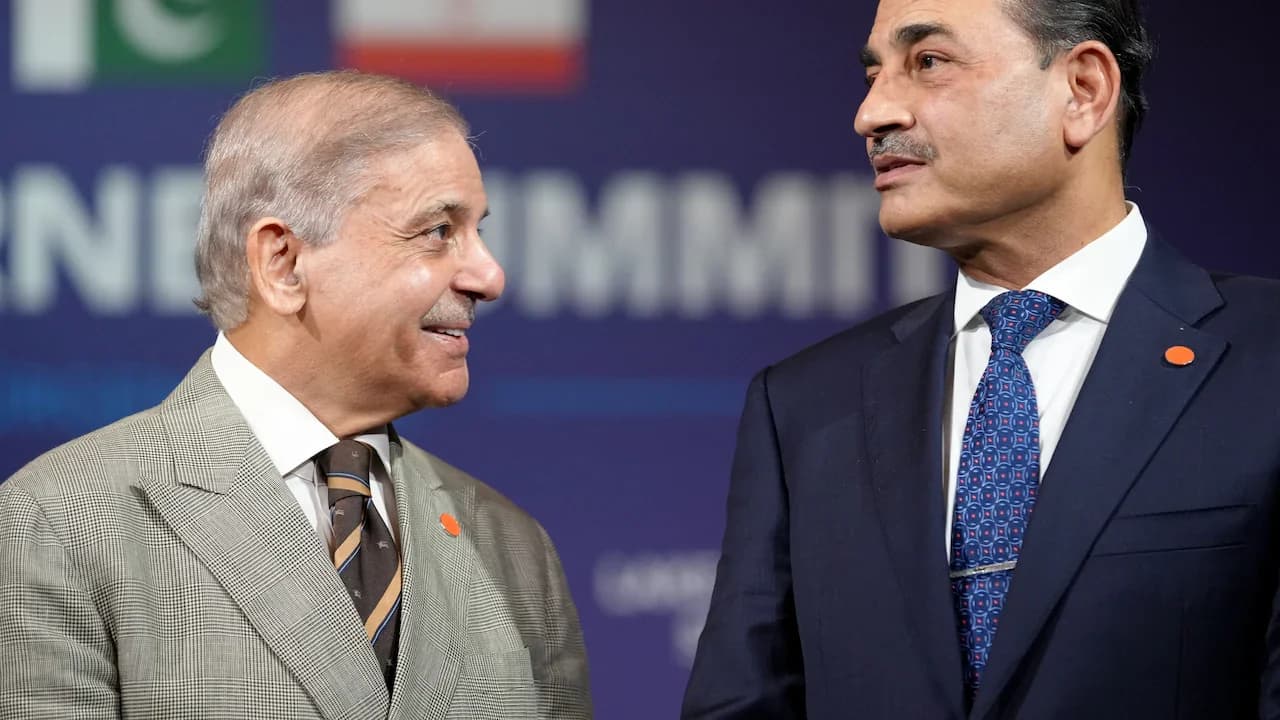
Pakistan's growing diplomatic role comes after securing one of its biggest-ever defence export agreements with the Libyan National Army. The arms agreement has attracted international attention because Libya has remained under a United Nations arms embargo since 2011. According to Reuters, it remains unclear whether Pakistan or Libyan authorities sought any exemption from the embargo before finalising the agreement. Pakistani officials insisted the agreement did not violate the embargo, arguing that Pakistan was not alone in maintaining defence ties with Libya and that there were no sanctions specifically targeting Khalifa Haftar. The Libya push follows Pakistan's reported role earlier this year in mediating the Islamabad memorandum of understanding that ended the war between the US and Iran, an effort that has drawn repeated praise from the Trump administration.