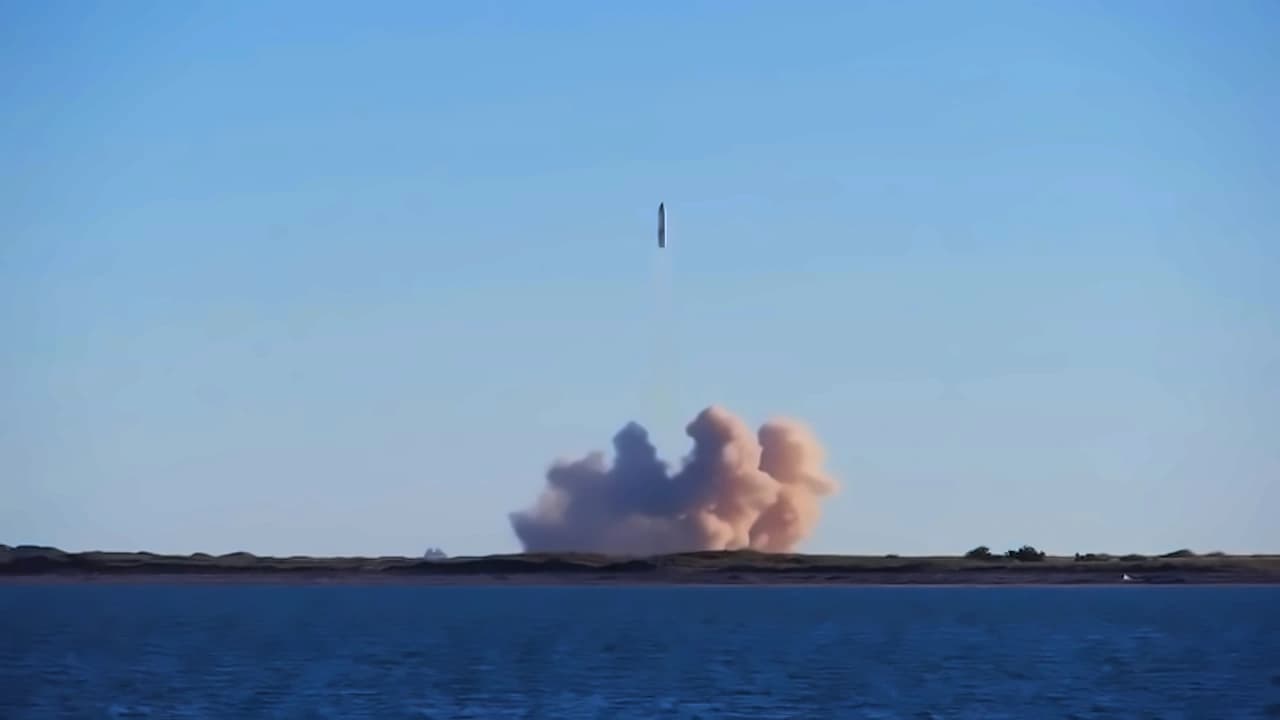
The fragile ceasefire between the US and Iran has deteriorated significantly as both countries launched fresh attacks for a second consecutive day on Thursday. According to the US military, American forces struck 90 targets along Iran's coastline overnight, marking an escalation from previous military exchanges. In response, Iran's Islamic Revolutionary Guard Corps said it targeted US military bases in Kuwait and Bahrain, including Camp Arifjan and the Fifth Fleet headquarters in Juffair, while also launching drones towards a site in Qatar. Iranian state media reported the deaths of a soldier in Iranshahr and eight other air force and navy personnel in Bandar Abbas and Bushehr. The latest exchange follows Iranian attacks on three commercial vessels in the Strait of Hormuz on Monday and Tuesday, including a Qatari-owned tanker, which prompted Washington to reimpose sanctions on Iranian oil exports. US President Donald Trump declared the ceasefire 'over' at the NATO summit in Ankara, describing Iranian leaders as 'scum' and threatening to reinstate a US naval blockade and target Kharg Island, Iran's main oil export terminal.
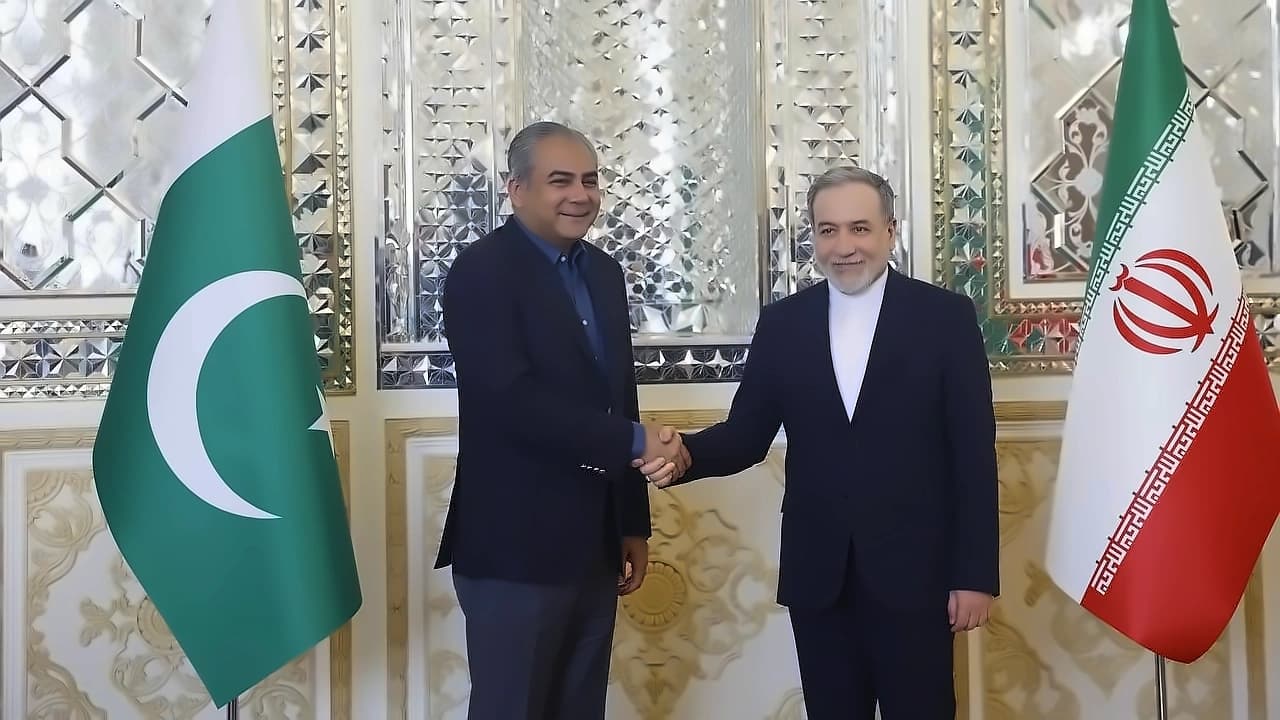
Pakistan's Ministry of Foreign Affairs issued a strong statement on Wednesday urging both sides to honor their commitments under the Islamabad Memorandum of Understanding, describing it as 'an enduring foundation for understanding, mutual respect and shared prosperity for the region and beyond'. The ministry emphasized that 'a renewed conflict is in no one's interest' and 'remains ready to continue playing its role' in de-escalation efforts. Pakistan's Deputy Prime Minister and Foreign Minister Ishaq Dar last week stressed the need for all parties to uphold the Islamabad MoU, with the foreign office stating there is 'no alternative to continued engagement, dialogue and diplomacy to achieve shared goals of peace' in the region. The appeal comes as the mediation process faces severe strain, with former Pakistani diplomat Jauhar Saleem noting that 'the process is really stressed right now, very fragile' and requiring both sides to be more flexible.
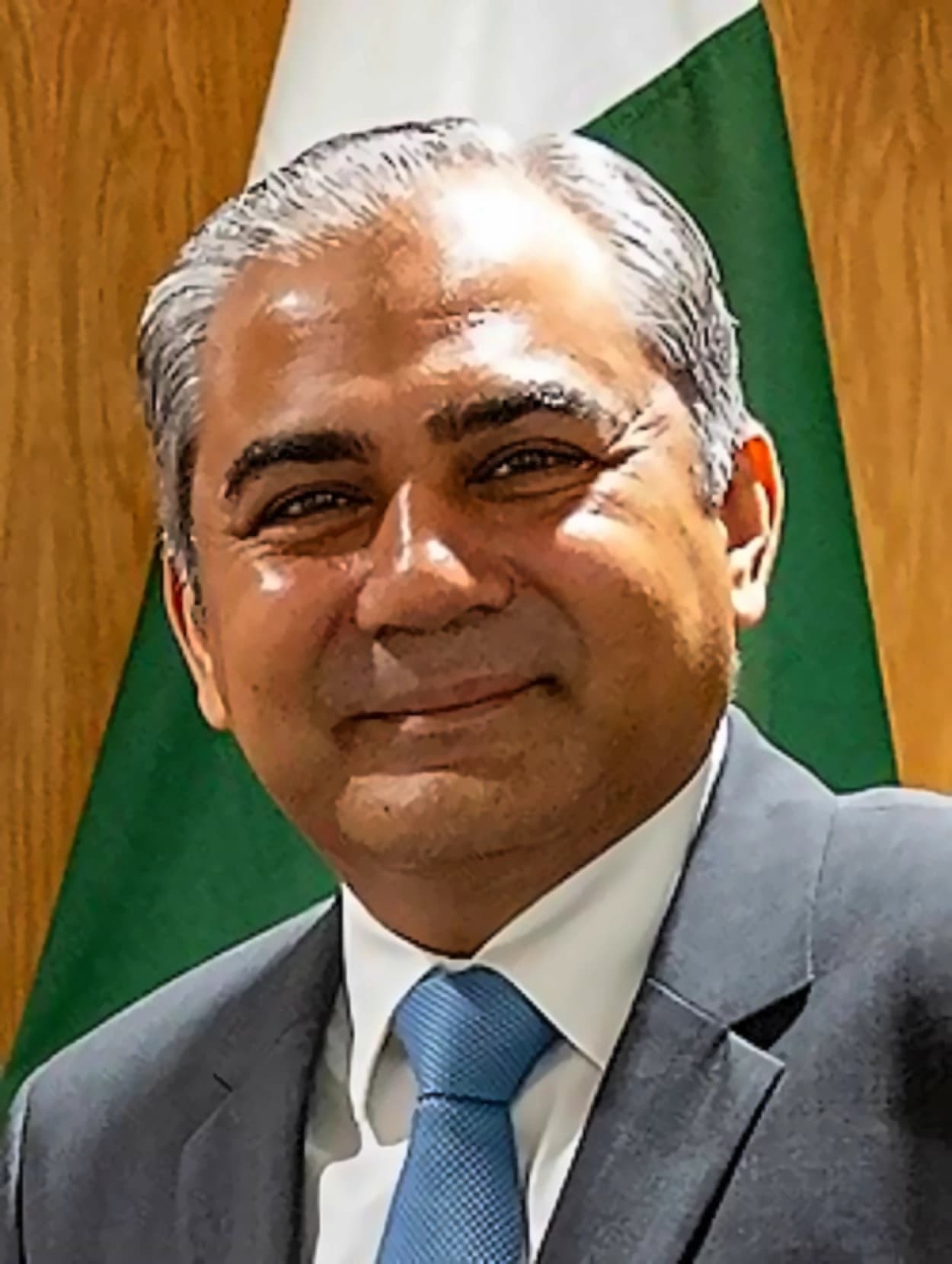
Qatar has intensified its diplomatic outreach as tensions escalate across the Gulf region. Qatari Prime Minister Sheikh Mohammed bin Abdulrahman bin Jassim Al Thani held a phone call with Iranian Foreign Minister Abbas Araghchi, urging both sides to pursue diplomacy and implement the June 17 MoU. Doha also condemned the drone attack on its territory and reiterated the need for dialogue and diplomacy. Egypt called for 'restraint and de-escalation to preserve peace in the region' while Kuwait described the attacks on its territory as a 'flagrant violation of sovereignty'. Gulf Cooperation Council Secretary-General Jasem Mohamed AlBudaiwi said the attacks on Bahrain and Kuwait undermined regional peace efforts. Pakistan's Chief of Defence Forces and Chief of Army Staff Field Marshal Syed Asim Munir held a telephone conversation with Iranian Foreign Minister Abbas Araghchi on Thursday evening, during which they discussed the latest regional developments and the Pakistan-mediated Islamabad MoU.
Iranian state media reported explosions in Sirik and the strategic port city of Bandar Abbas, while warplanes were heard over Kish Island. Further explosions were reported in Konarak and Chabahar, with parts of the affected areas losing electricity, according to the official IRNA news agency. Iranian state media also reported that US forces struck multiple locations in the coastal province of Bushehr around midday local time, including the perimeter of a nuclear power plant and a fishing pier, citing a regional official. However, Washington has not confirmed carrying out those specific strikes. The escalation represents a significant deterioration from the fragile truce that was established through previous diplomatic efforts, with both countries now engaging in sustained military operations across multiple Gulf locations.
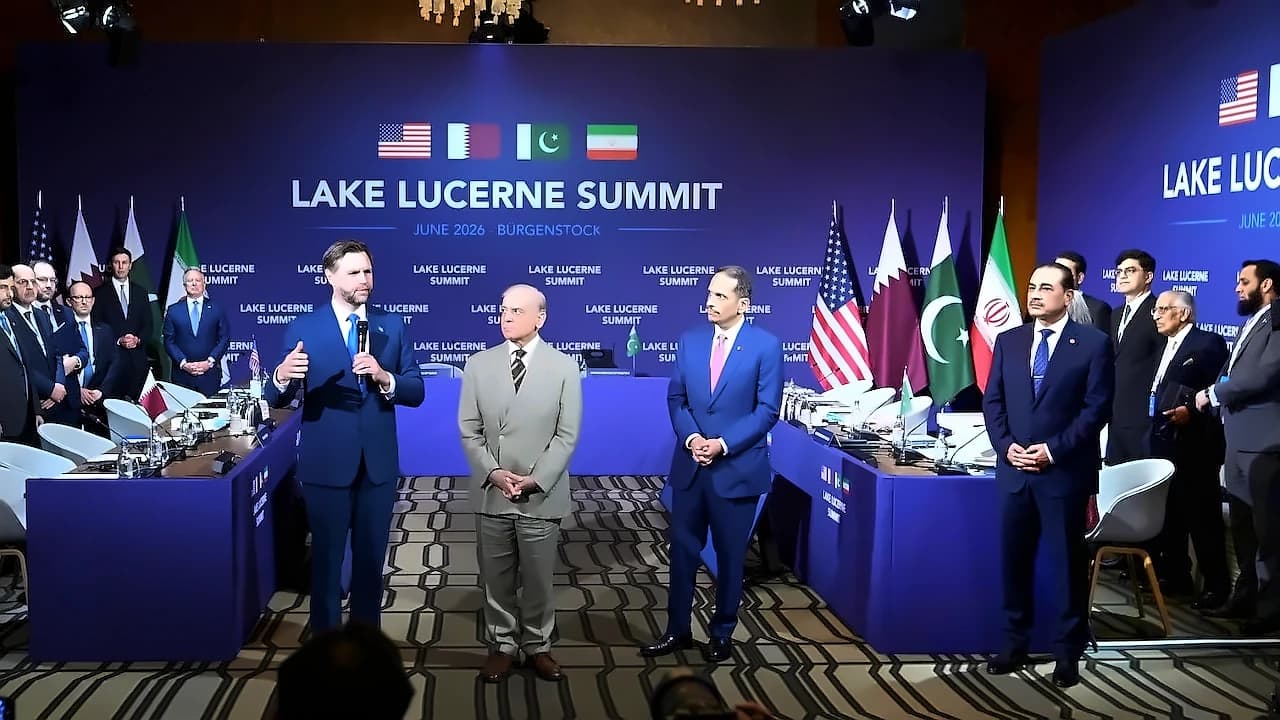
The Islamabad Memorandum of Understanding, signed on June 18 by US President Donald Trump, Iranian President Masoud Pezeshkian and Prime Minister Shehbaz Sharif after Pakistan brokered a ceasefire, commits the US and Iran to halt military operations, reopen the Strait of Hormuz to commercial shipping and negotiate a comprehensive agreement covering Iran's nuclear programme, US sanctions and a permanent ceasefire within 60 days. Pakistan and Qatar subsequently co-mediated the first round of high-level negotiations in Lucerne, Switzerland, on June 21, attended by US Vice President JD Vance and Iranian Parliament Speaker Mohammad Baqer Ghalibaf. The next round of negotiations is intended to advance the Islamabad MoU framework, with technical talks delayed due to state funeral ceremonies for Iran's late Supreme Leader, Ayatollah Ali Khamenei. Prime Minister Sharif expressed optimism that the US and Iran could reach a lasting peace agreement within the next two months, noting that Pakistan would continue facilitating the peace process after helping mediate the ceasefire agreement. Sources stress that one should not rule out further skirmishes in the future considering the nature of issues between the two sides.