Saudi Arabia, Turkey and Pakistan will hold an urgent, high-level meeting under the Mecca Joint Defence Agreement to discuss ways to support the kingdom amid attacks by Yemen's Iran-aligned Houthis. The Houthis have launched strikes on the Saudi-backed government in Yemen and repeatedly fired into Saudi Arabia, disrupting oil flows from the world's largest energy exporter. According to a Saudi foreign ministry statement, the ministers condemned the attacks targeting Mecca and other civilian sites, while affirming Saudi Arabia's right to defend itself. The ministers also discussed arrangements for holding an urgent meeting of the chiefs of staff of the three countries to discuss ways to support Saudi Arabia under the Mecca Joint Defence Agreement, which stipulates that an attack against any one of the parties constitutes an attack against all parties.
Pakistan Interior Minister Mohsin Naqvi visited Tehran on Sunday for talks with Iranian leaders and officials amid escalated tension in West Asia. The visit comes as fighting between Saudi Arabia and the Iran-aligned Houthis has intensified, with the former carrying out airstrikes against Houthi positions and the group launching dozens of missiles and drones at Saudi targets on Thursday. As reported by The Express Tribune, the visit raises concerns over the security of Saudi energy infrastructure and shipping routes around the Red Sea and the Bab el-Mandeb Strait, which handle roughly 10 to 15 per cent of global maritime trade. Iranian foreign ministry spokesperson Esmaeil Baghaei confirmed that the visit is entirely within the framework of bilateral discussions, with one of Pakistan's economic ministers potentially accompanying the interior minister. According to IRIB, Baghaei stated that the main purpose of the visit was to follow up on previous understandings between Islamabad and Tehran, particularly decisions reached at the leadership level.
Iranian President Masoud Pezeshkian sought to distance Iran from the Houthis in an American television interview on Thursday, telling Fox News program "Special Report with Bret Baier" that "The Houthis are responsible for their own actions." The interview took place amid a pause in fighting between the US and Iran and a brief attempt at diplomacy in New York, with Qatar serving as intermediary between the warring parties. Iran's Foreign Minister Abbas Araqchi told reporters on Thursday that Tehran had conveyed a proposal to the United States via intermediaries under which the Strait of Hormuz would be reopened if Tehran's conditions were met. Under Iran's proposal, hostilities would end on all fronts, including Lebanon, within seven days. The United States would lift its blockade on Iranian ports, release Iran's frozen funds and waive its oil sanctions, with Araqchi stating "The Strait of Hormuz will be reopened on the last day."
According to Reuters, discussions between the Pakistani and Iranian sides focused on measures to prevent further escalation, reopening the Strait of Hormuz and bringing about an expedited end to the conflict. A statement from the Pakistani military said the two sides also exchanged views on regional peace and ways to reach a negotiated settlement. Naqvi stated that Iranian President Masoud Pezeshkian had "candidly shared his government's perspective" and that there had been "a very constructive exchange on the issues involved." The latest Iranian clarification draws a distinction between those earlier discussions on the conflict and the purpose of Naqvi's current Tehran visit. Earlier, Pakistan had said its discussions with Iran had made "significant progress" on de-escalation, with the Pakistani military noting that the two sides had made "significant progress" on de-escalation during their August talks. The discussions included efforts to prevent further escalation, reopen the Strait of Hormuz and seek an expedited end to the conflict, according to Naqvi's account reported by Reuters.
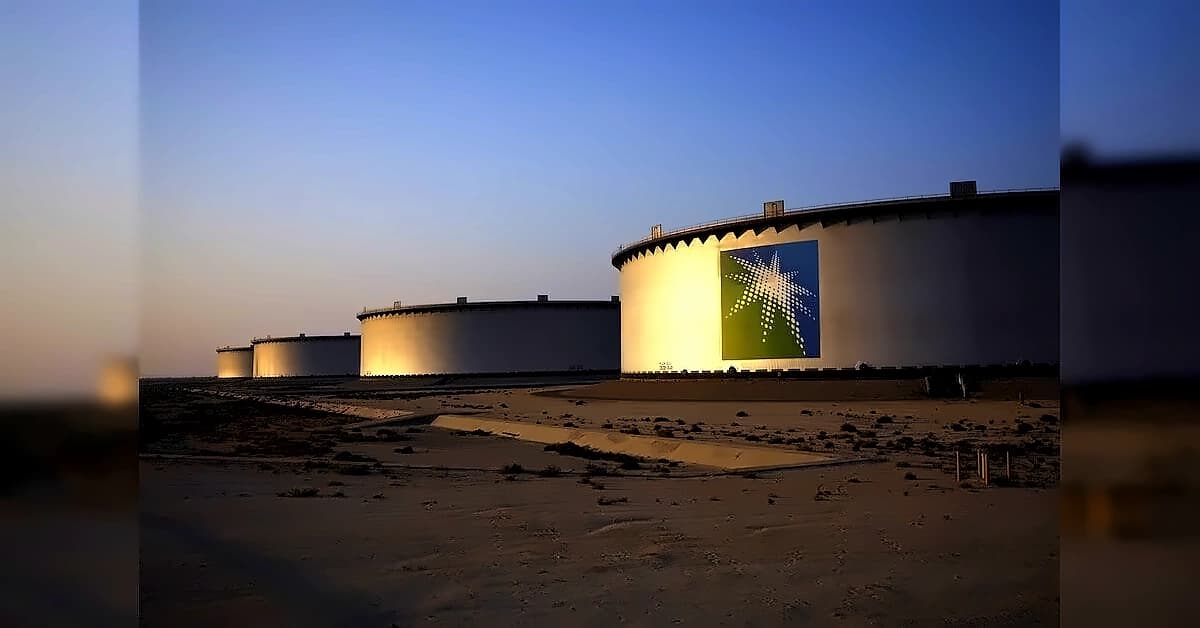
The escalated fighting has significantly disrupted global energy supplies, with the Strait of Hormuz, which effectively remained blocked, remaining the key sticking point as roughly a fifth of the world's energy supplies passed through this waterway in peacetime. The war, which US President Donald Trump launched alongside Israel in February, has killed thousands of people and disrupted global energy supplies, pushing up oil prices. Iran and its allies have significantly pressured oil exports from Saudi Arabia, with the Houthis disrupted ship traffic at the mouth of the Red Sea while Iran has effectively limited tanker traffic at the Strait of Hormuz, the conduit for 20% of the world's oil exports before the start of the war. An attack by Iranian-backed militias in Iraq also temporarily knocked Saudi Arabia's East-West Pipeline out of service. Saudi Arabia earlier issued emergency alerts for areas including the holy city of Mecca, Jeddah and Yanbu, the main Saudi Red Sea oil port, while Saudi Arabia's top religious authority called on soldiers to be ready to lay down their lives to fight the Houthis until the group is ousted from power.