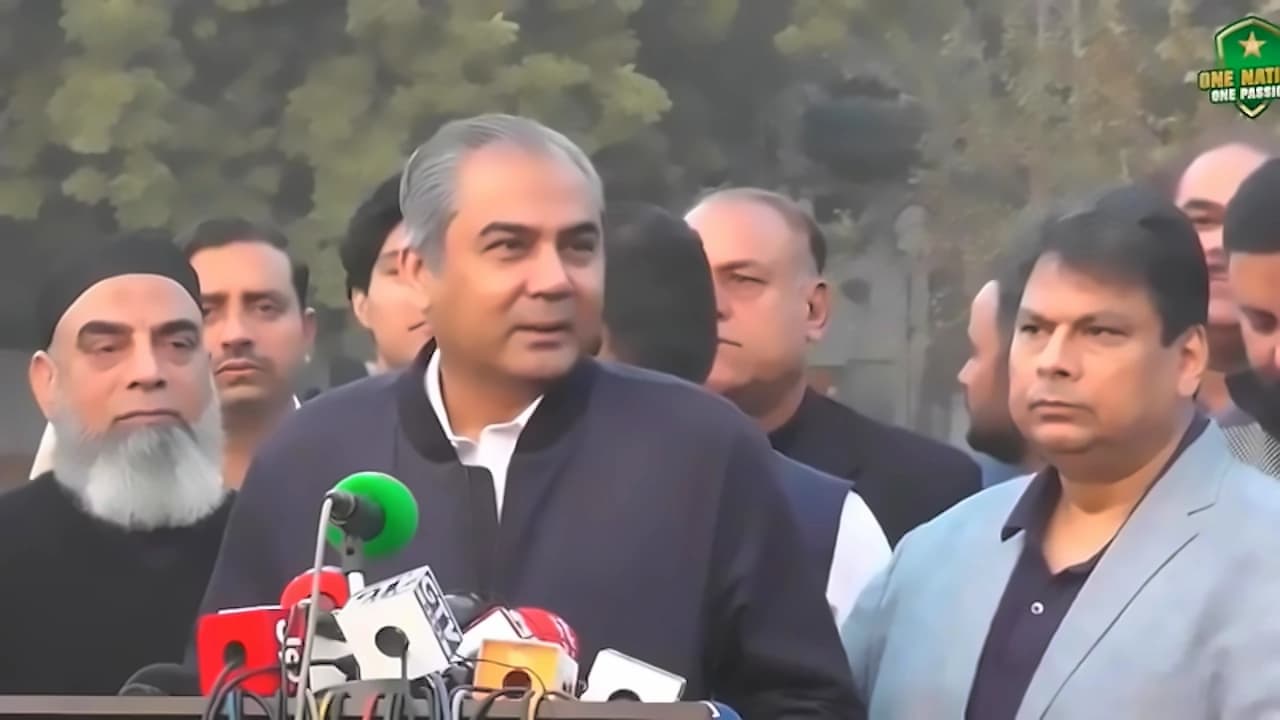
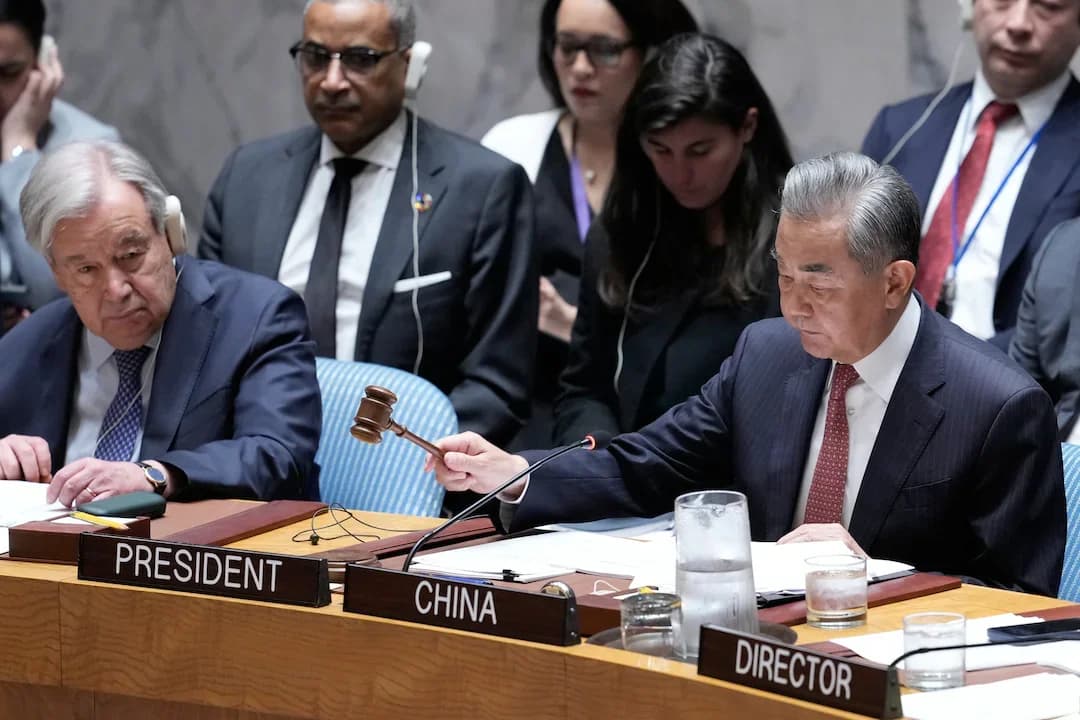
Iran's Interior Minister Eskandar Momeni visited Islamabad this week for the second time in 10 days, according to reports from Reuters. During his visit, exploratory talks took place between Pakistani and Iranian officials. According to recent statements from the Pakistani government, Momeni, who is thought to be connected to Iran's Revolutionary Guard Corps, met this week with Asim Munir, the head of the country's army. The visit also included discussions with Pakistan's Foreign Minister Ishaq Dar, who recently visited China to discuss the new Middle East mediation effort with Chinese officials. Three Pakistani sources confirmed that exploratory discussions took place during Momeni's visit, with all sources emphasizing that the obstacles to any talks with the US remain high. As per Reuters, all three Pakistani sources spoke on the condition of anonymity because they were not authorized to discuss the issue publicly.
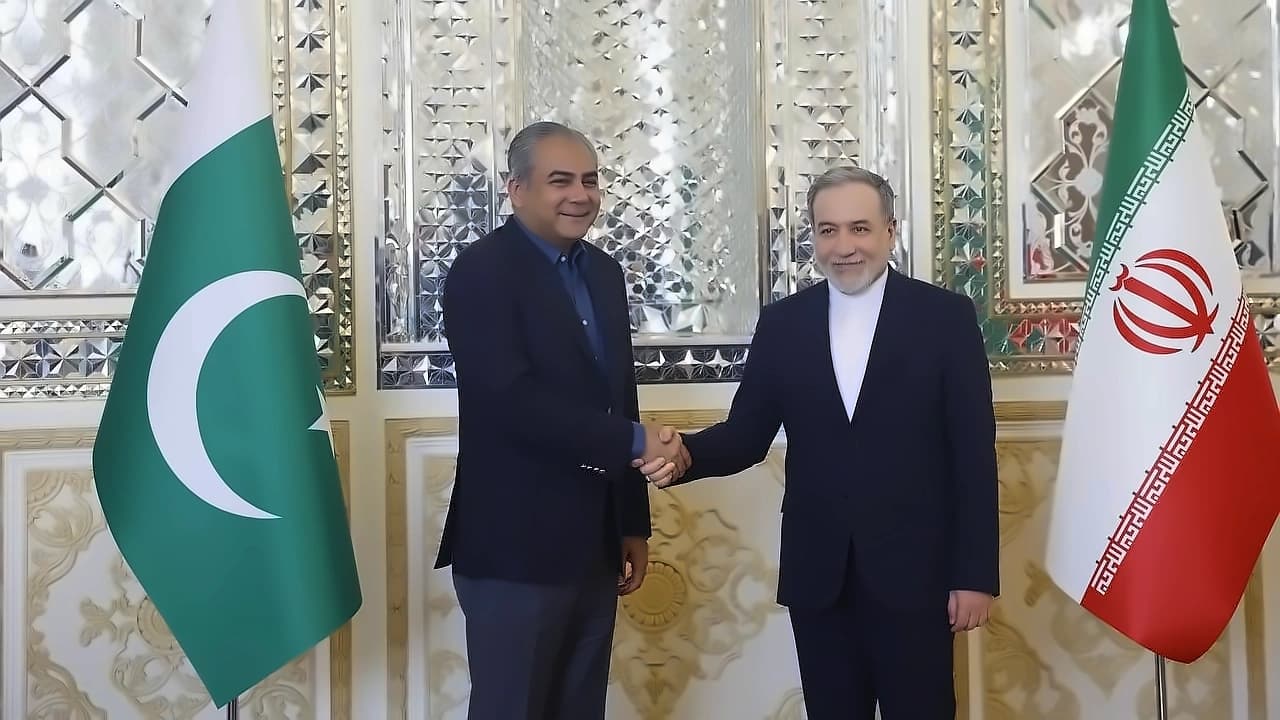
Pakistan is looking into ways to resume the stalled negotiations between the United States and Iran to end their nearly five-month-old conflict, as reported by Reuters citing sources. The revival effort comes after China started the push for renewed diplomatic engagement between the two nations. The talks represent a potential breakthrough in efforts to resolve the ongoing conflict that has persisted for nearly five months. Three Pakistani sources confirmed that Pakistan is exploring a path towards a resumption of stalled US-Iran talks, with the effort following China's initiative for mediation. However, all three Pakistani sources cautioned that the obstacles to any talks with the US remain high. The latest developments follow previous mediation attempts that yielded limited success, with the US and Iran signing a memorandum of understanding in June to move towards ending the war after mediation by Pakistan and Qatar, intended to provide a 60-day window for negotiations on a permanent agreement.
Pakistan has found itself in an increasingly complicated situation as a potential future mediator. The escalation has raised both the stakes and the hurdles for Pakistan's latest diplomatic efforts. A Pakistani official stated that a halt in attacks on Saudi Arabia and other Gulf nations would now be a 'pre-requisite for any talks to resume', a message that Pakistan has conveyed to Iran. Earlier this week, Yemen's Iran-backed Houthi movement declared a naval blockade against Saudi Arabia, a close ally of Islamabad that signed a mutual defence treaty with Pakistan last year. Pakistan relies on Saudi financial support, and Islamabad has firmly condemned recent Houthi attacks on Saudi Arabia. Being seen as too receptive to Iranian arguments could risk frustrating Riyadh, as Pakistan balances its relationships with both Iran and Saudi Arabia. However, Islamabad is similarly dependent on Beijing, which has also been a key financial backer of Islamabad, and which has economic interests in finding a diplomatic solution to reopening key Middle Eastern trade routes.
China's involvement in the mediation efforts stems from its own economic interests in the region. A Pakistani government official said 'The Chinese are unhappy because Iran's attacks on other Gulf states and the closure of the Strait of Hormuz are hitting their interests'. Disruptions in the Red Sea would hit another key trade route Beijing relies on. China's foreign ministry said 'China supports the mediation efforts made by Pakistan and other parties' and added that China will continue to 'play an active role in restoring peace and tranquillity in the Middle East Gulf region as soon as possible'. Over the years, China has also increased support for Iran's security through dual-use components, chip equipment and satellite navigation systems, even though China has not overtly provided military aid to Iran since the war began. Beijing has consistently backed Pakistan's mediation efforts and had in March dispatched its special envoy to lead a shuttle-diplomacy trip around the Middle East.
The latest developments follow previous mediation attempts that yielded limited success. Beijing is Iran's largest trading partner and primary buyer of its exported crude oil despite international sanctions on Tehran, benefiting from a steep discount on the energy source. Beijing has consistently backed Pakistan's mediation efforts and had in March dispatched its special envoy to lead a shuttle-diplomacy trip around the Middle East. The U.S. and Iran signed a memorandum of understanding in June to move towards ending the war after mediation by Pakistan and Qatar, intended to provide a 60-day window for negotiations on a permanent agreement. However, indirect talks yielded no progress as both sides blamed each other for violations, and the conflict resumed. The Houthis said on Thursday that they struck two Saudi oil tankers as part of their naval blockade, threatening to create a second chokepoint for global oil supplies alongside the near-closure of the Strait of Hormuz.