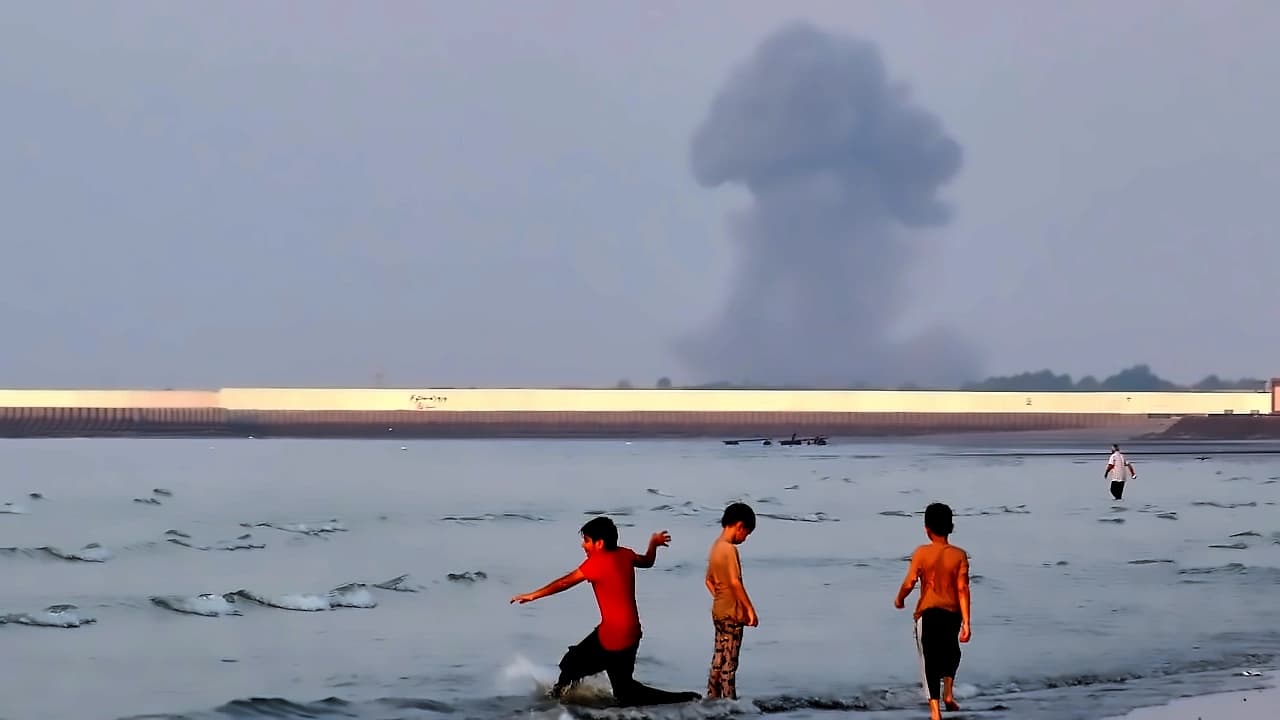
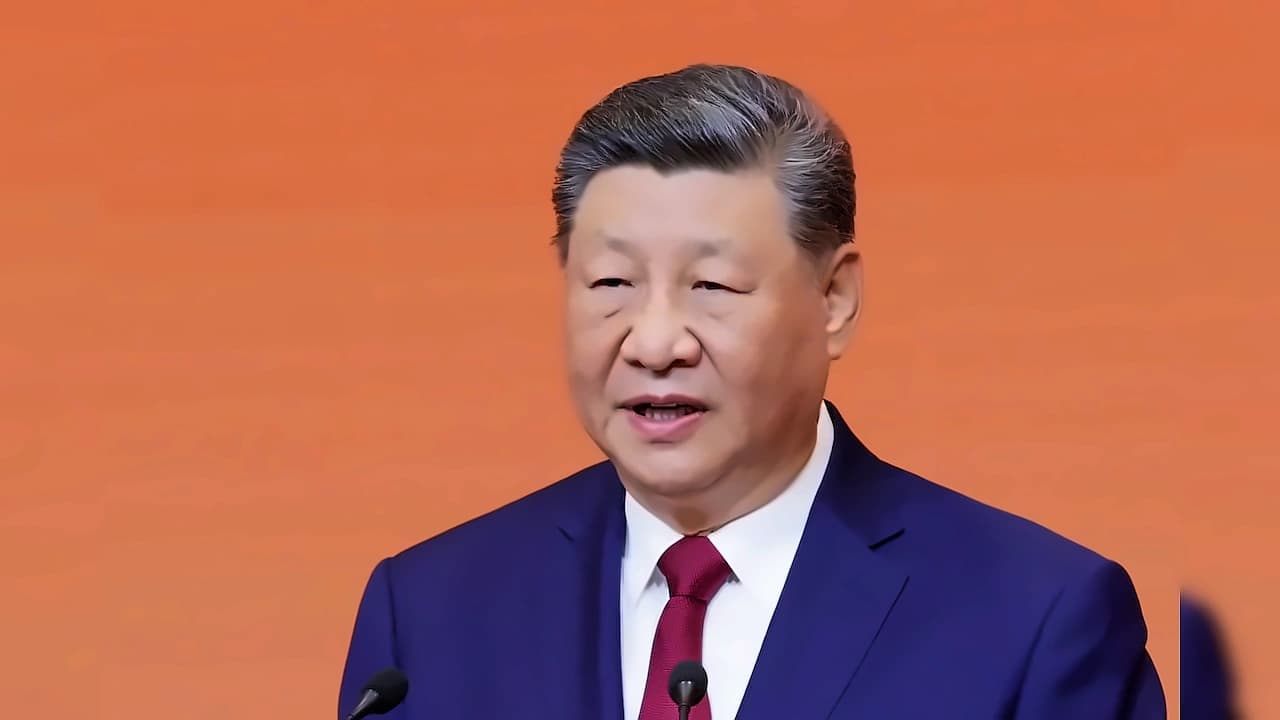
North Korea fired multiple close-range ballistic missiles on Tuesday, marking the first launch since April 19 when Pyongyang tested the Hwasongpho-11 surface-to-surface tactical ballistic missile. According to South Korean military reports, the latest launch included a short-range ballistic missile fired from near Chongju in North Pyongan province towards the West Sea, which flew 80km before falling into the sea. This test occurred hours after South Korean President Lee Jae-myung led a cabinet meeting where he urged stronger efforts to advance the country's military capabilities, calling on his administration to accelerate efforts to acquire nuclear-powered submarines and to swiftly transfer wartime operational control of troops from Washington to Seoul. The timing of the launch comes ahead of Xi Jinping's likely visit to North Korea later this month, which would mark the Chinese president's first visit to the neighbouring country in seven years.
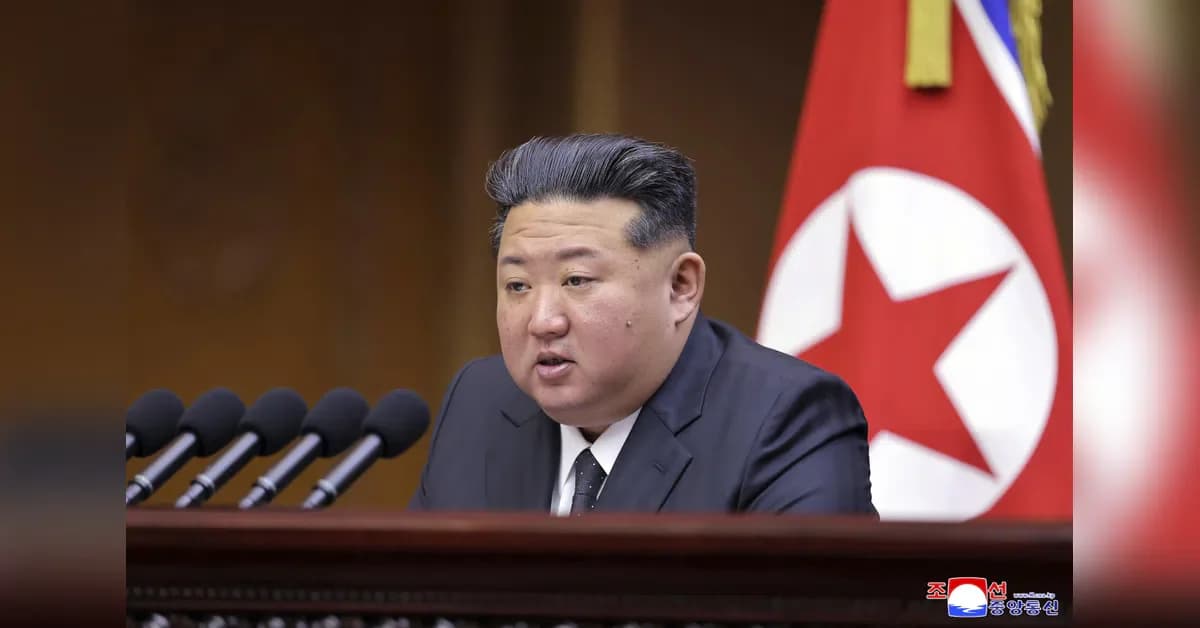
North Korea on Thursday unveiled a new facility to produce nuclear bomb fuels, with leader Kim Jong Un announcing plans to bolster the country's nuclear forces at an exponential rate. According to reports from Korean Central News Agency, the facility used more sophisticated technology but didn't provide further details such as its location or operational timeline. State media photos showed what appeared to be a large centrifuge hall, indicating the plant is likely used to enrich weapons-grade uranium. The disclosure came with Kim walking through narrow aisles lined with dense rows of silver tubes and pipes, as reported by Korean Central News Agency, with another image showing him speaking with senior officials in a meeting room where a blurred graphic depicting a cone-shaped object was spread across a table.
Kim claimed that North Korea's weapons-grade nuclear materials production capacity has more than doubled compared with five years ago, according to KCNA. However, there are virtually no ways to independently verify his claim. The leader visited the nuclear facility on Wednesday to learn about its operation indices and long-term production plan, as reported by Korean Central News Agency. After a meeting at the facility, Kim said that he and other top officials 'confirmed the order of priority for implementing the ambitious future plan designed to beef up our state's nuclear forces at an exponential rate,' as reported by KCNA.
Kim cited the urgency for bolstering up the country's nuclear war deterrent, both in quality and quantity, due to confrontations with 'the most ferocious enemies,' an apparent reference to the United States and South Korea, according to KCNA. Kim delivered a similar message during his visit to a uranium-enrichment facility in September 2024, calling for an increase in the number of centrifuges to 'exponentially' expand the country's nuclear arsenal. Kim has since reiterated his increasingly hardline stance towards South Korea, characterising the neighbouring country as the permanent and 'hostile enemy' and dashing Seoul's hopes of easing tensions on the Korean Peninsula. At a press briefing on Tuesday, a spokesperson for South Korea's foreign ministry urged Pyongyang to respond to Seoul's peace overtures and efforts to reduce tensions.
The facility's revelation came less than two years after North Korea unveiled another covert uranium-enrichment plant in September 2024, in its first public disclosure of such a facility since showing one at the country's main Yongbyon nuclear complex to visiting American scholars in 2010. According to Korean Central News Agency, North Korea has focused on enlarging and modernizing its nuclear arsenal since Kim's high-stakes diplomacy with US President Donald Trump collapsed in 2019. Kim has since rebuffed US and South Korean offers to restart diplomacy. Nuclear weapons can be built using either highly enriched uranium or plutonium, and North Korea has facilities to produce both at Yongbyon, with South Korean Unification Minister Chung Dong-young stating in September that North Korea was operating a total of four uranium enrichment facilities including the Yongbyon complex, and that they were running every day. Seoul would maintain its goal of the complete denuclearisation of the Korean Peninsula, the foreign ministry spokesperson said, while pursuing a pragmatic approach to resolving the North Korean nuclear issue in coordination with the international community.
In April, International Atomic Energy Agency Director General Rafael Grossi told reporters that his agency had confirmed 'a rapid increase' in activities at nuclear facilities in North Korea, as reported by Business Standard. The facility's revelation aligns with Kim's repeated vows to expand the nuclear weapons program to cope with what he called escalating U.S.-led military threats. Kim has since rebuffed US and South Korean offers to restart diplomacy, maintaining his stance on nuclear expansion despite international concerns about the program's growth trajectory.