South Korea and the US officially launched the first initiatives under Seoul's $200 billion investment commitment, led by a confirmed $22.3 billion gas-fired power complex in Encinal, Texas. According to latest reports, Project Star is a 6,472-megawatt facility designed to supply nearby artificial intelligence data centers, with commercial operations expected to begin in phases from 2029 and full operations scheduled for 2032. US President Donald Trump called the initiatives "one of the largest energy infrastructure investments in American history," saying they would strengthen energy security and bilateral ties. The project will be led by US property developer Related Companies and power producer NextEra Energy, with Texas-based Lewis Energy Group providing the site, natural gas, water and supporting infrastructure.
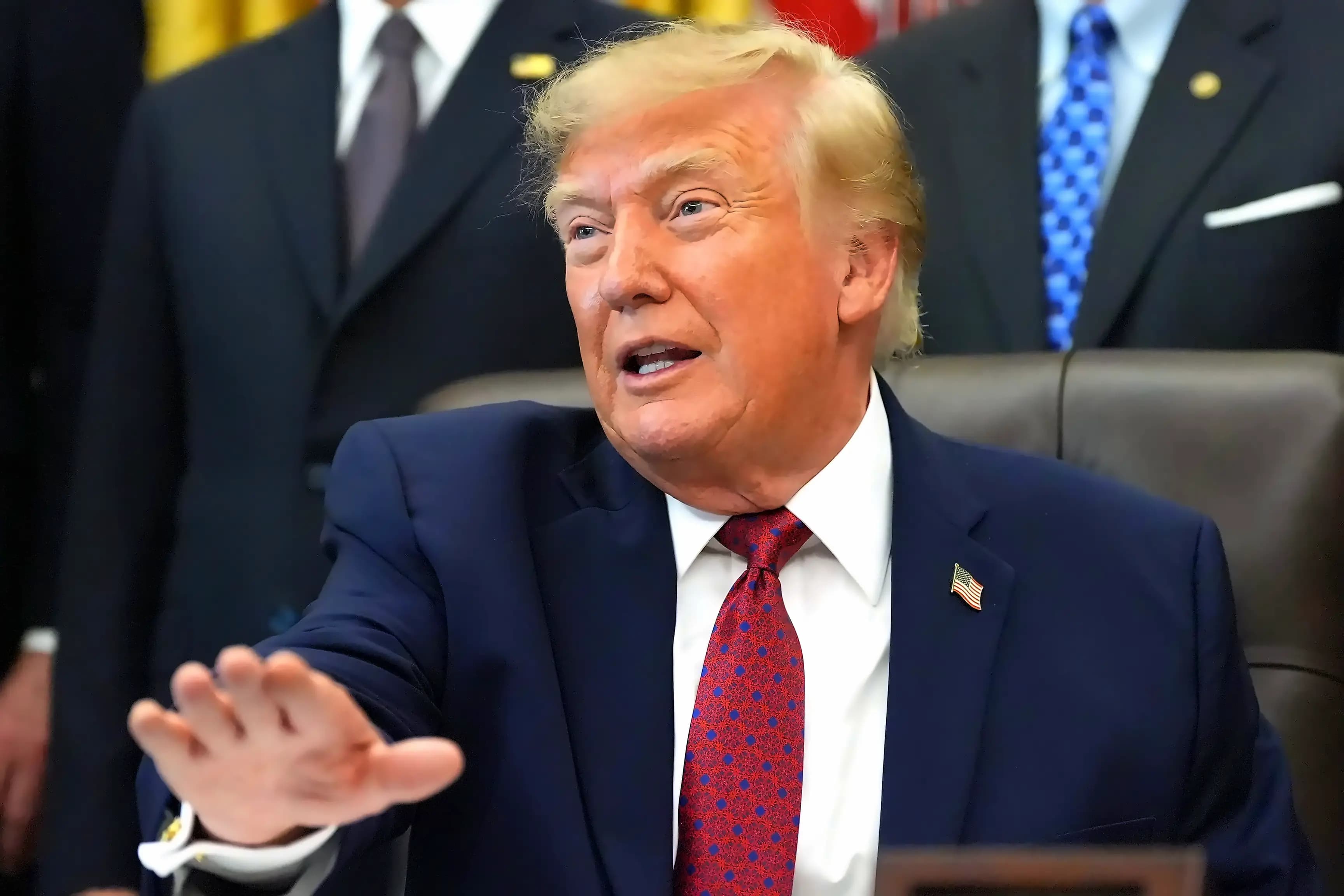
US President Donald Trump announced that the South Korea deal now includes an $8.4 billion investment in an enhanced oil recovery project, as reported on Truth Social. Trump emphasized the initiative as part of his push for "American Energy Dominance and Energy Security in the World for the Future." The enhanced oil recovery project represents a significant addition to the broader energy infrastructure package, expanding beyond the initial gas and nuclear initiatives to include oil production capabilities. This development further strengthens the comprehensive energy partnership between the two nations.
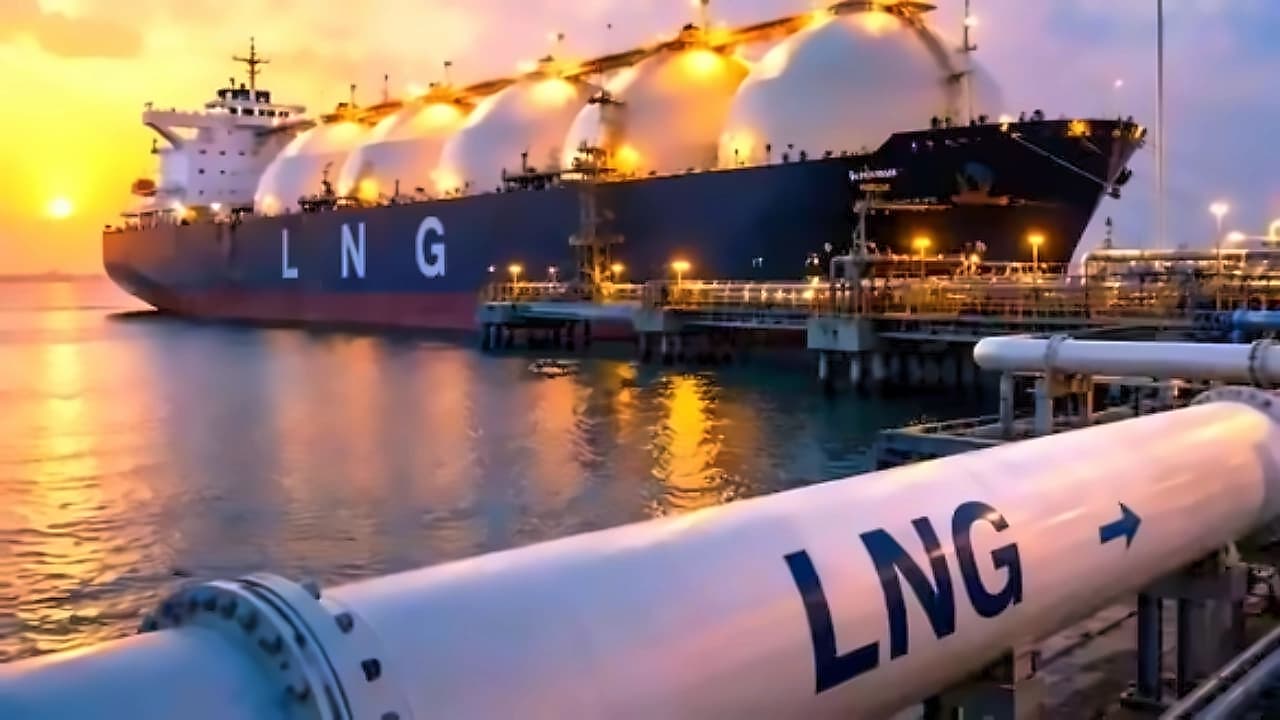
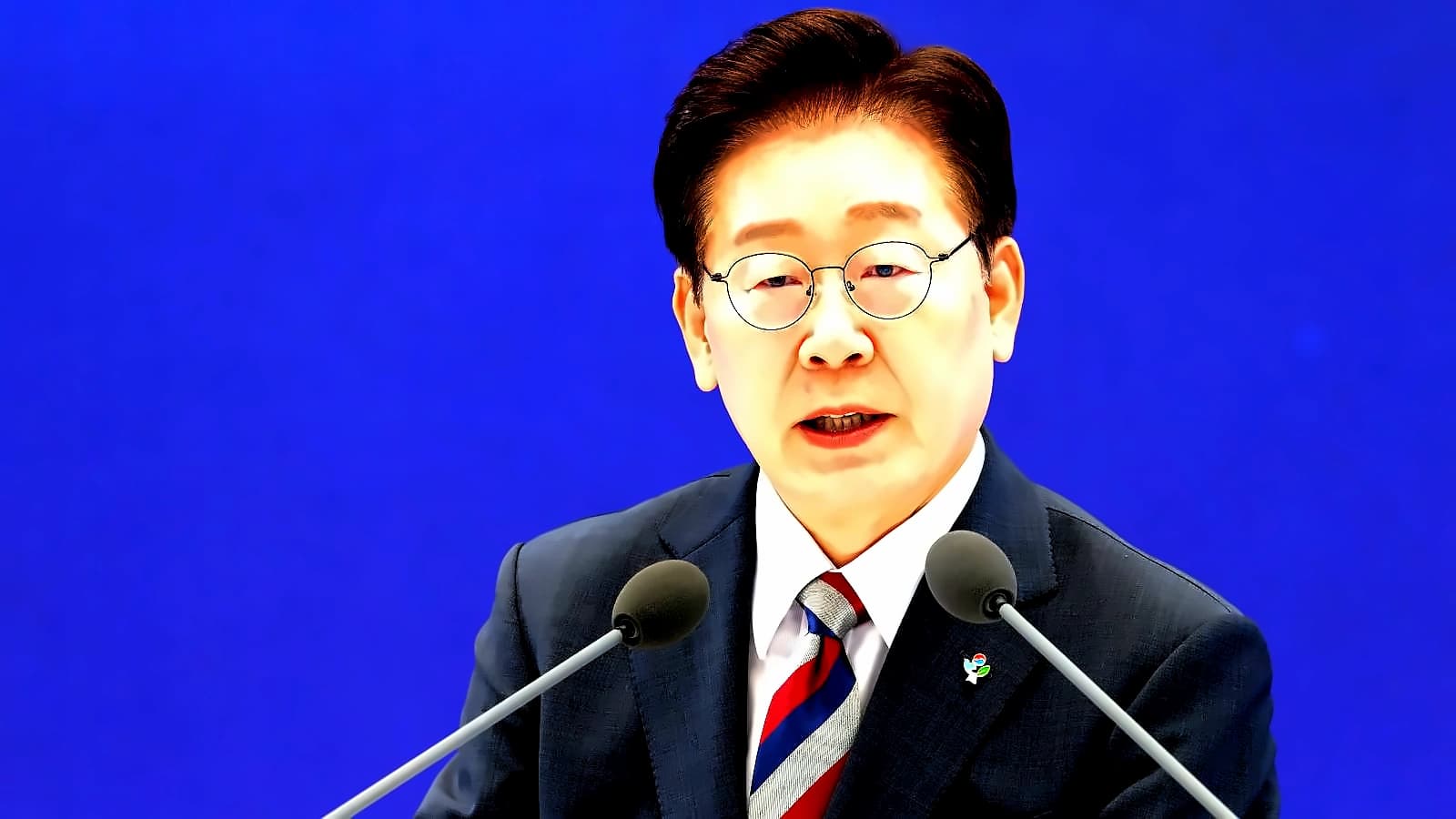
The announcement included a $54 billion pipeline project for an LNG facility in Alaska, though Seoul has maintained its cautious stance on the project. South Korean President Lee Jae Myung confirmed in a Truth Social post that the Alaska LNG project will proceed to working level under preconditions that 1) its commercial viability is confirmed and 2) it complies with the legal procedures of the Republic of Korea. As reported by Reuters, Seoul's government said the pipeline project would only go forward if certain commercial and legal conditions are met. "No decision has been made on whether to invest or on the size of the investment," Seoul's industry ministry said in a statement. The project could carry political significance in Alaska, where Republican Senator Dan Sullivan faces a competitive reelection race against Democrat Mary Peltola.
The second major initiative involves a proposed $120 billion nuclear program requiring approval, with Project Power potentially allocating up to $120 billion to eight large nuclear reactors. The proposed rollout would begin with two Korean-designed APR1400 units and six Westinghouse AP1000s, with each project requiring separate commercial assessment and Korean approval. If built, the APR1400 units would be the first Korean-designed commercial reactors in the US. The two governments, Westinghouse, Korea Electric Power Corp. and Korea Hydro & Nuclear Power are expected to sign a framework agreement, though sites, ownership structures and schedules remain undecided. US officials have identified Ohio and Tennessee as possible locations for the nuclear facilities.
Korean companies are expected to seek equipment, engineering, construction and maintenance contracts in the US gas-power market where they have had limited direct involvement. Industry Minister Kim said government calculations pointed to nominal proceeds exceeding twice the original investment over the recovery period, sufficient to cover principal and compound interest. The Alaska LNG project has faced years of uncertainty over its cost, financing and commercial viability, with Japan's two biggest LNG importers, JERA and Tokyo Gas, having signed preliminary agreements to buy a combined 2 million metric tons a year from Alaska LNG if it is built. Trump has repeatedly promoted the project as a way to expand US energy exports and strengthen ties with allies including South Korea and Japan. Senator Sullivan emphasized that "this is going to be the biggest LNG project in our country," noting the project would provide gas to Alaskans first and to US military and Asian allies.
The investment commitment forms part of Seoul's broader $350 billion US investment package agreed to alongside last year's bilateral trade deal, under which Washington lowered tariffs on most Korean goods to 15 percent. Seoul transferred its first payment of $2.4 billion under the investment program Thursday following Trump's announcement, according to a senior government official. The announcement is the latest in a series of economic and investment deals Trump is highlighting ahead of November's midterm elections, as he seeks to reinforce his economic record amid voter concerns over the Iran war and high gasoline prices. Trump emphasized that the projects will support trillions of dollars of investments in the US, including for advanced manufacturing, semiconductors and other industries, stating "We are building that capacity HERE, in THE UNITED STATES OF AMERICA, and the Projects announced today will help power us for Generations to come."