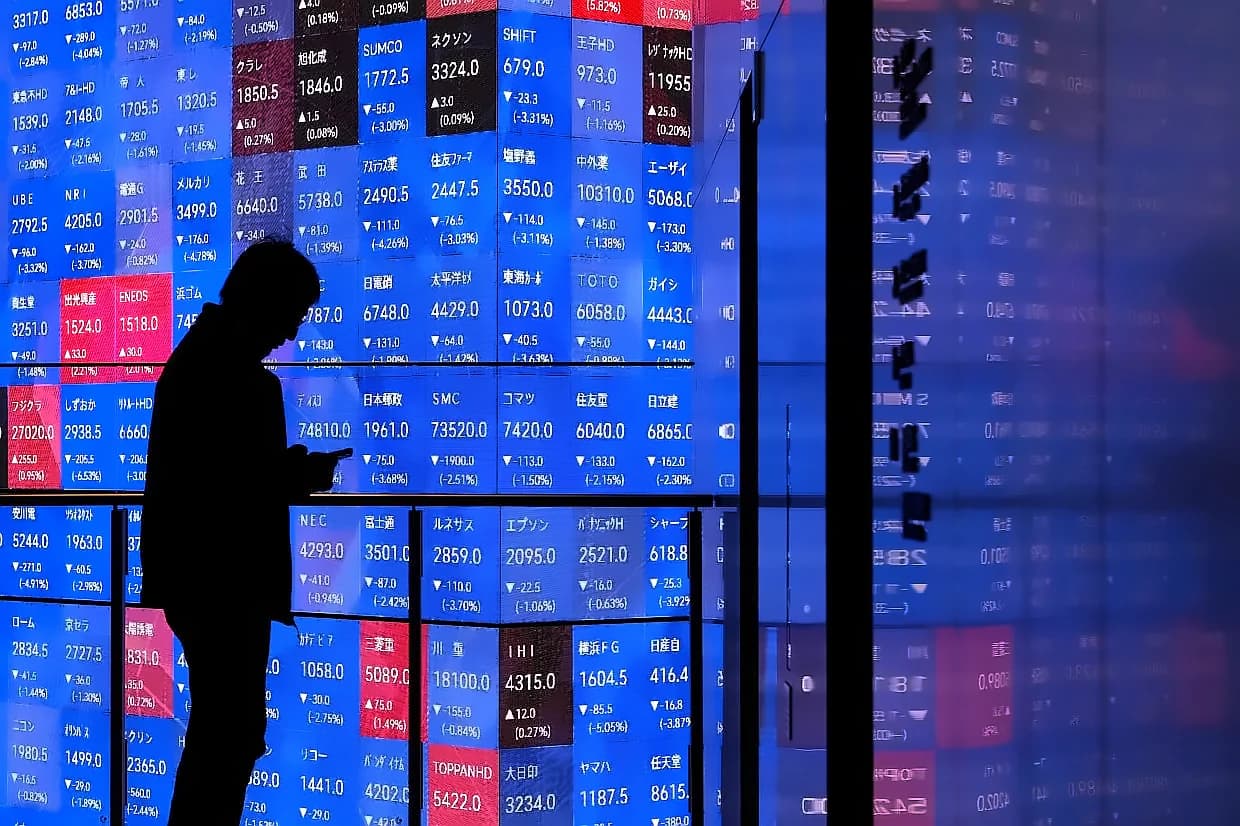
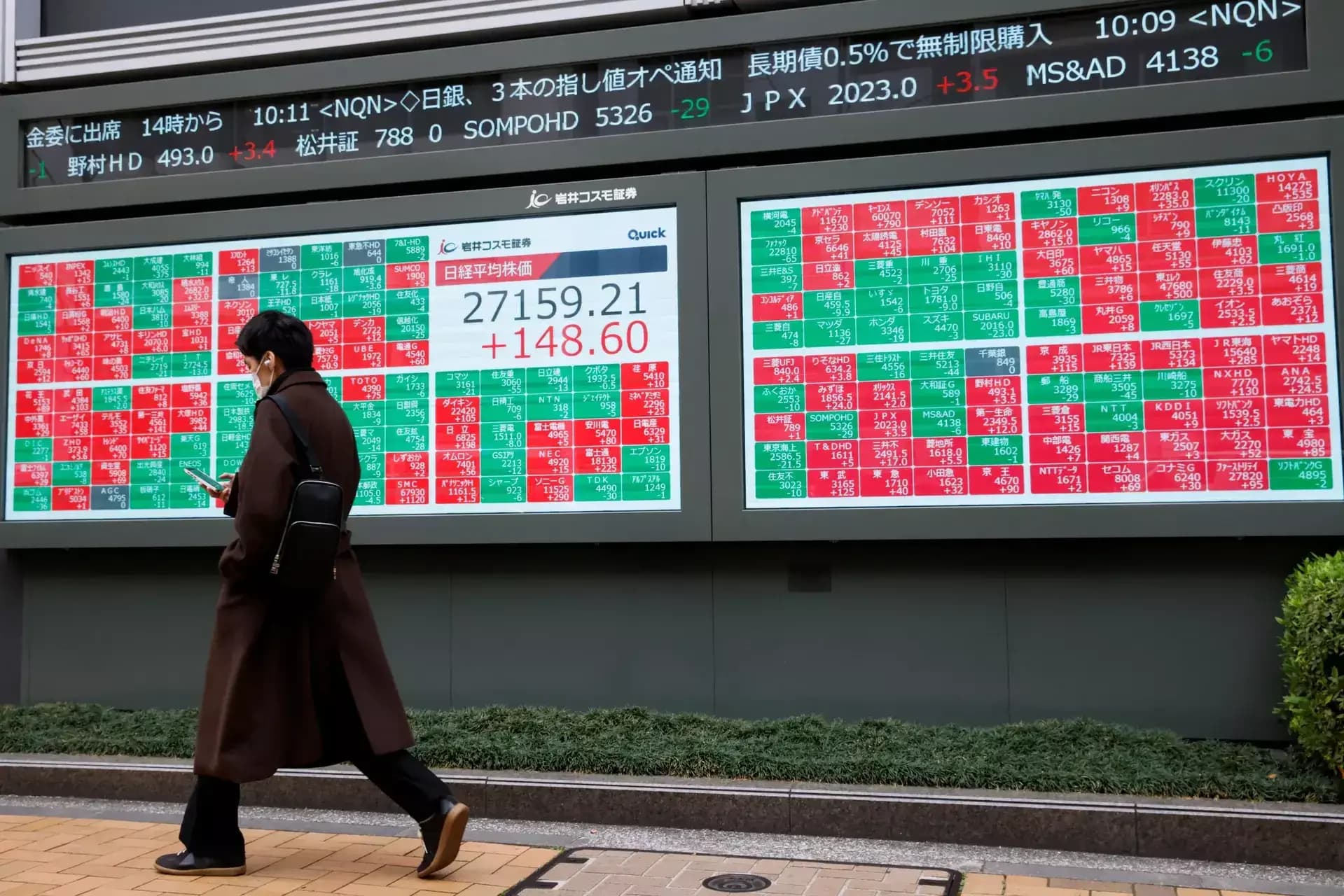
Japan's Nikkei 225 index surged past 72,000 for the first time, closing at 72,690 with a 2.02% gain after touching an intraday record peak of 72,269.64. According to The Business Times, the broader Topix also advanced 1.32% to 4,098. The benchmark climbed for an eighth-straight session, marking its longest winning streak in more than three years. There were 146 advancers against 75 decliners in the Nikkei 225, indicating broad-based market participation. Nonferrous metals led Topix sector gains, up 7.57%, followed by electric appliances and glass & ceramics products, which rose 2.08% and 2.05% respectively, while real estate shares were among the laggards, down 1.07%.
The market surge was primarily fueled by continued euphoria over AI investment opportunities. As reported by The Business Times, AI-related companies are once again playing a leading role in driving the market. J.Front Retailing led gainers with a 16.24% surge after activist investor 3D Investment Partners took a 5.10% stake in the department store operator. Yaskawa Electric traded up 9.02% and robot maker Fanuc gained 8.10%. Toto shares soared 11% to a record high following reports that the bathroom fixtures maker will invest 80 billion yen over the next five years in its semiconductor manufacturing equipment components business. Among the strongest performers were Furukawa Electric, Murata Manufacturing, JX Advanced Metals, Ibiden, and SoftBank Group, according to Business Standard. According to Wataru Akiyama, an equities strategist at Nomura Securities, "AI-related companies are once again playing a leading role in driving the market."
U.S.-Iran peace talks made significant progress with Qatar and Pakistan, mediators in the negotiations, confirming that the U.S. and Iran agreed to a roadmap toward a final deal within 60 days. According to The Business Times, this development provided additional support to the market rally. Market sentiment was further boosted by a decline in oil prices after the US and Iran agreed on a framework to work toward a final agreement within 60 days, easing concerns about potential disruptions linked to tensions in the Middle East. The positive diplomatic developments contributed to the overall optimistic sentiment driving Japanese equities higher. However, as noted by Wataru Akiyama, an equities strategist at Nomura Securities, "A high level of vigilance regarding developments in the situation in Iran and the Middle East is likely to persist."
Prime Minister Sanae Takaichi's administration plans to set a target of about 370 trillion yen ($2.29 trillion) in public and private investment in strategic sectors including AI and chips by 2040. As reported by The Business Times, this substantial government commitment is boosting investor confidence in the technology sector. The focus on AI and semiconductor manufacturing represents a significant policy shift toward future-oriented industries, further supporting the market rally driven by AI enthusiasm.
Investors are looking ahead to Japan's latest PMI data and the Bank of Japan's Summary of Opinions for further insight into the economic outlook following the central bank's recent interest rate hike. Despite the strong performance, some analysts warn of potential market overheating. According to The Business Times, Wataru Akiyama, an equities strategist at Nomura Securities, noted that there are signs the Nikkei is "overheating." The largest losers were Taiyo Yuden, down 3.37%, followed by Tokyo Electric Power, 3.05% lower, and Obayashi, which lost 2.99%. A technical indicator, the 14-day relative strength index, stood at 73, above the 70-mark, indicating that shares may have risen too fast and are poised for a reversal.