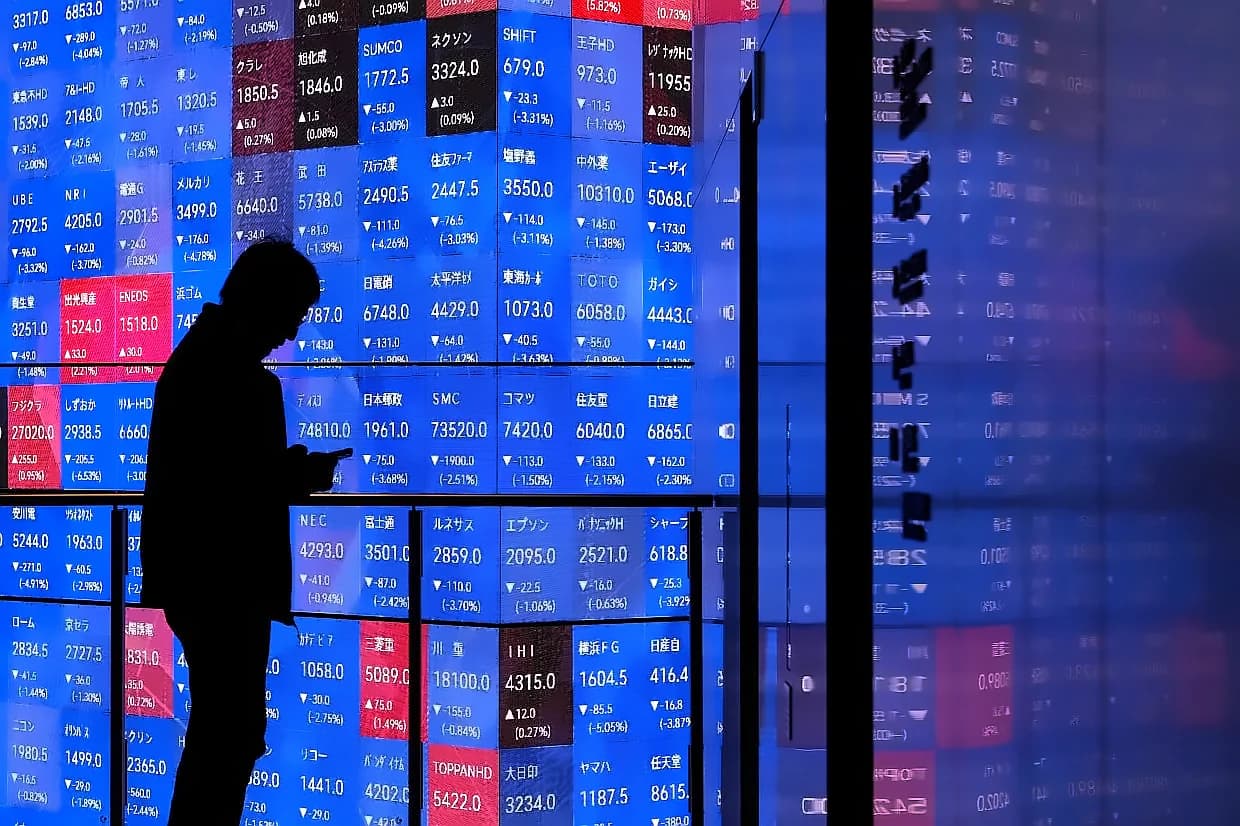
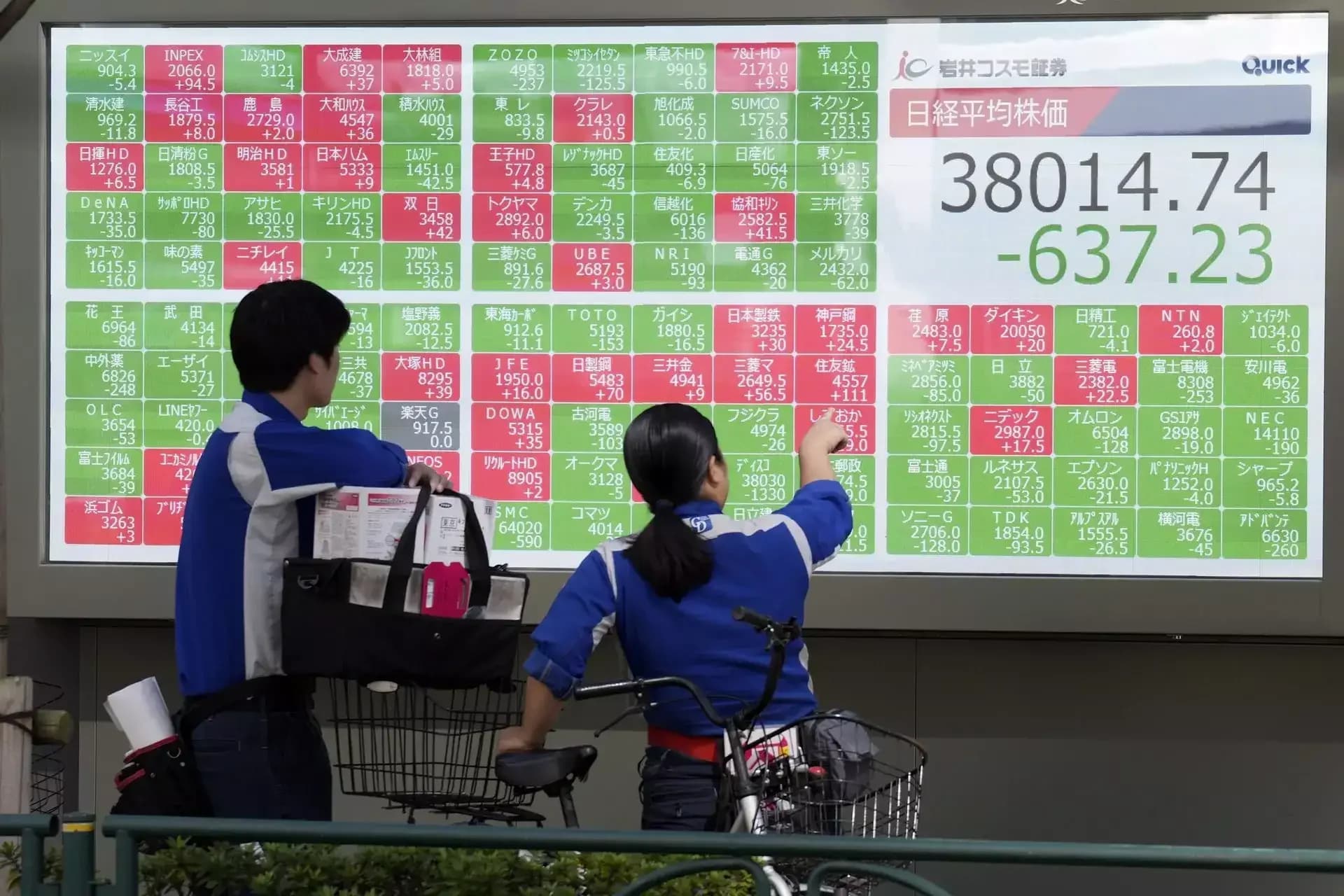
The Nikkei 225 opened sharply higher on July 1, surging for a third consecutive day with a gain of 711 points to 70,774, as Tokyo followed through on the prior day's US market momentum. The index extended gains after the open, firmly holding above the psychologically significant 70,000 level, with the yen-denominated settlement price of Chicago Nikkei 225 futures reaching 71,250, a premium of 1,060 points compared to the Osaka exchange settlement. The sustained rally reflects persistent demand for semiconductor stocks, driven by expectations of expanding AI-related demand, with large-lot buy orders believed to be from overseas investors observed intermittently during the current uptrend. The market has now surged more than 1,700 points to trade above 71,700, showing signs of stabilizing though the upward move remains exceptionally strong, according to latest market data.
AI-related shares that have underpinned the Nikkei's recent rally remained firm, with Taiyo Yuden topping the blue-chip index with a 13.4% jump, while Sumco, a leading supplier of silicon wafers for semiconductors, gained 11.3%. Ibiden, a semiconductor packaging and electronics firm, rose 9.8%, continuing the strong performance across the technology spectrum. Kioxia Holdings is continuing its upward momentum, supported by the rise in US technology stocks, with SanDisk rising nearly 11% following strong US tech performance. Tokyo Electron has reached a new high, as investors welcomed the rally in US technology stocks, while Joshin has surged sharply following a restructuring report in the July issue of monthly magazine 'Sentaku'. Marusan Securities maintained its 'Buy' rating and raised its target price from ¥14,100 to ¥16,900, citing expectations that data center-related products will continue driving earnings growth through overseas expansion and enhanced production capacity.
Japan's Ministry of Economy, Trade and Industry announced on July 30 that it had selected a consortium including SoftBank's telecom subsidiary and other firms as recipients of a support program worth up to 1 trillion yen. The consortium includes Honda Motor (7267.JP), NEC (6701.JP), Sony Group (6758.JP), and other major companies. SoftBank Group's role is likely to be increasingly recognized in the development of next-generation domestic AI infrastructure, with government-industry initiatives aimed at realizing AI infrastructure gaining attention as potential near-term catalysts. Arm Holdings (ARM.US), the UK-based semiconductor design firm under SoftBank's umbrella, is also entering a rebound phase, serving as a positive catalyst for the broader AI ecosystem.
The yen's weakening trend has continued, with trading in the 162-yen range against the dollar providing a tailwind for export company earnings forecasts, while also raising awareness of potential squeeze on domestic demand-oriented companies' profits through rising import costs. In the Tokyo foreign exchange market, the dollar traded in the mid-162 yen range and the euro in the mid-185 yen range as of 9:02 a.m., with the currency move serving as a supportive factor for export sectors including automobiles and electronics. Market voices note that "expectations of a gradual pace of Bank of Japan monetary policy normalization are fueling yen weakness," according to a currency analyst. However, the relentless rise in the dollar was also worrying Wall Street, as it pushed the yen to a 40-year low, prompting talk of intervention by Japan, with HSBC warning the greenback's rally could become "explosive" if the Federal Reserve hints it's prepared to tighten policy.
With the Nikkei 225 trading clearly above the 70,000 level, market sentiment has tilted bullish, though the rapid ascent over a short period has raised concerns about overheating. From a technical perspective, "the deviation from the 75-day moving average is widening, and the possibility of entering a short-term correction phase cannot be ruled out," according to a technical analyst. However, the prevailing view is that the medium-to-long-term uptrend remains intact, supported by corporate earnings growth expectations and continued overseas capital inflows. Market participants note that "the AI-related capital investment cycle is still in its early stages, and there is significant room for earnings growth at related companies," according to an asset management fund manager. By sector, metal products, electrical equipment, and machinery stocks are advancing, while real estate, non-ferrous metals, and fisheries/agriculture/forestry sectors are declining, with mixed sentiment across different sectors.