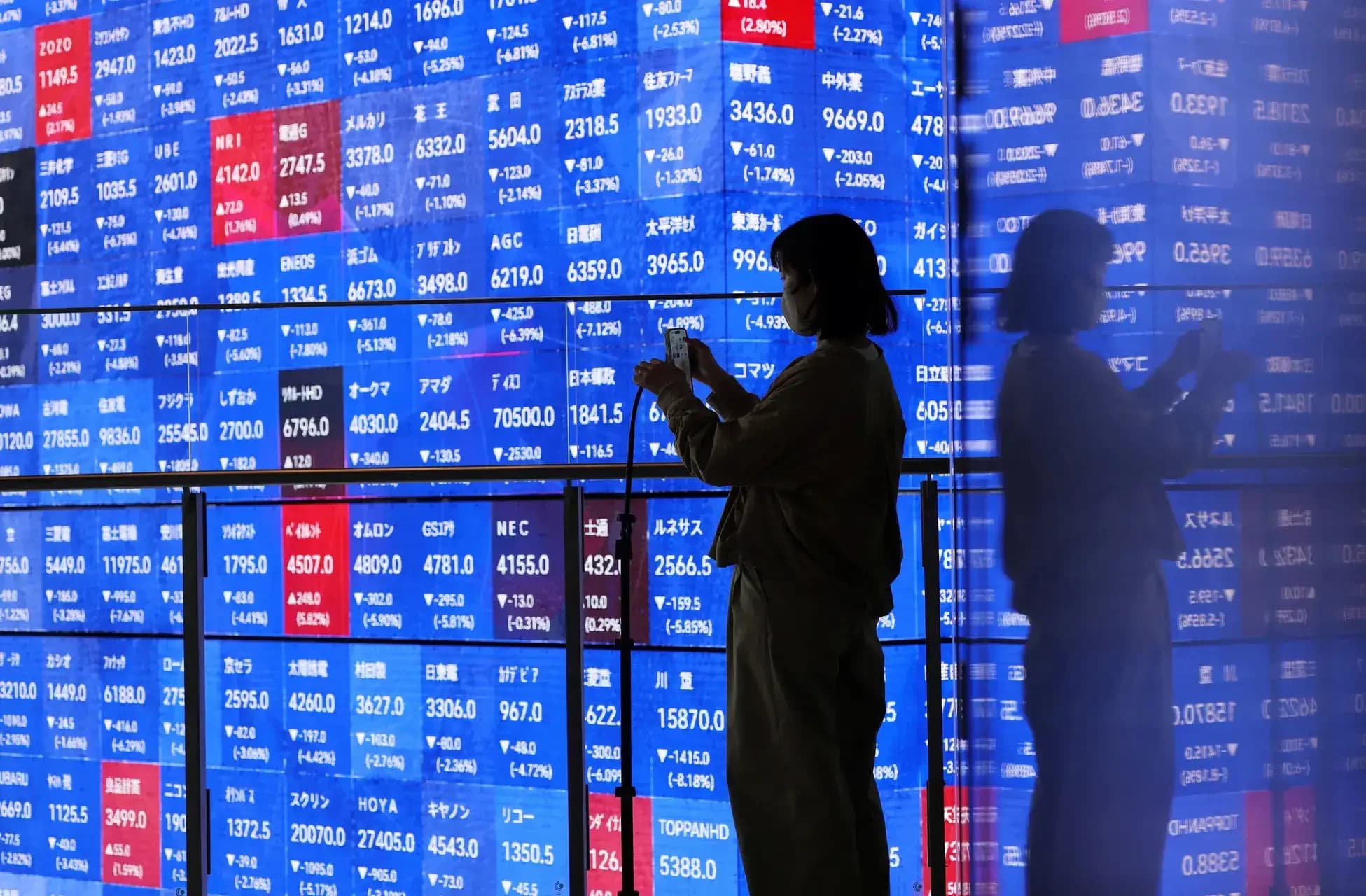
Japanese shares extended losses for a third consecutive session, with the Nikkei 225 declining 1.06% to 68,308.92 and the Topix dropping 0.24% to 4,081.62. According to The Economic Times, the latest decline was driven by AI-sector concerns, elevated global borrowing costs and rising oil prices that dampened investor sentiment. The Nikkei is now on track for a modest weekly loss, building on Tuesday's session when the index had risen 0.2% and Monday's strong performance that saw the index climb 2.53%. Market breadth showed 112 constituents advancing, 110 declining and three remaining unchanged, indicating a marginally positive trend despite the overall decline.
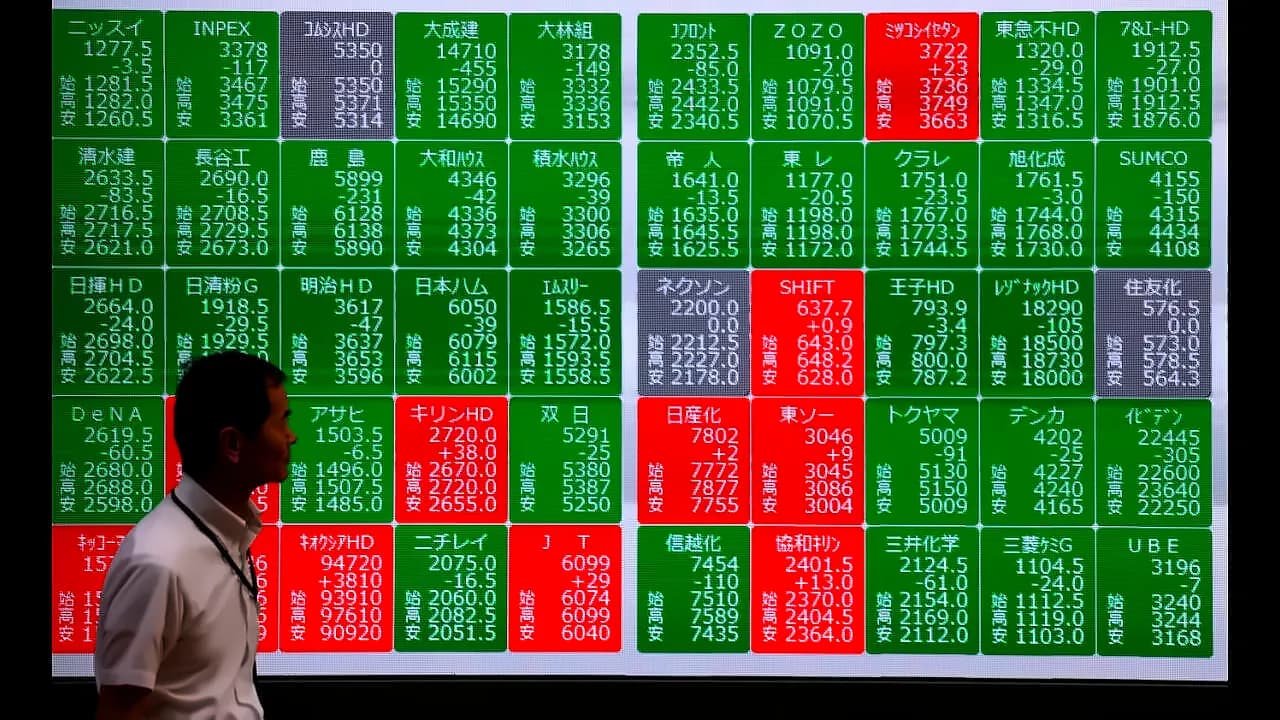
AI-related and technology stocks were among the weaker performers as Japanese shares tracked overnight losses on Wall Street, where technology stocks came under pressure following a Financial Times report that OpenAI's annualised revenue was $20 billion below what the company had previously indicated. According to Reuters, this report reignited concerns about the sustainability of the AI investment boom, with SoftBank Group leading losses, falling 5.40% as the company is a major investor in OpenAI. Furukawa Electric declined 4.83% and Murata Manufacturing lost 4.68%, while chipmaker Rohm fell 3.5% and Yaskawa Electric lost 2.6%. The divergent performance reflects selective buying interest as investors balance AI sector opportunities against broader market concerns.
Japan's domestic economic data added to investor concerns as household spending fell 3.1% year-on-year in August, highlighting continued pressure on consumer demand amid persistent inflation. According to Reuters, Japan's domestic economic data added to investor concerns as the Bank of Japan on Thursday flagged the spread of cost-driven price increases across consumer goods, reinforcing expectations that the central bank could raise interest rates further this year. The 10-year Treasury yield sits near 5.25%, close to a two-decade high, after the Fed's first rate hike in three years, adding pressure on risk-sensitive assets including Japanese equities.
Nomura Research Institute emerged as the biggest percentage gainer, rising 5.13%, while Baycurrent advanced 3.97% and Shift gained 3.92%. According to The Economic Times, Kubota remained the biggest percentage loser, falling 7.42%, followed by Komatsu, which declined 7.2%. Machine-tools maker Okuma dropped 4.67%, while cybersecurity software company Trend Micro gained 5.79%. The divergent performance across sectors reflects the current market uncertainty, with investors awaiting corporate earnings from Fast Retailing and Seven & i Holdings scheduled to report results after the market close.
Elevated borrowing costs in the euro zone, driven partly by surging oil prices and concerns over France's fiscal position, also weighed on global risk appetite according to Reuters. Japan's bond market came under significant pressure with the 30-year government bond yield climbing to a record 4.235% on Monday, as market players awaited remarks from Prime Minister Sanae Takaichi at the opening of an extraordinary parliamentary session. Investors are now awaiting the results of a 10-year Japanese government bond auction later on Tuesday, with Japanese government bond yields climbing to multi-decade highs amid concerns over Takaichi's expansionary fiscal policies.