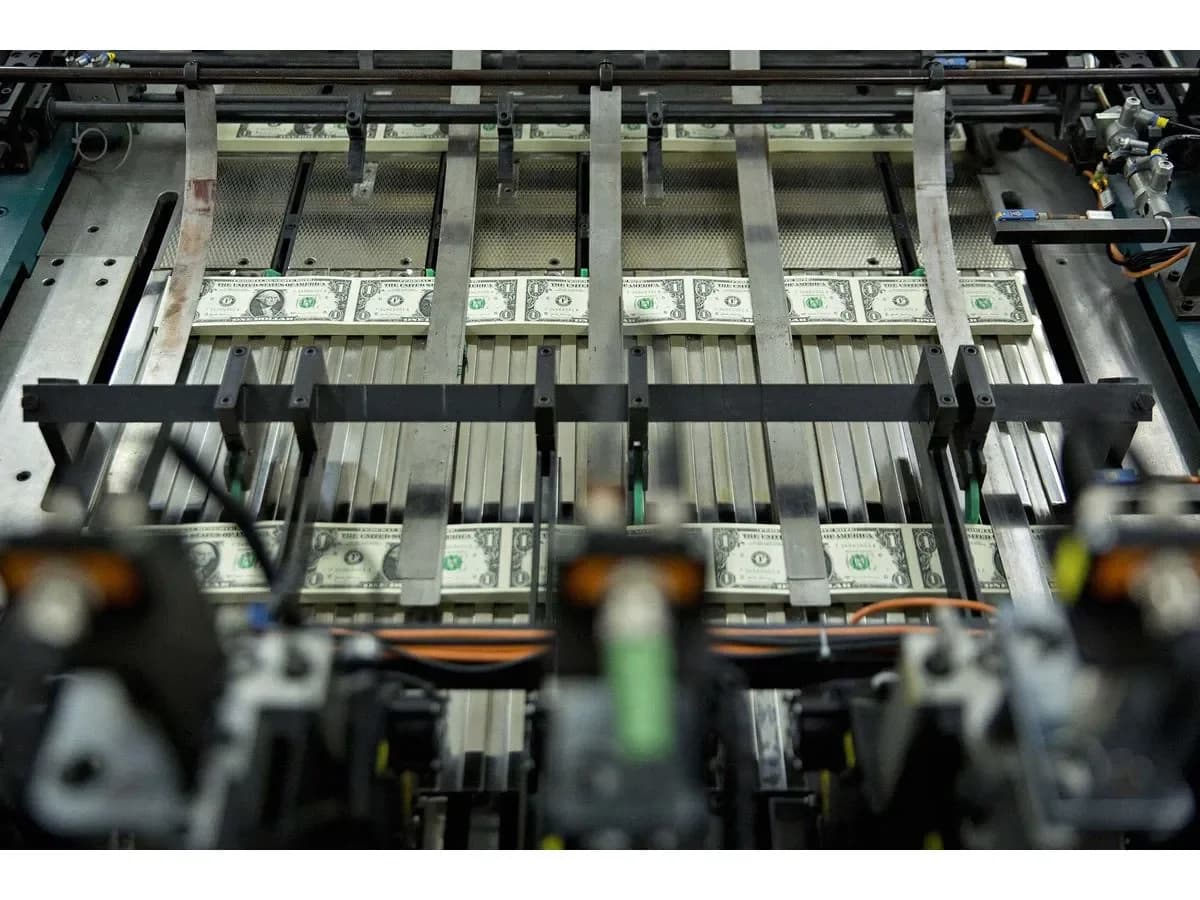
The Japanese yen is experiencing a significant rally as anticipation grows for an interest rate hike from the Bank of Japan, causing turmoil in the once lucrative yen carry trade. The yen firmed to its strongest level since February at 152.89 per dollar on Tuesday, in a quick reversal from around 160 less than a week earlier, stoking worries about another bout of intervention. Cross-border yen loans are hitting all-time highs, with the yen marching almost 5% higher so far in September against carry trade favourites like the Mexican peso and Turkish lira. 3-month implied volatility for dollar/yen has jumped to its highest in six months, and seen its biggest week-on-week jump in two years, as reported by The Economic Times. The dramatic surge points to stop-loss orders being triggered around certain levels, with traders increasingly pricing in a more hawkish BOJ path.
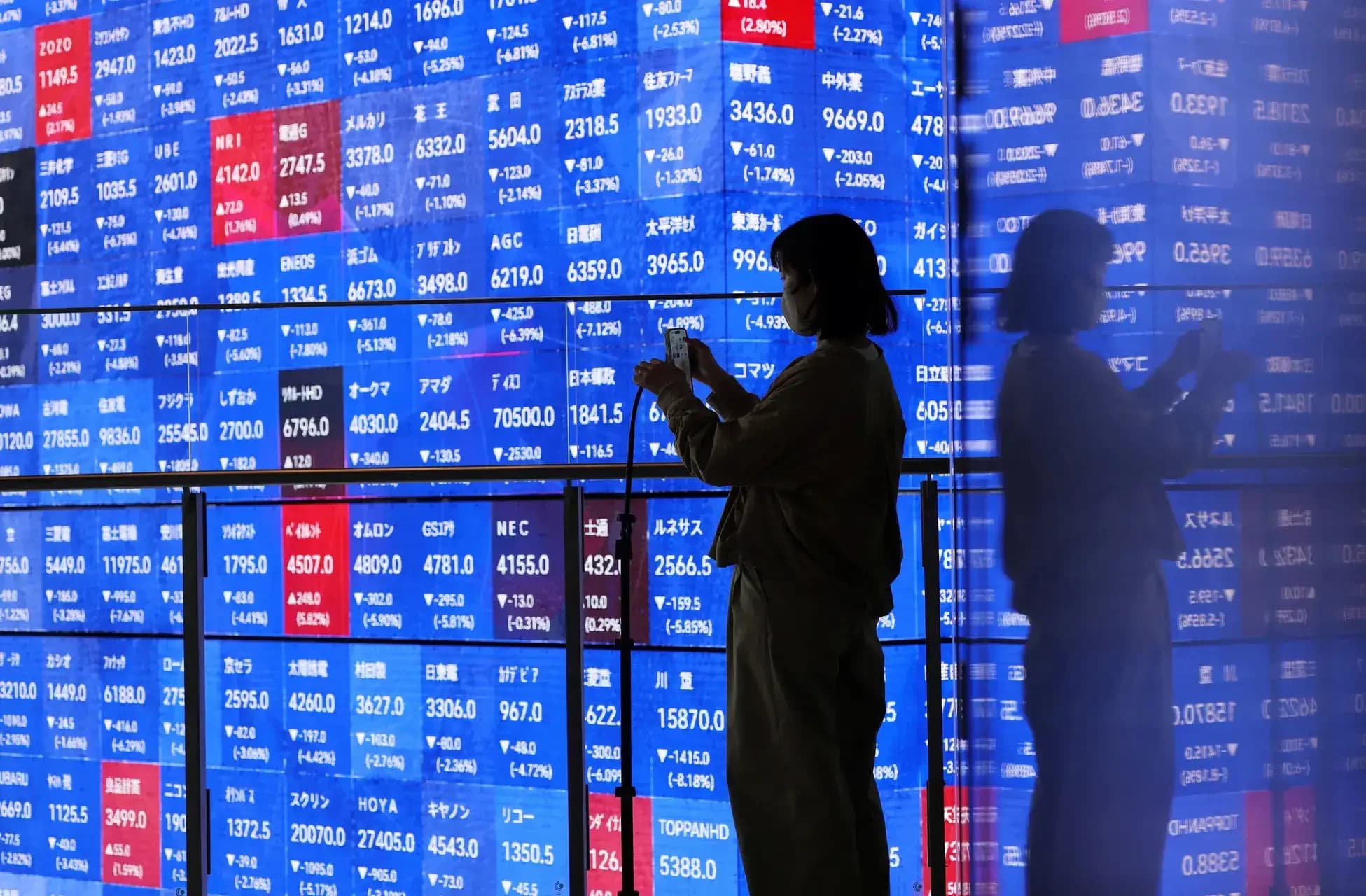
Japanese shares showed mixed performance on Tuesday as investors balanced stronger domestic economic data against a firmer yen and rising expectations of a Bank of Japan rate hike. The benchmark Nikkei 225 gained 0.31% to 66,608.42 in early trading, while the broader Topix slipped 0.51% to 4,104.89. According to Reuters, with U.S. markets closed for a holiday on Monday, trading cues were limited, leaving investors focused on domestic economic indicators. Market breadth on the Nikkei remained weak, with 57 stocks advancing, 163 declining and five unchanged, as reported by The Economic Times. However, the stronger yen weighed on export-focused stocks as it can reduce overseas earnings when converted into yen, contributing to the overall market decline.
Revised data released on Tuesday showed Japan's gross domestic product grew at an annualised 1.4% in the second quarter, up from the preliminary estimate of 1.1%, providing positive momentum for the economy. According to data from Japan's Cabinet Office, on a quarter-on-quarter basis, Japan's economy grew 0.4%, matching economists' expectations and exceeding the initial 0.3% estimate. The upward revision was largely driven by capital expenditure, which declined 0.9% compared with the preliminary estimate of a 1.2% contraction, with economists having expected a 0.8% decline. Private consumption, which accounts for more than half of Japan's economy, remained unchanged from the previous quarter, while external demand contributed 0.5 percentage point to overall GDP growth, unchanged from the preliminary reading.
Wage data released on Tuesday provided another positive signal for household purchasing power, with inflation-adjusted real wages rising 2.4% in July from a year earlier, marking their strongest increase since May 2021 and extending the streak of annual gains to seven months. This stronger-than-expected domestic economic data has helped offset some concerns about the yen's appreciation and expectations of monetary policy tightening. Recent corporate spending data also pointed to underlying resilience in business investment, with Japanese companies increasing spending on plant and equipment by 1.6% in the second quarter from a year earlier, as reported by The Economic Times. July wages recorded their fastest growth since 1997, providing additional support for the economic outlook.
Markets are now pricing in a high probability of another Bank of Japan rate increase, with swap rates indicating a 97% probability that the BOJ would raise its policy rate by 25 basis points to 1.25% at its September meeting, up from 52% a month ago according to Tokyo Tanshi data. Traders are also fully pricing in another increase to 1.5% by the January policy meeting, with the odds standing at 27% for October and 61% for December. The Bank of Japan raised its policy rate to 1% in June, its highest level in 31 years, as it continued to move away from its ultra-loose monetary policy. The dramatic yen surge reflects early hints of capital repatriation and expectations of a faster pace of monetary tightening by the BOJ along with U.S. pressure, as noted by analysts. Citi's FX sales desk said market expectations are running too high as the BOJ is unlikely to want to repeat the summer of 2024.