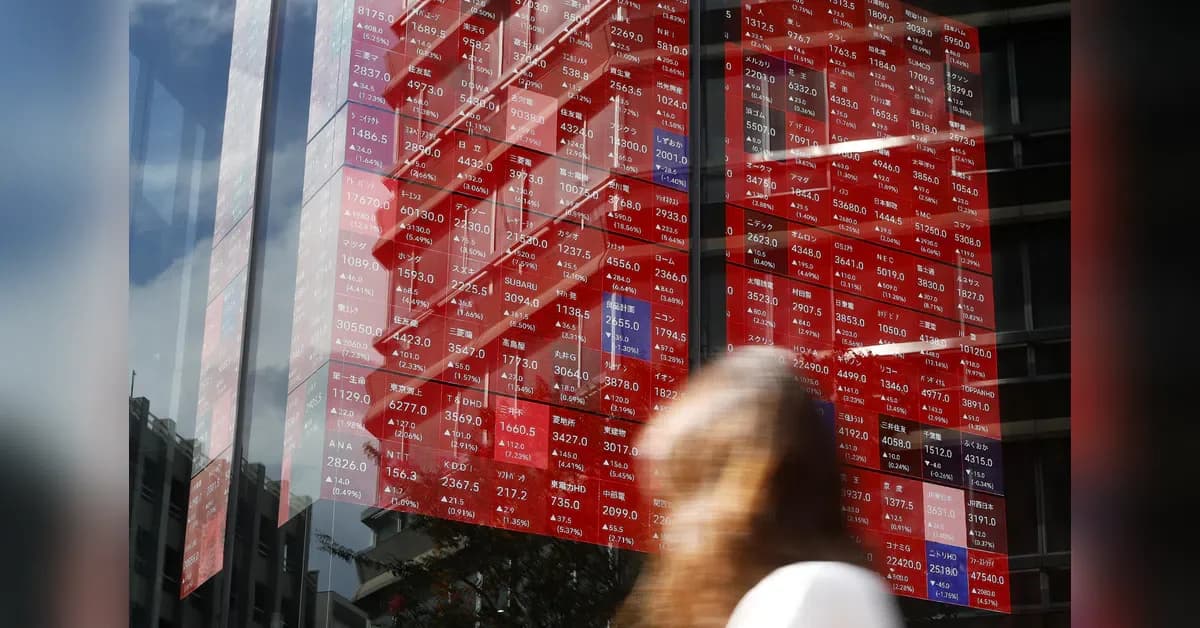
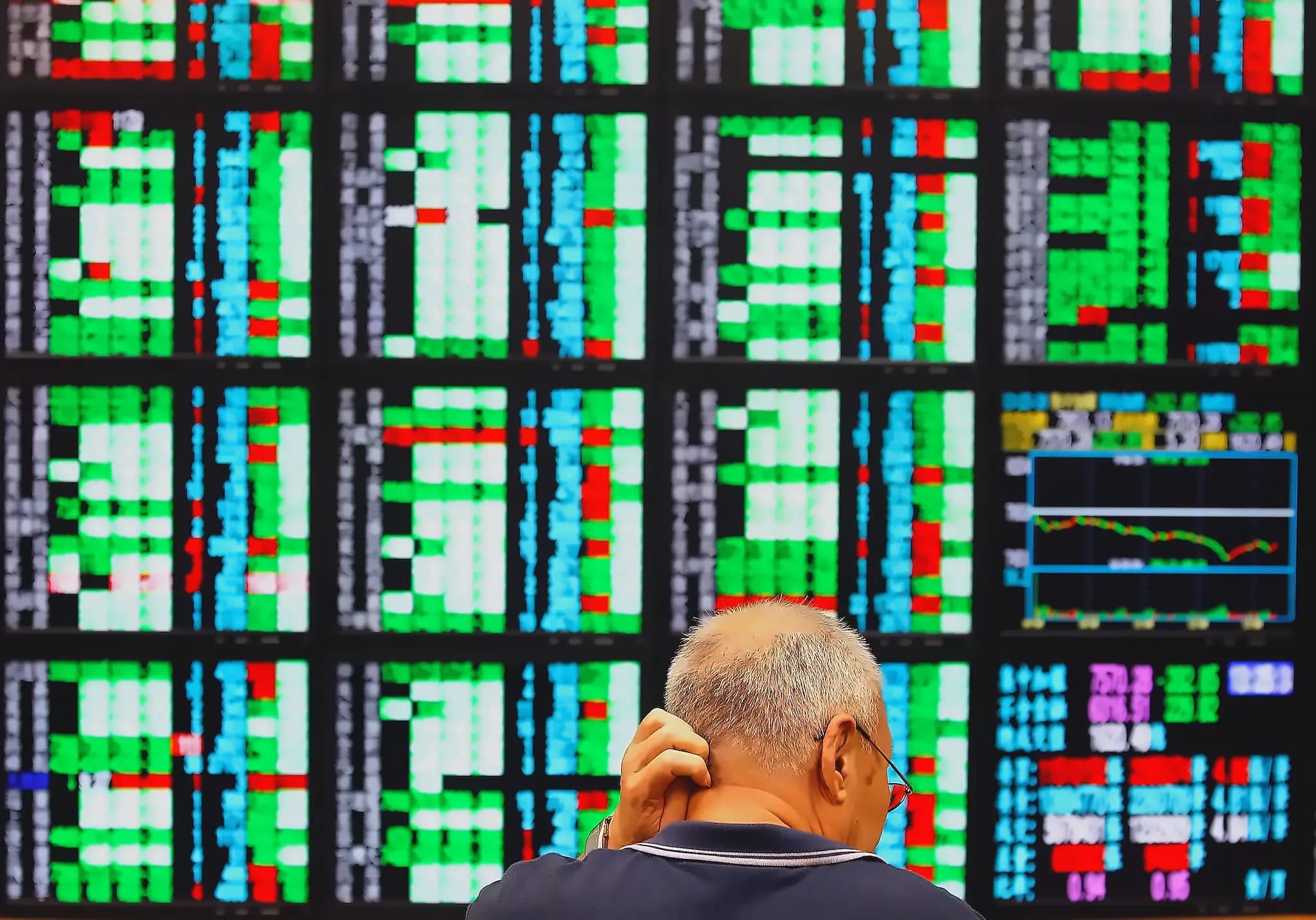
Asian markets demonstrated resilience on Wednesday, with the MSCI Asia Pacific Index rising 0.7% to an all-time high, as investors doubled down on the artificial-intelligence trade that has powered global equities to record highs. According to The Hindu BusinessLine, Japan's Topix gained 1.8% and Australia's S&P/ASX 200 advanced 0.7%, while Taiwan's benchmark gauge surged 1.8% to a record high with Taiwan Semiconductor Manufacturing Co. climbing to a peak. The rally was supported by positive sentiment from Wall Street, where the S&P 500 and Nasdaq 100 hit record highs, with an index of chipmakers rising nearly 6%. Hong Kong's Hang Seng fell 1.6%, indicating mixed regional performance. Investors piling into AI-linked stocks have propelled global equities to record highs, with hopes for a deal to end the war that has rattled markets worldwide providing an additional boost.
Attention remained focused on the Strait of Hormuz after U.S. Secretary of State Marco Rubio said Iran had mined parts of the strategic waterway. As reported by NDTV Profit, Rubio told the Senate Foreign Relations Committee on Tuesday that "They're firing on commercial ships and they've mined large segments of Hormuz — international waters." The Strait of Hormuz handles about 20% of global oil shipments, making it one of the world's most important energy transit routes. In commodity markets, Brent crude rose 1% to $97 per barrel on pessimism over the prospects of the US and Iran reaching a peace deal, with West Texas Intermediate crude rising 1% to $94.70 per barrel. The U.S. Central Command said American forces intercepted multiple Iranian ballistic missiles and drones and carried out self-defence strikes on Qeshm Island after what it described as attempted attacks by Iran across the Middle East on June 2.
Asian markets took cues from another positive session on Wall Street, where technology shares linked to artificial intelligence continued to attract investors. According to The Hindu BusinessLine, the S&P 500 and Nasdaq 100 hit record highs, with an index of chipmakers rising nearly 6%. Technology remained in focus with SpaceX seeking $135 a share for a $75 billion initial public offering, as reported by Reuters. Marvell Technology Inc. shares surged the most in 26 years after Nvidia Corp.'s Jensen Huang predicted that the semiconductor and networking company would be the next business to hit a $1 trillion valuation. The MSCI Asia Pacific Index climbed 0.7% following the S&P 500's record performance. "Tech continues to dominate the market," said veteran strategist Louis Navellier. "The trend remains positive, with the catalyst for further material gains possible with a resolution with Iran."
Investors in Asia also focused on Japan's currency ahead of remarks from Bank of Japan Governor Kazuo Ueda, looking for signals on the future path of interest rates. As reported by The Hindu BusinessLine, the yen traded near the 160-per-dollar level, a range closely watched by currency markets because of the possibility of intervention by Japanese authorities. According to The Economic Times, yen traders face a heightened risk of intervention over the next two weeks after Japan's currency defied historic attempts to prop it up. The currency focus comes as markets assess potential policy responses to current geopolitical uncertainties. The Bloomberg Dollar Spot Index was little changed, with the Japanese yen at 159.87 per dollar. Back home, Indian benchmark equity indices, the Sensex and Nifty 50, are likely to begin Wednesday's session on a weak note, with Gift Nifty trading near the 23,469 mark, about 134 points below the previous close of Nifty futures.
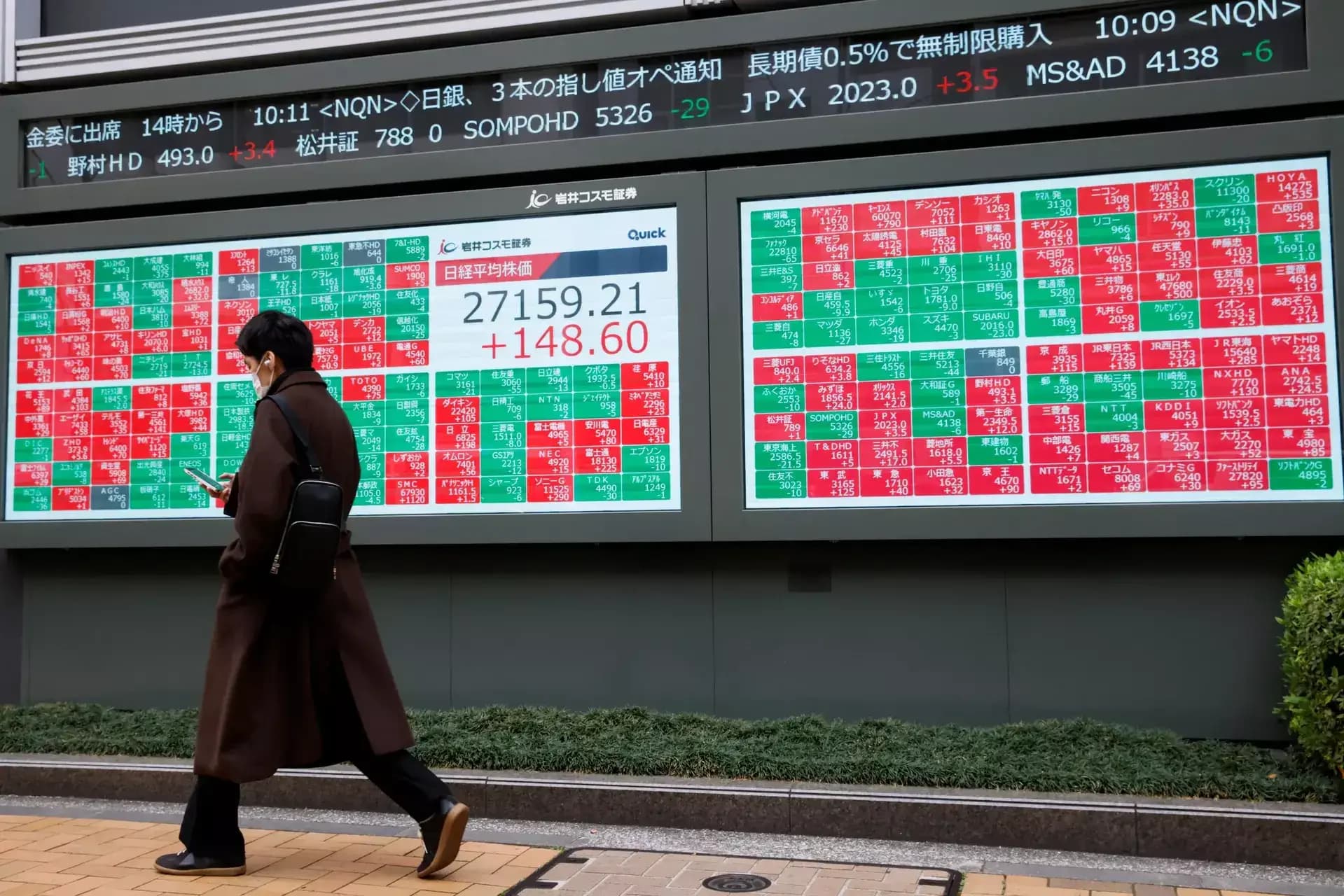
Despite ongoing tensions, U.S. President Donald Trump remained optimistic the US can reach an interim peace deal soon, disputing reports in Iranian state media that said talks with Washington had been suspended over the fighting in Lebanon. According to The Hindu BusinessLine, Trump stated that the two sides have been "continuously" having conversations, including today. Officials in Tehran are discussing their "final text" to send to the US," Iran's Mehr news agency reported. However, caution crept in as Brent crude rose 1% to $97 per barrel on pessimism over the prospects of the US and Iran reaching a peace deal and as fresh fighting flared up in the Middle East. "The jobs market continues to hold its ground," said Bret Kenwell at eToro. "There's hope that energy prices will retreat after a geopolitical charged surge in the first quarter, allowing the Fed to stay on hold while inflation eases in the second half of the year." The conflict has pushed crude oil prices sharply higher, reigniting inflation concerns and increasing expectations that the U.S. Federal Reserve may raise interest rates before the end of the year.