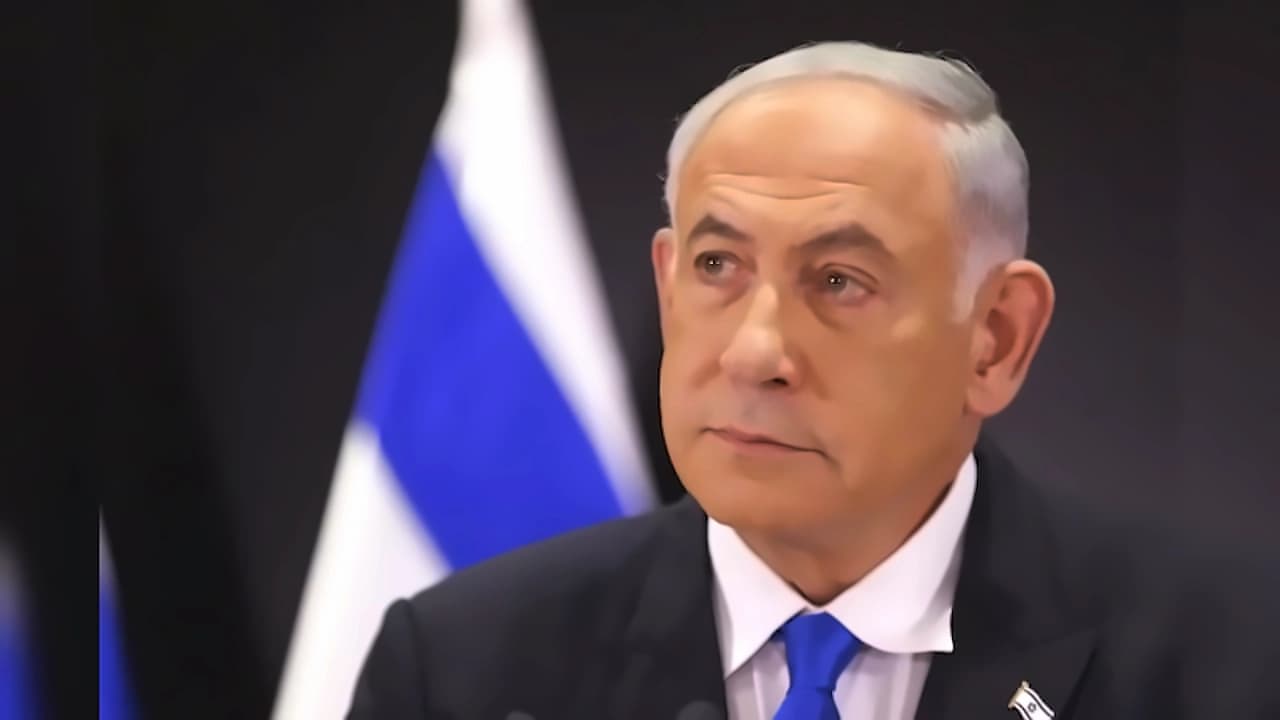
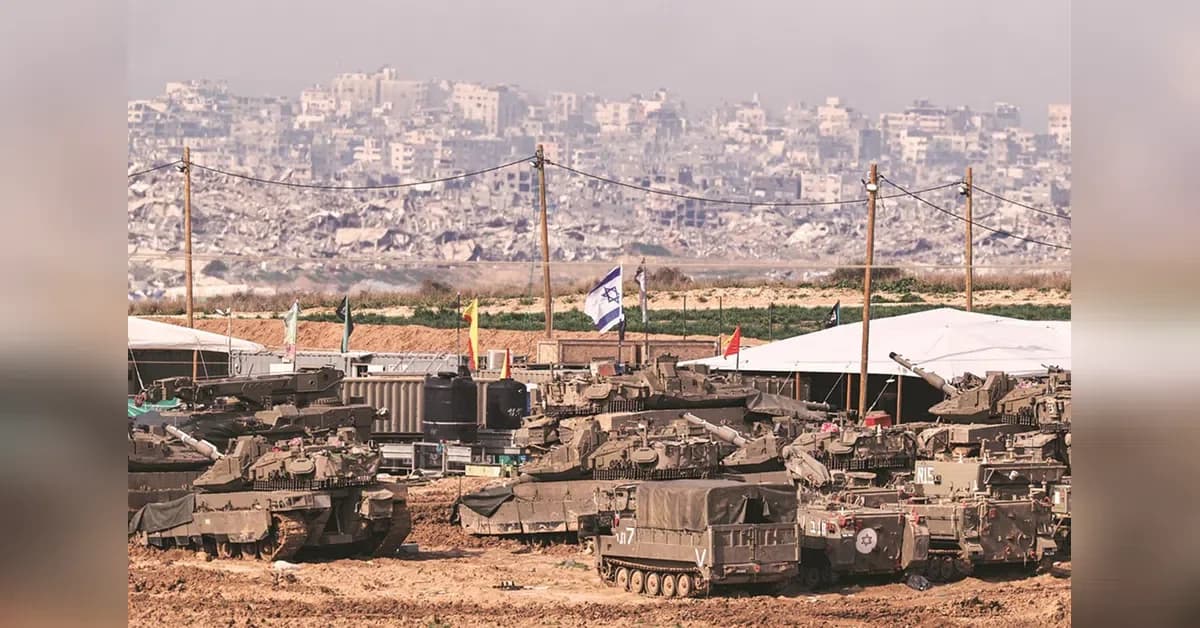
Despite the recent diplomatic breakthrough, Israel conducted strikes against military targets in western and central Iran on Monday, marking the first such action since the US announced a truce plan for Lebanon last week. According to Business Standard, Iran fired a salvo of missiles at Israeli targets in retaliation for an attack on Beirut's southern suburbs, prompting Israel's response. Iran's Revolutionary Guards said they had targeted Ramat David air base, near Nazareth, while the Israeli military confirmed it identified missiles launched from Iran and that its defence systems had intercepted them. The Israeli Air Force struck military targets belonging to the Iranian terror regime in western and central Iran as confirmed by the Israel Defense Forces. Several loud explosions were reported in Tehran, Tabriz and Isfahan, according to the state-run Mehr News Agency and state broadcaster IRIB. This escalation occurred after President Donald Trump said he would tell Israeli Prime Minister Benjamin Netanyahu not to strike back following Iran's retaliatory missile fire, with the attacks taking place despite Trump's appeal to Netanyahu not to retaliate, saying the Iran deal was very close.
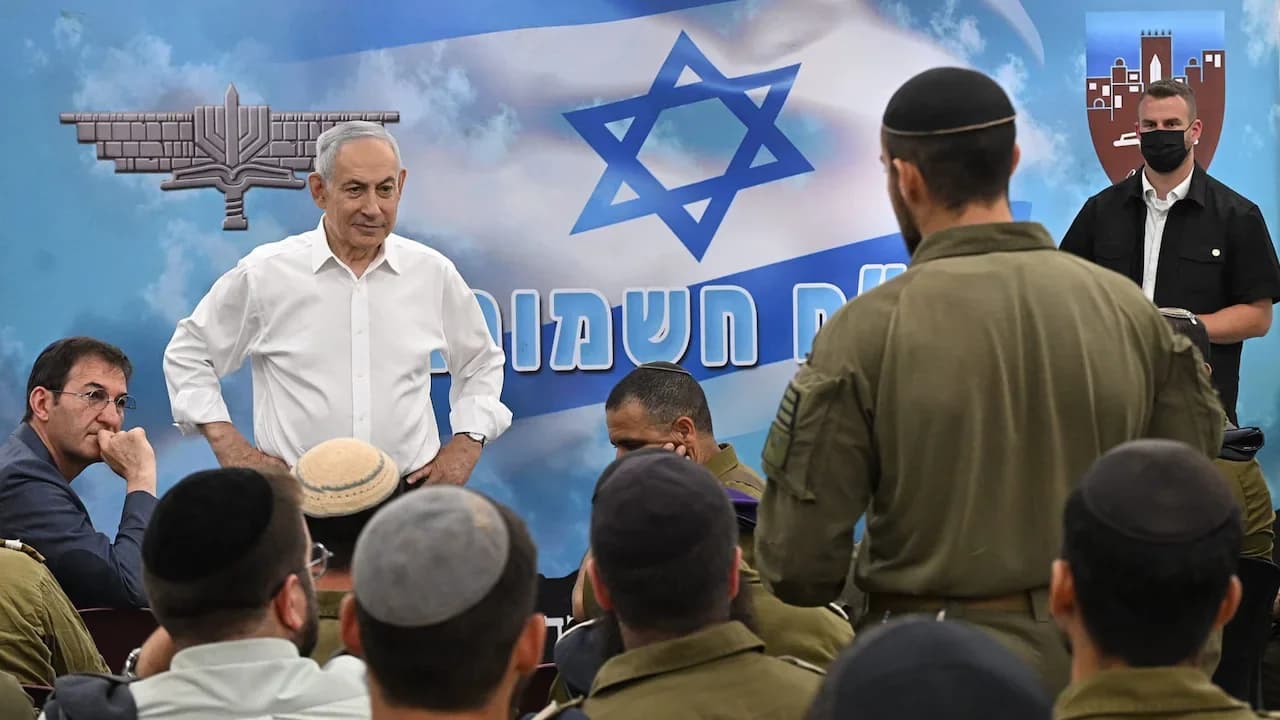
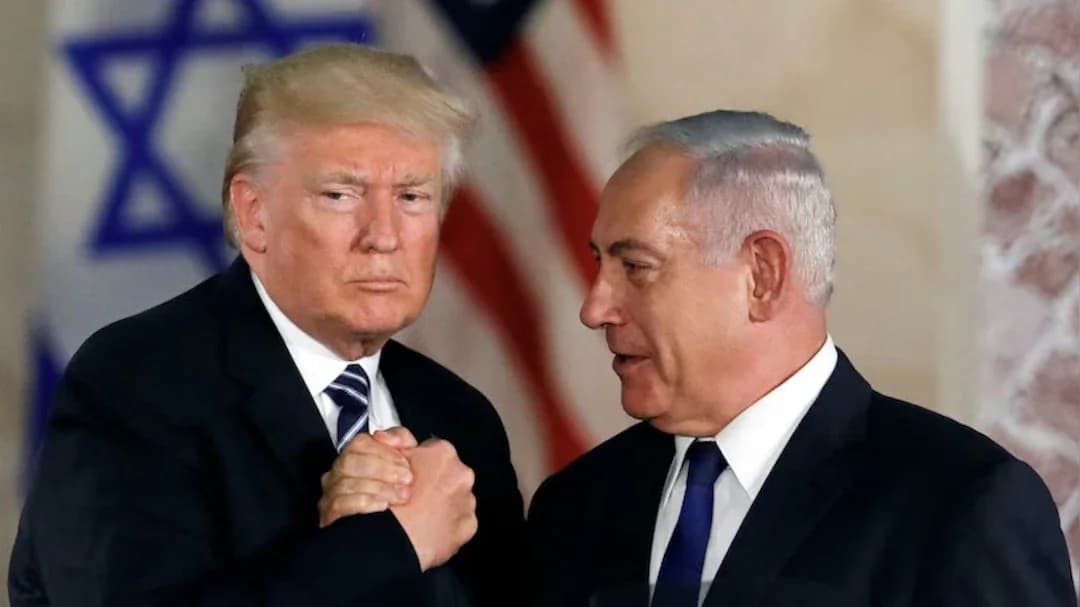
President Donald Trump announced on social media that 'Israel will not attack them, and they will not attack Israel' after speaking with Prime Minister Benjamin Netanyahu and indirectly with Hezbollah representatives. According to The New York Times, Trump wrote that negotiations were 'continuing, at a rapid pace, with the Islamic Republic of Iran' and that he had concluded that 'Israel will not attack them, and they will not attack Israel.' The Lebanese government confirmed it had 'received confirmation that Hezbollah had agreed to the U.S. proposal for a mutual cessation of attacks' as reported by The New York Times. This development came after Netanyahu had ordered Israel's military to attack the southern outskirts of Beirut, known as Dahiya, as part of the widening Israeli campaign against Hezbollah. The Israeli military had warned residents to evacuate the area, prompting thousands to flee, but no attack materialized several hours later.
Netanyahu pushed back during his discussion with Trump but ultimately 'pseudo agreed' to stand down, according to Axios, which quoted a US official familiar with the conversation. The report described Sunday's conversation as calmer than a tense exchange between the two leaders last week and said Trump did not raise his voice during the call. 'We think the president bought a little bit of time,' the official said, adding that 'He is pretty adamant that we are close to a deal with Iran.' In comments published Sunday by the Financial Times, Trump said Netanyahu would have to accept any agreement Washington reaches with Tehran. 'I call the shots. I call all the shots. He doesn't call the shots,' Trump said of the Israeli leader. 'We are in a moment in time — why jeopardize a potential deal when you are in the fourth quarter,' the official said, noting that 'The president thinks that we have been in this thing for three months — now is the time to end this thing.'
Iran had warned earlier that retaliation would follow any Israeli response, with Iran's Khatam al-Anbiya Central HQ Spokesperson stating: 'In case of the expansion of its attacks on that region or responding to Iran's action, it will face more crushing and regrettable blows and destructive attacks against the regime and its supporters will begin.' The Iranian Ministry of Foreign Affairs similarly cautioned that 'any malicious adventurism by the Zionist regime against Lebanon or Iran will be met with a crushing and comprehensive response.' Netanyahu emphasized his commitment to regional security, stating 'We must disarm Hezbollah and demilitarise Lebanon if we want to save Lebanon and achieve Lebanon-Israel peace — and I do want that.' He noted that 'We can disagree in the morning and find common ground by the afternoon,' describing their relationship as 'just like in the best of families.' The recent ceasefire agreement represents a significant achievement in achieving these regional security goals through diplomatic means rather than military action, though the latest Iranian response demonstrates the continued volatility of the situation.
Iran threatened to disrupt shipping through the Bab al-Mandab Strait if Israel intensifies its military campaign, according to Iranian state media. Ali Velayati, a senior adviser to Iran's Supreme Leader Ayatollah Ali Khamenei, said Tehran could move to block the strategic waterway through its regional allies if the conflict worsens. The Bab al-Mandab Strait is located between Yemen and the Horn of Africa and is a critical maritime chokepoint linking the Red Sea to the Gulf of Aden, carrying a significant share of global trade between Europe and Asia. 'The current security situation in Bab al-Mandab should not lead the enemy into miscalculation,' Velayati told Iran's Press TV. 'The choice is yours: stop this foolishness or enter a balanced equation for disciplining the two straits,' he said, in an apparent reference to both the Bab al-Mandab and the Strait of Hormuz. This escalation adds another front to a conflict that has increasingly drawn in regional actors, testing the fragility of the current ceasefire agreement.