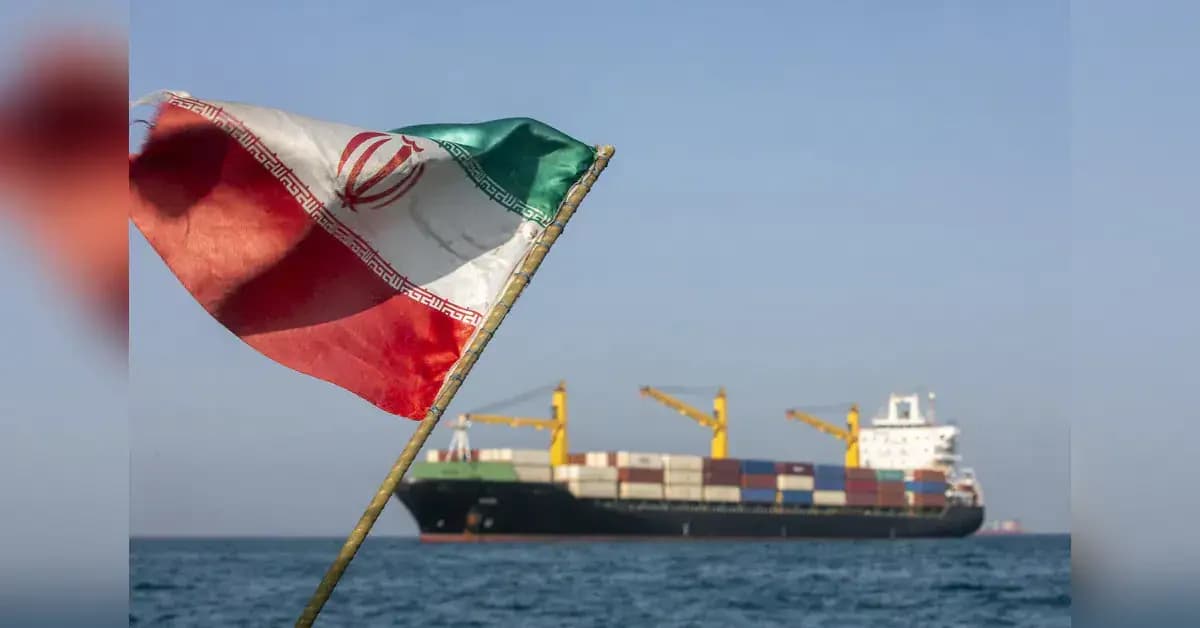
Iran has deployed its advanced third-generation Kheibar-Shikan ballistic missiles and jet-powered drones in a fresh overnight barrage against Israel, marking a significant escalation in the ongoing conflict between the two regional rivals. According to Tasnim News Agency, the Kheibar-Shikan missile was used during the latest operation targeting what Tehran described as strategic Israeli military and industrial infrastructure. The missile is considered one of the most advanced weapons in the IRGC's long-range arsenal and is designed to evade missile defence systems through maneuverability during its terminal phase. Brig. Gen. Mohbi of the IRGC stated that 'once again, we have demonstrated that the skies over the occupied territories and the region are under our control, dominated by the thunder of the IRGC Aerospace Force's devastating missiles'. Iranian media reported that the latest salvos targeted critical infrastructure, alternative command-and-control centres, and industrial hubs in Haifa and Tel Aviv, with independent verification of the extent of damage remaining limited.
The Kheibar-Shikan missile represents a significant advancement in Iran's military capabilities, featuring a reported range of 1,450 kilometres, weighing approximately 4,500 kilograms, and measuring 10 metres in length. Iranian officials claim its ability to alter its trajectory during descent enhances its chances of penetrating layered missile shields. The missile is part of Iran's newer generation of solid-fuel ballistic missiles and is viewed as a key component of Tehran's strategy to overcome advanced missile defence networks. Its maneuverability in the terminal stage makes interception more difficult compared with conventional ballistic missiles, representing a significant technological challenge for Israeli defence systems.
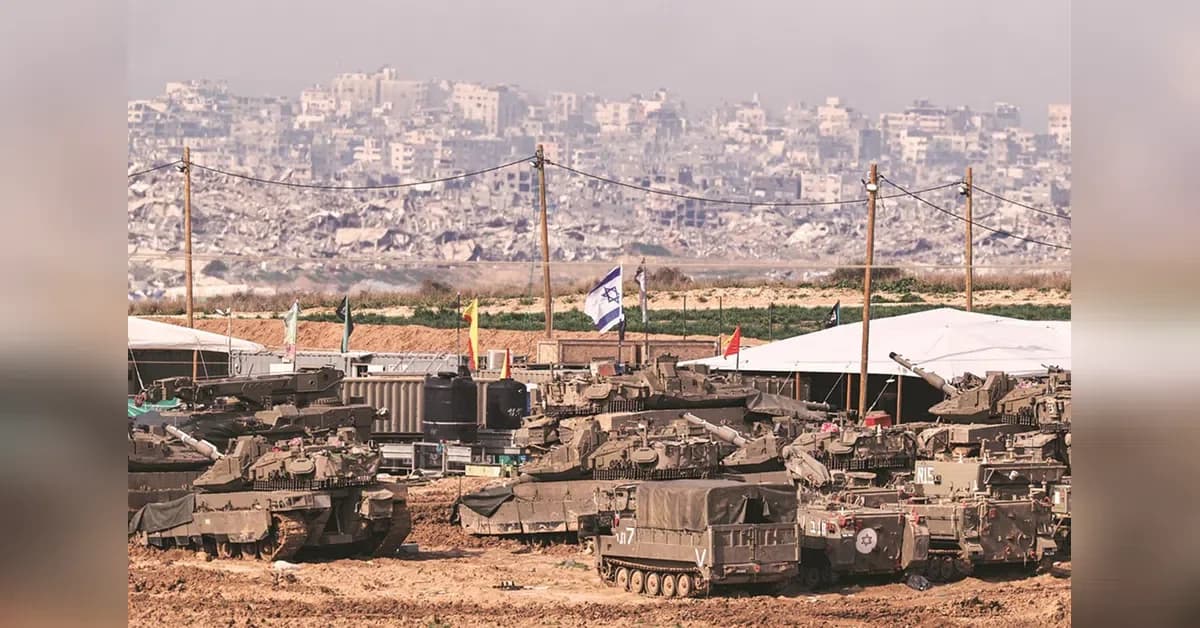
Israel announced the closure of crossings into Gaza on Sunday night following a spike in tensions with Iran, according to reports from CNN. The Coordinator of Government Activities in the Territories (COGAT) stated that the move is part of 'necessary security measures'. The closure specifically affects the Kerem Shalom crossing, which serves as the main entry point for humanitarian aid into Gaza. As per CNN, COGAT emphasized that adequate aid has already been delivered since the ceasefire began and stated that the measure 'will not affect the humanitarian situation' in the region. This follows a similar pattern from earlier in February when Israel closed Gaza crossings at the start of its conflict with Iran, though they were reopened a few days later. Meanwhile, Israel's ambassador to the United States Yechiel (Michael) Leiter confirmed that Israeli forces are now targeting Iranian surface-to-surface missile launch sites and infrastructure facilities as the IDF continued its strikes on Iran on Monday.
The Israeli military has deployed its most senior commanders to direct operations in real-time against Iran, as confirmed by the IDF. Major General Eyal Zamir, Chief of the General Staff, and senior IDF officers have been conducting ongoing situation assessments over the past hours and are commanding IDF strikes in Iran from the Air Force's operations room. The IDF stated it 'is alert and ready to continue operations across all sectors against anyone who threatens the State of Israel'. Ambassador Yechiel Leiter warned regarding Lebanon, stating that 'If Hizballah fires at Israel, its command centers in the Dahiya will be hit hard'. He also referenced Lebanon's domestic politics, noting that 'the people of Lebanon have rejected Iran's proxy, Hizballah (Hezbollah), and have told Iran to get out of their country'.
US President Donald Trump told Israeli Prime Minister Benjamin Netanyahu in a phone call to 'hold off on launching a retaliatory attack on Iran', according to a US official. Trump warned Netanyahu against escalating already-soaring tensions in the region, stressing his belief that a deal with Iran was near. Trump told The Financial Times that Netanyahu would have to accept any deal the US reaches with Iran because the Israeli prime minister 'doesn't call the shots.' Former Prime Minister Naftali Bennett criticized Netanyahu, calling this 'a moment of truth' and stating that Israel must show it is 'a sovereign state capable of defending itself.' Meanwhile, Iranian state-run media reported on Sunday that Tehran is threatening to block the Bab al-Mandab Strait, another vital maritime corridor in the Middle East, if Israel escalates its attack. The exchange marks one of the most intense rounds of direct Iran-Israel hostilities since the April ceasefire took place, with both sides showing no sign of standing down.