Israel's military struck targets throughout southern Lebanon overnight, killing at least 16 people in Israeli airstrikes and artillery attacks, according to Lebanon's state-run National News Agency. The attacks came as planned talks in Switzerland between Iran and the United States over their efforts to reach a permanent end to the Iran war were delayed. The strikes targeted multiple areas in the Nabatieh district and surrounding regions, including Tayr Debba, Deir Qanoun en-Nahr, Tyre, Kfar Sir, Harouf and Nabatieh, with nine people killed in Tayr Debba and three others died in Deir Qanoun en-Nahr. A separate strike on a mosque and clinic in Deir ez-Zahrani reportedly left at least three people dead, with several others injured and rescue teams searching for people feared trapped under collapsed buildings. The Israeli Defence Forces (IDF) claimed it struck more than 80 Hezbollah positions, including headquarters, rocket launch sites and other military infrastructure in southern Lebanon and the Bekaa region, with several Hezbollah fighters killed during the operation and a launcher used to fire rockets at Israeli forces destroyed.
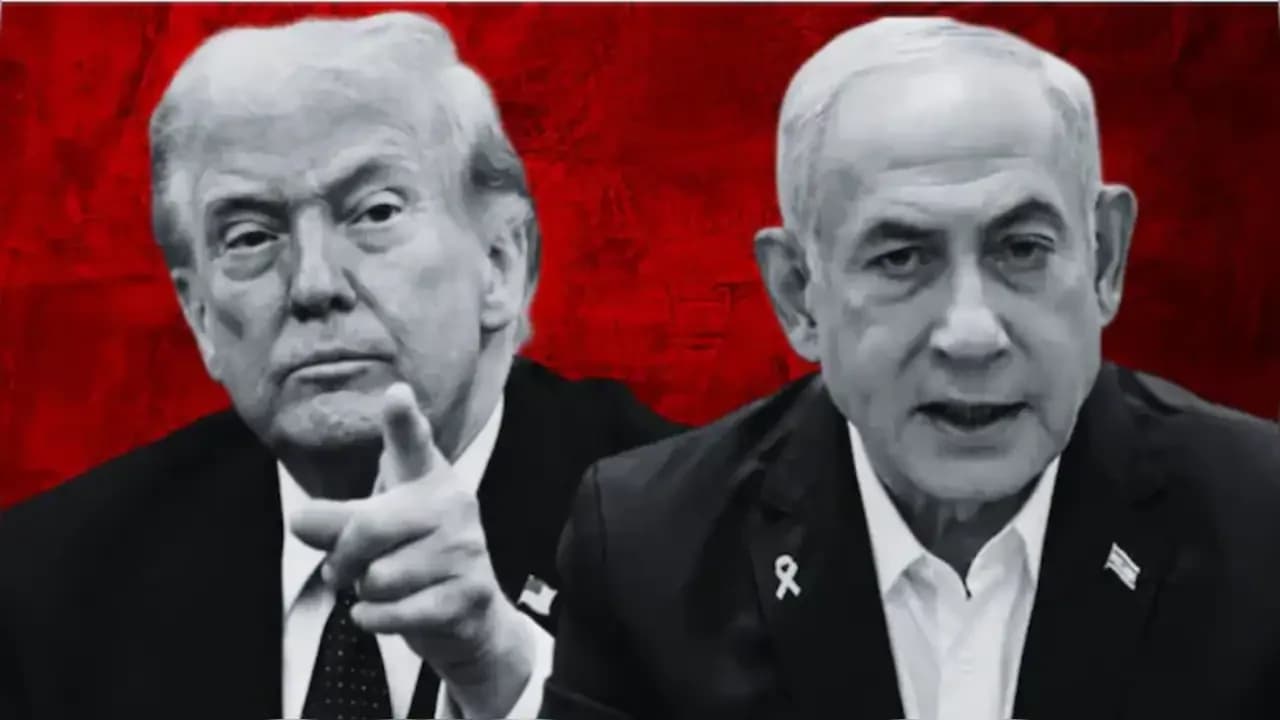
President Trump is turning up public pressure on Israeli Prime Minister Benjamin Netanyahu as the U.S. tries to finalize a deal with Iran. At the G7 summit in France, Trump said he was 'not happy' with Israel's handling of Lebanon and Hezbollah and warned Netanyahu to be 'more responsible with respect to Lebanon'. According to CBS News, the U.S.-Iran memorandum of understanding is expected to be signed Friday in Switzerland and could lead to another round of direct talks on Iran's nuclear program and other disputes. Trump's criticism underscores a strained moment in his relationship with Netanyahu, who last year called him the 'greatest friend Israel ever had in the White House', according to The Associated Press. The AP reported that Netanyahu has frustrated four U.S. presidents, but Trump has voiced that frustration more openly. Trump claimed credit for Israel's existence, saying 'Without me, there would be no Israel'.
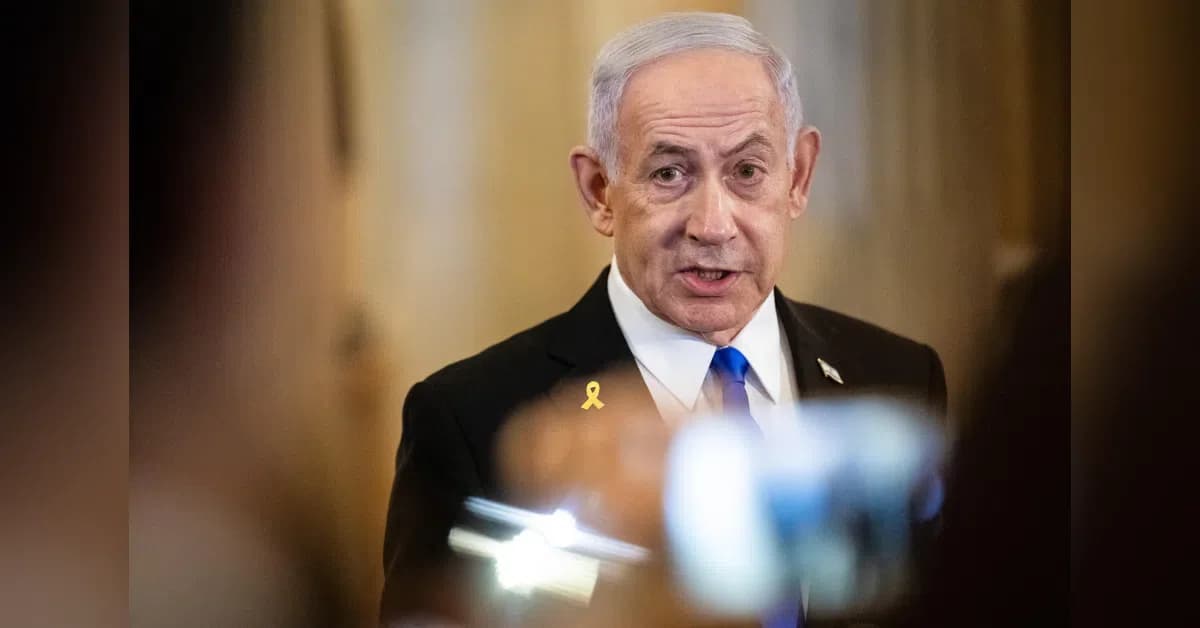
Iranian officials have insisted that Israel must withdraw its forces from Lebanon as part of the arrangement, while Israeli leaders have rejected the demand. Israeli Prime Minister Benjamin Netanyahu and Defence Minister Israel Katz have said Israeli troops will remain in southern Lebanon, citing security concerns and the threat posed by Hezbollah. The disagreement has raised concerns that continued Israeli military presence and Hezbollah-related tensions could derail the broader ceasefire and diplomatic framework. While the US-Iran MOU attempts to enforce an immediate halt to fighting across all fronts (including Lebanon), the actual terms of an IDF withdrawal are being handled under a separate, direct negotiating track between Jerusalem and Beirut. These talks face significant challenges, especially as Hezbollah has vowed to ignore any deals they yield.
US Vice President JD Vance made a public appeal urging Israel and Hezbollah to avoid further violence after the US-Iran agreement was announced, raising concerns over renewed instability along the Lebanon-Israel border. The escalation threatens the fragile ceasefire that was announced just a day before the latest Israeli attacks. IDF Online confirmed the strikes were carried out following repeated and ongoing violations of the ceasefire by the terror organization Hezbollah in several sectors across southern Lebanon. The military operations highlight the ongoing military confrontation despite diplomatic efforts, with Hezbollah reported intense fighting in the area during the latest Israeli operations.
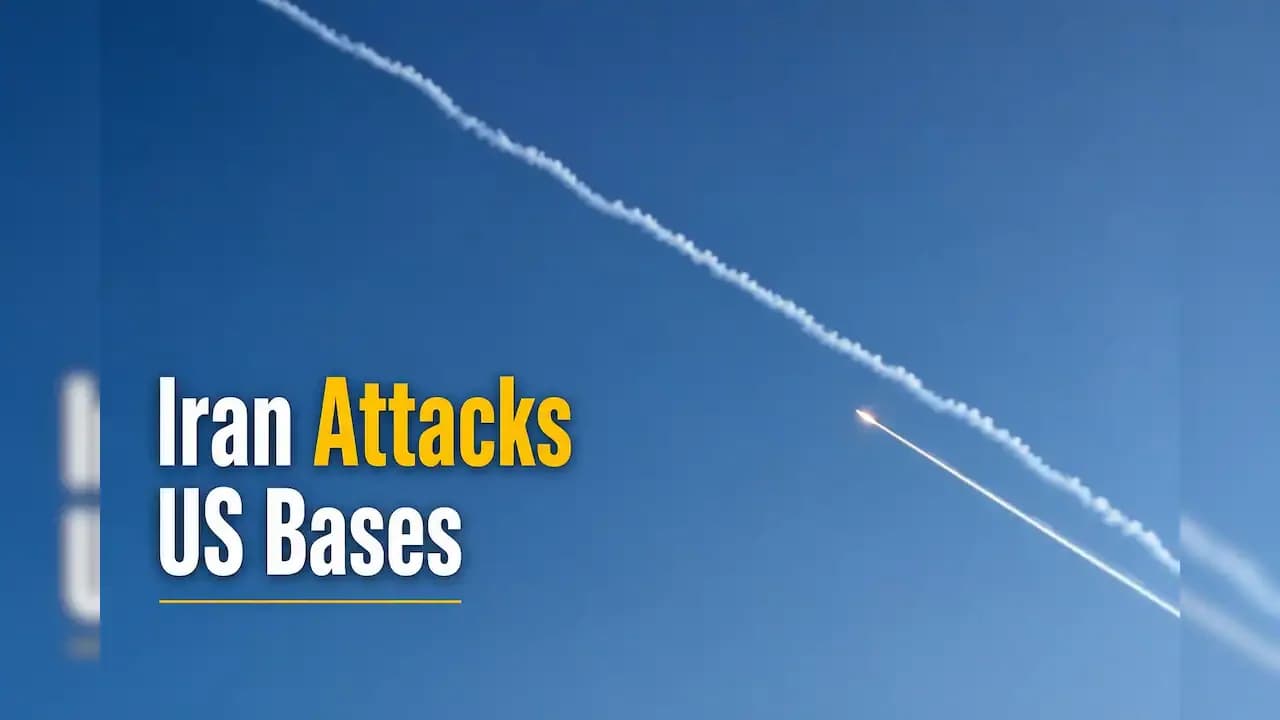
The conflict has triggered widespread regional disruptions, with Kuwait, Qatar, and the United Arab Emirates all reporting drone attacks over the weekend, with the UAE openly blaming Tehran for the strikes. According to Al Jazeera, Iran attacked U.S. ally Kuwait's international airport, killing one and injuring dozens. The war has also triggered significant economic impacts, with rising energy prices worldwide, including in the United States, where the average price of gasoline surpassed $4 per gallon for the first time since 2022. Global oil prices fell about 5 percent, hitting their lowest levels in more than three months in response to the deal. The conflict has also disrupted shipping routes, with some ships forced to turn back in the Strait of Hormuz as Iran's Islamic Revolutionary Guard Corps has typically restricted passage to ships tied to U.S. and Israeli partners.