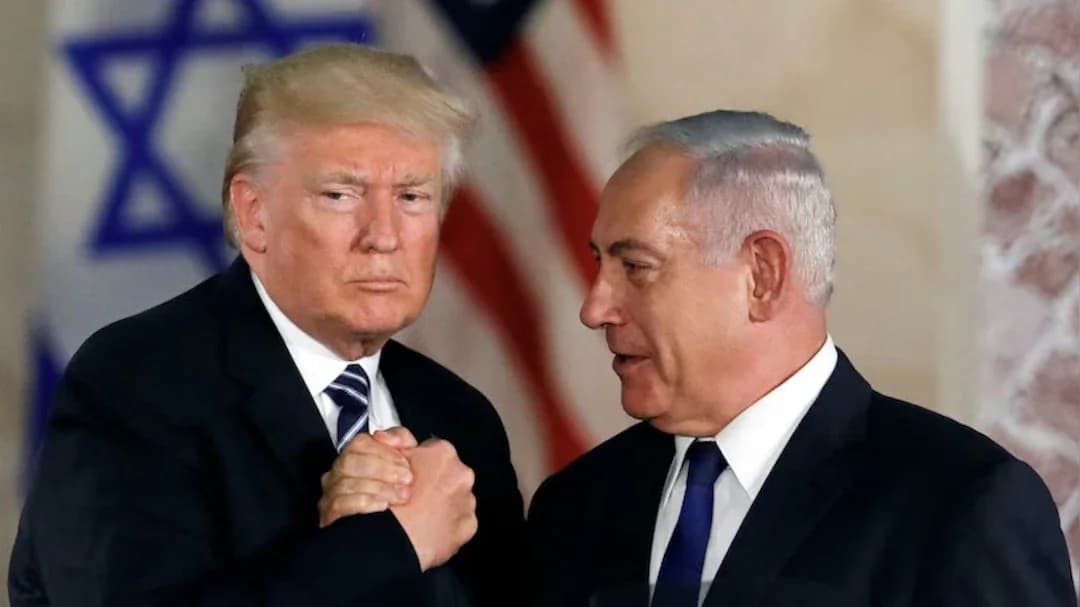
US President Donald Trump and Israel's Prime Minister Benjamin Netanyahu engaged in a tense phone call this week regarding the future course of the war on Iran, with the conversation revealing significant disagreement between the two allies over strategic direction. According to reports by CNN, Axios and The Wall Street Journal, Netanyahu pressed Trump to continue with planned military action against Iran, warning that further delays would only benefit Tehran. The Israeli Prime Minister argued that delaying renewed fighting would be a mistake and urged Trump to move ahead as planned. Trump was not persuaded by Netanyahu's arguments and made clear he still backed diplomacy, telling Netanyahu he wanted to allow several more days for a deal to emerge in order to save lives. In an earlier call Sunday, Trump reportedly said he had been leaning toward approving strikes before canceling them at the last minute, with the planned operation expected to be dubbed 'Heavy Hammer'. As per Axios, the call came amid intensified mediation efforts involving Qatar, Pakistan, Saudi Arabia, Turkey and Egypt to bridge differences between Washington and Tehran over Iran's nuclear programme and broader regional issues. One source was quoted as saying Netanyahu was 'extremely upset' after the conversation, stating that his 'hair was on fire' following the call.
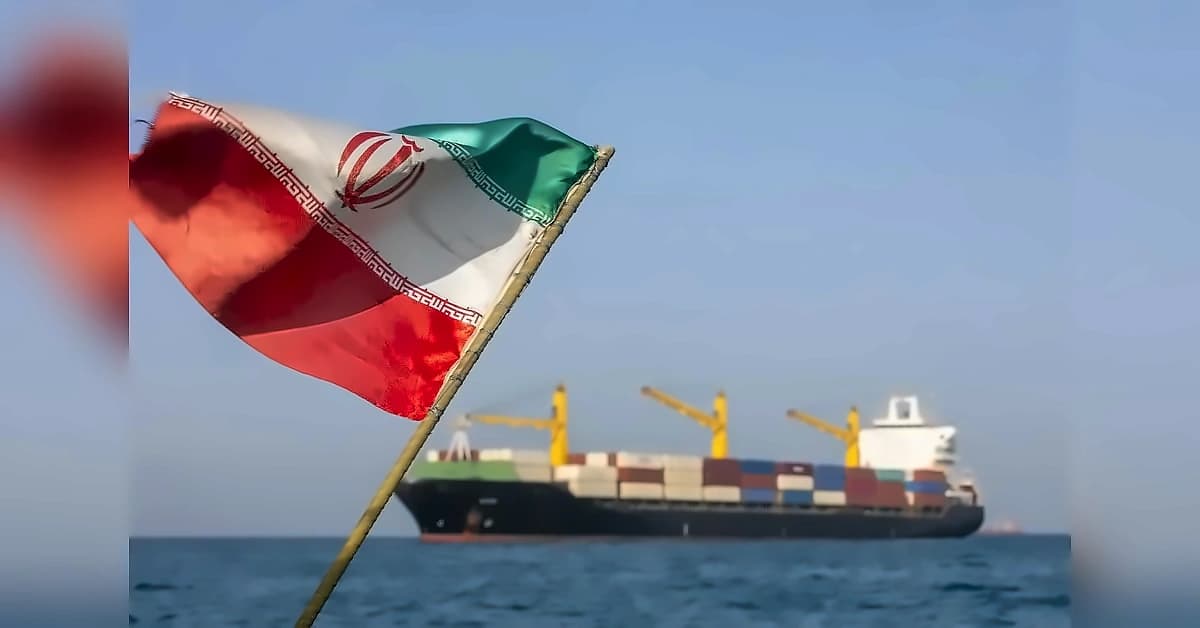
A revised peace memo was drafted by Qatar and Pakistan with input from other regional mediators to bridge the gaps between the US and Iran, with the mediation effort expanding to include Saudi Arabia, Turkey and Egypt as additional mediators working on the proposal. Pakistan, Qatar, Saudi Arabia, Turkey and Egypt have been actively refining a new draft proposal over recent days, with Qatar reportedly sending a delegation to Tehran earlier this week for talks with Iranian officials. According to The Wall Street Journal, in a Monday meeting on Iran, Trump and his advisers concluded that economic pressure on Tehran was having an effect. If Trump ultimately decides to resume fighting, he is expected to order strikes on energy and other critical infrastructure targets. Trump informed Netanyahu that mediators were working on a 'letter of intent' that both the US and Iran would sign to formally end the war and launch a 30-day period of negotiations on key issues. These negotiations would focus on Iran's nuclear program and the opening of the Strait of Hormuz, as reported by a US source briefed on the call. Iranian foreign ministry spokesman Esmaeil Baqaei said on Wednesday that the Islamic republic had received a new US proposal and was currently examining it, as a minister from mediator Pakistan visited Tehran. 'We received the points of view of the American side and we are currently examining them. The presence of Pakistan's interior minister is aimed at facilitating the exchange of messages,' Baqaei told state television. He reiterated Iran's demands in talks to end the war including the release of Iranian assets frozen abroad and an end to the US blockade on Iranian ports.
Trump had postponed strikes on Iran that were planned for Tuesday following requests from Arab nations including Qatar, Saudi Arabia and the UAE, as reported by Axios. The Israeli Prime Minister was keen on resuming strikes to further degrade Iran's military capabilities and weaken the regime by destroying its critical infrastructure, according to the report. Israeli officials were said to be frustrated that Trump was again allowing Iran to drag out negotiations, with The Wall Street Journal reporting that Israeli officials are concerned that any rapid agreement Trump signs to end the war would not sufficiently remove the threat posed by Iran's nuclear and missile programs. There is strong desire in the upper echelons of the Israeli government for renewed military action, with mounting frustration over what they describe as Iran's diplomatic foot-dragging. CNN reports that there is 'strong desire in the upper echelons of the Israeli government' for renewed military action, with sources describing mounting frustration over Trump's continued diplomatic approach. Israel's army chief Lieutenant Colonel Eyal Zamir on Wednesday said the military was at its highest alert level, as Tehran and Washington traded threats of war. 'At this moment, the IDF (military) is on the highest level of alert and prepared for any development,' Zamir said at a meeting of all division commanders, according to a statement issued by the military.
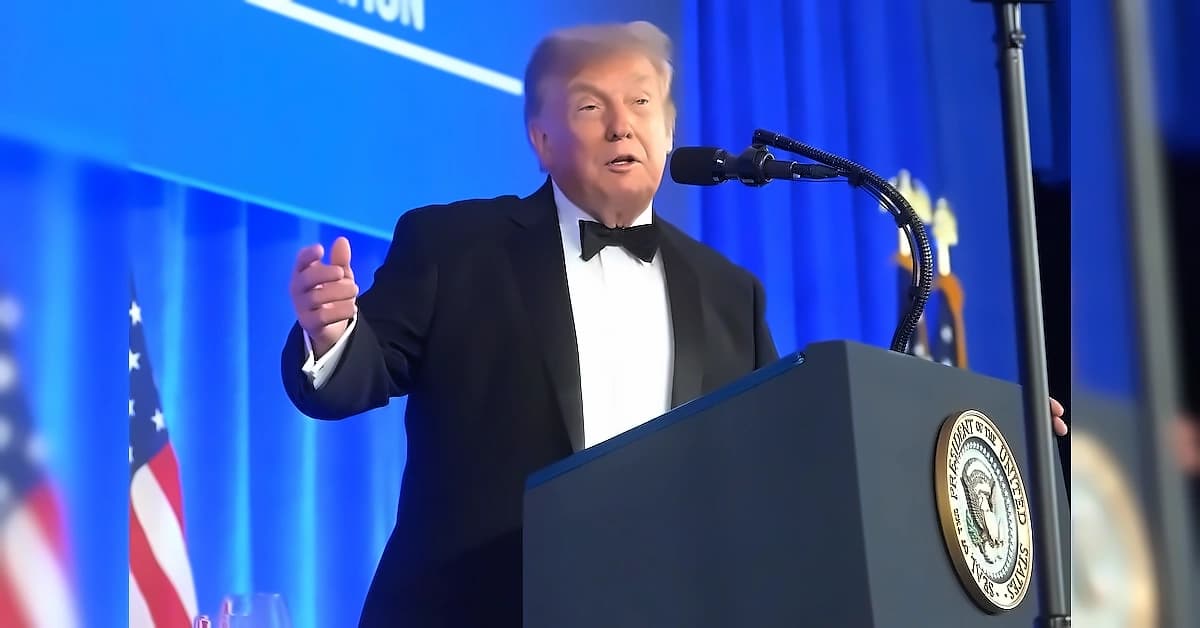
Trump made dramatic claims about Iran's military capabilities during a commencement address at the US Coast Guard Academy, stating 'Everything's gone. Their navy's gone. Their air force is gone. Just about everything.' Speaking to reporters at Joint Base Andrews near Washington, Trump said: 'It's right on the borderline, believe me. If we don't get the right answers, it goes very quickly. We're all ready to go. We have to get the right answers - it would have to be a complete 100 percent good answers.' The US leader said this week he had been an hour away from ordering the resumption of strikes on Iran but postponed the attack planned for Tuesday at the request of Gulf states. Iran's Revolutionary Guards had earlier warned that the war would expand beyond the region if the US and Israel resumed attacks, after President Donald Trump said he would strike again unless Tehran agreed a peace deal. The developments come as a revised draft proposal, reportedly prepared with inputs from regional mediators, is being considered to narrow gaps between the United States and Iran. The proposal is said to aim at securing clearer commitments from Tehran on its nuclear programme while also outlining conditions for the possible release of frozen Iranian assets.
Saudi Arabia welcomed Trump's last-minute decision to hold off on strikes, with Foreign Minister Faisal bin Farhan saying the kingdom 'highly appreciates' Trump's decision to give negotiations another chance to reach an agreement that would end the war and restore security and freedom of navigation in the Strait of Hormuz. He also praised Pakistan's mediation efforts and urged Iran to seize the opportunity to avoid the serious consequences of escalation. According to The Wall Street Journal, Netanyahu made similar arguments in two recent calls, stressing Israel's skepticism that Iran would comply with any agreement to dismantle its nuclear program or stop attacks on its neighbors in the region. Despite ongoing talks, Trump has repeatedly warned that the window for diplomacy could close quickly. 'It's right on the borderline, believe me,' Trump said. 'If we don't get the right answers, it goes very quickly. We're all ready to go.' The situation has created significant economic disruption, with the Food and Agriculture Organisation (FAO) warning that a prolonged closure of the Strait of Hormuz risks triggering a structural agrifood shock, which could culminate in a severe global food price crisis within six to 12 months. The onset of the El Niño weather phenomenon is expected to cause droughts and disrupt rainfall and temperature patterns across multiple regions, further exacerbating the crisis. Brent crude oil prices tumbled more than 5% on Thursday as diplomatic progress toward ending the Iran conflict eased market fears over blocked energy supplies, following reports that a number of Asian-bound supertankers managed to safely exit the Strait of Hormuz, unlocking millions of barrels of crude.