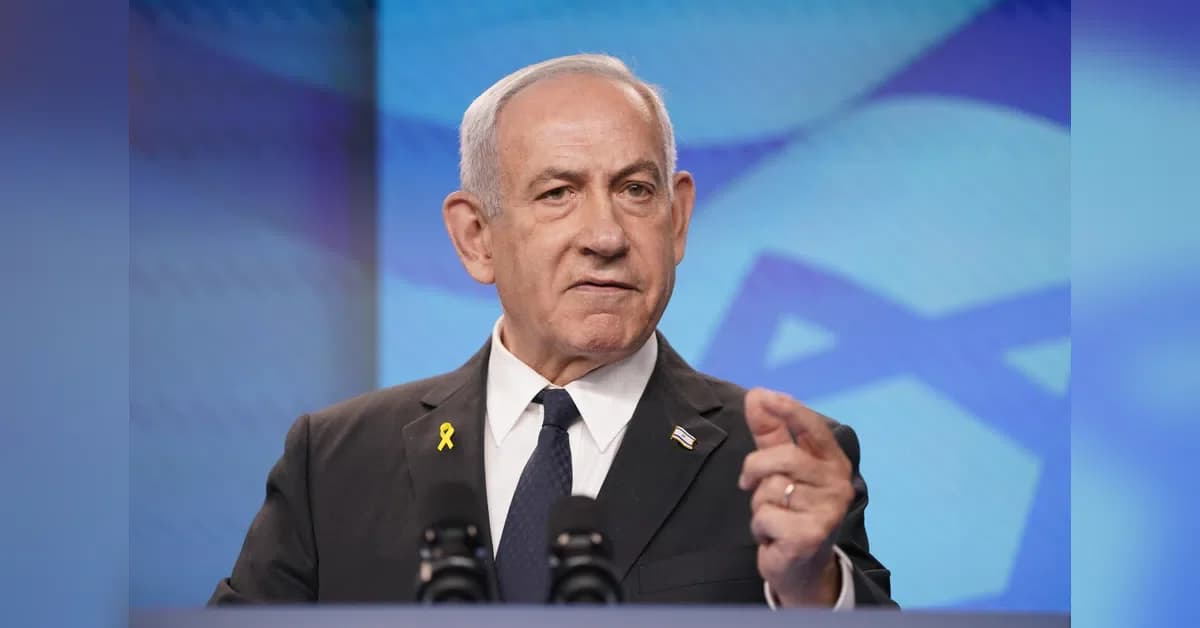
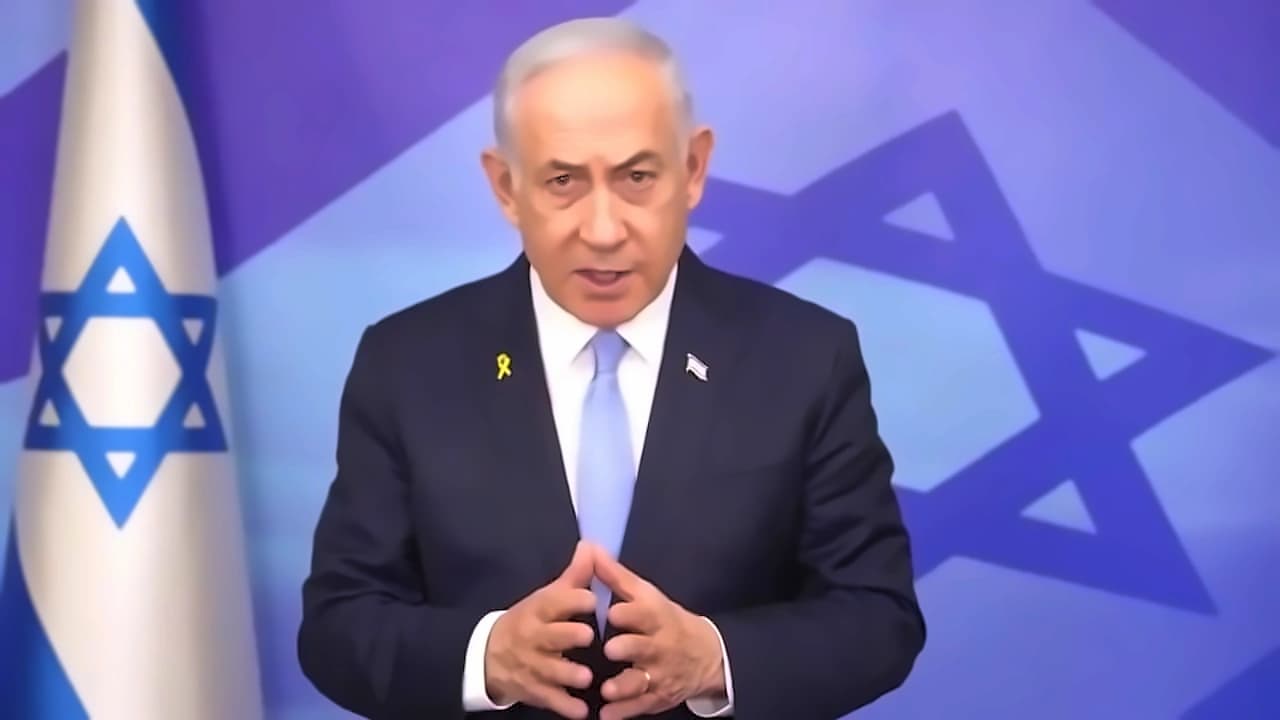
Israeli Prime Minister Benjamin Netanyahu has vowed not to leave the security zone in southern Lebanon, stating that Israeli forces will remain there 'as long as required' to protect communities in the country's north. According to NDTV Profit, Netanyahu's remarks came after a deadly exchange of fire involving Hezbollah, which he described as a 'blatant violation' of the ceasefire agreement. The Israeli Premier expressed condolences to the families of Lieutenant Colonel Dor Gadliah Ben Simhon, commander of the 52nd Armored Battalion, and three other soldiers whose identities have not yet been released. He also wished a speedy recovery to those injured in the fighting.
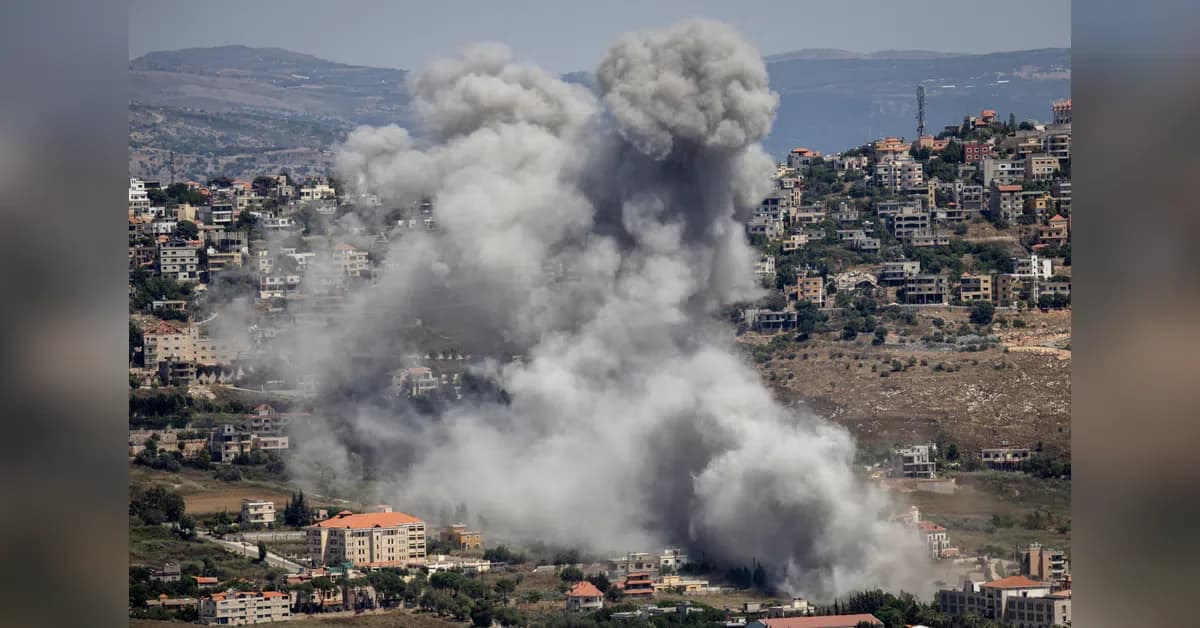
Netanyahu directed the Israel Defense Forces (IDF) to respond 'with full force' following what he called a 'heinous attack' by Hezbollah. As reported by NDTV Profit, the IDF carried out strikes on more than 80 Hezbollah targets and killed dozens of militants. Israeli forces later targeted Hezbollah headquarters in Lebanon's Bekaa Valley as part of the military response. The Lebanese media reported that the overnight attack carried by Israel in southern Lebanon has left 16 people killed and several others injured. Netanyahu held a security assessment with Defence Minister Israel Katz and the IDF Chief of General Staff to review the situation and reaffirmed Israel's policy of responding strongly to threats against its soldiers and territory.
Former Prime Minister and prominent challenger Ehud Barak launched a scathing attack on Netanyahu's leadership, telling Israel's public broadcaster that 'Israel is paying the price of Netanyahu's hubris and blindness, and the price of the manipulations that he tried to pull on Trump'. According to AP, Barak stated 'Iran emerged stronger; Israel emerged weaker. That is Netanyahu's strategic responsibility. He failed.' Opposition leader Yair Lapid, who will challenge Netanyahu in upcoming elections, described the deal as 'one of the most shocking failures in Israel's foreign and security policy ... entirely registered in Netanyahu's name'. Lapid wrote that 'It can be fixed, it must be fixed. Netanyahu can no longer fix it, we will do it.' Former Prime Minister Naftali Bennett had previously assailed Netanyahu's leadership, telling reporters that the term of this Netanyahu government began with a civil war, continued with the October 7 massacre, and is now ending with a historic failure against Iran.
Netanyahu stressed that 'Israel will not tolerate attacks on our soldiers or our territory' and warned that Hezbollah would face a 'very heavy price' for any further attacks. According to NDTV Profit, he emphasized that the IDF would continue operations to prevent threats against Israeli forces and border communities, adding that Israel's presence in southern Lebanon would continue until security requirements are met. The Prime Minister ruled out withdrawing from South Lebanon, stating 'We will remain in the security zones as long as necessary to protect our country' and emphasizing that Israel will stay in the Lebanon security buffer zone for as long as necessary. This commitment comes as the US-Iran deal envisages an end to the war in the Middle East, including in Lebanon, where Israeli forces are fighting Iran-backed Hezbollah militants.
Netanyahu claimed significant security accomplishments, stating that 'We removed the immediate threat of annihilation from ourselves. Most importantly, we saved the State of Israel from the threat of total destruction''. As reported by Times of Israel, the Israeli Premier described the joint US-Israeli military campaign as 'Israel's largest-ever operation', targeting nuclear scientists, eliminating terror regime leaders, crushing nuclear facilities, and destroying missile factories. Netanyahu emphasized that the operation caused 'enormous damage — some estimate it in the hundreds of billions of dollars, some estimate it at even close to a trillion dollars' to Iran's economy. He stressed that Israel, working alongside the United States, had succeeded in neutralising the immediate danger posed by Iran's nuclear program for years to come, stating 'We said we wanted to remove an existential threat hanging over us: first, the nuclear threat - and we did that, second the missile threat - and we did that.'