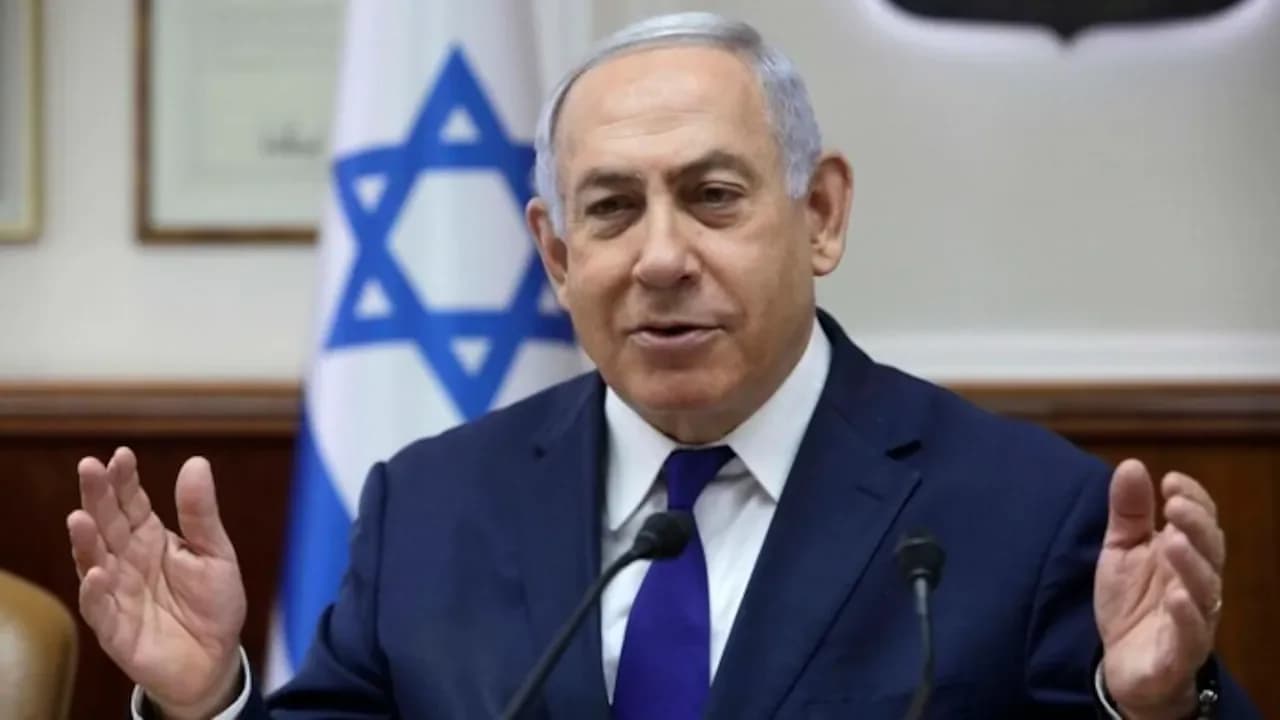
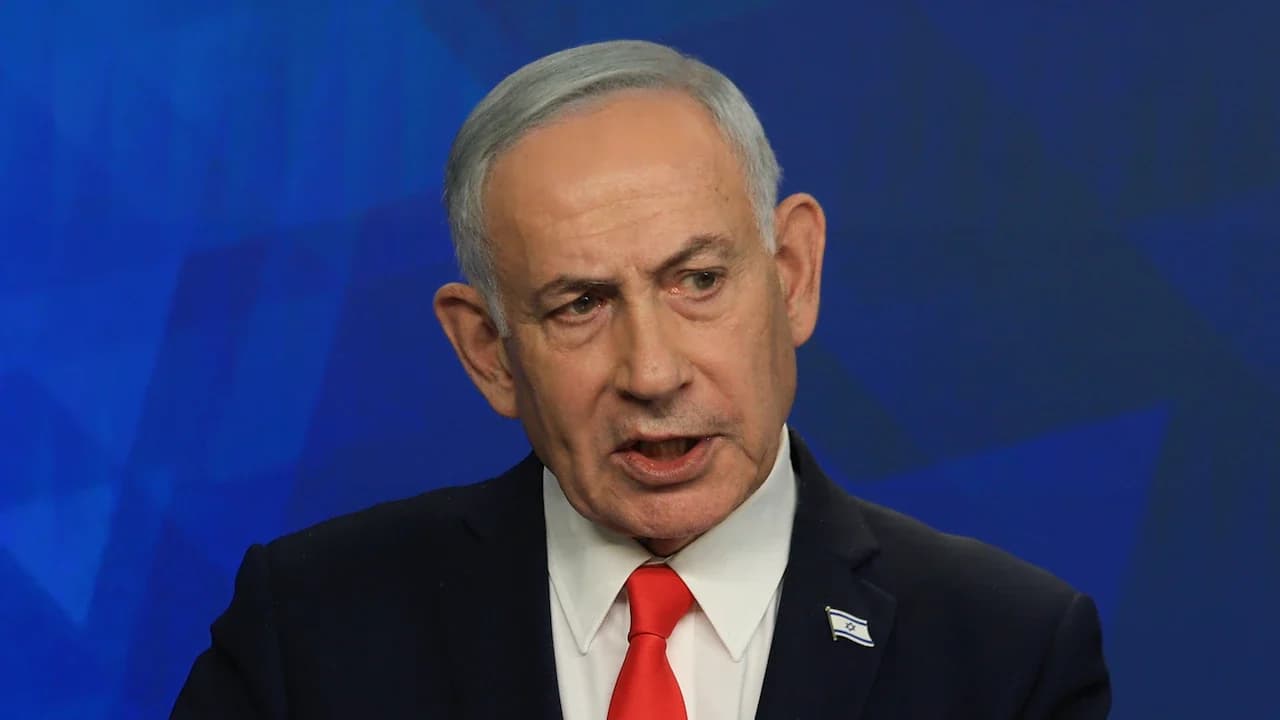
Israeli Prime Minister Benjamin Netanyahu has officially confirmed through his Likud Party that he will seek re-election in the country's next general election, his party announced on Wednesday. This announcement comes at a critical time when Israel is in the middle of a US-Israel-Iran war situation along with ongoing conflicts in Gaza and Lebanon. The election is expected to take place later this year in October, marking the first national vote since the October 7, 2023, Hamas attack and the further wars that followed. The confirmation removes uncertainty surrounding Netanyahu's political future and signals that he intends to remain a central figure in Israeli politics despite mounting criticism and declining poll numbers.
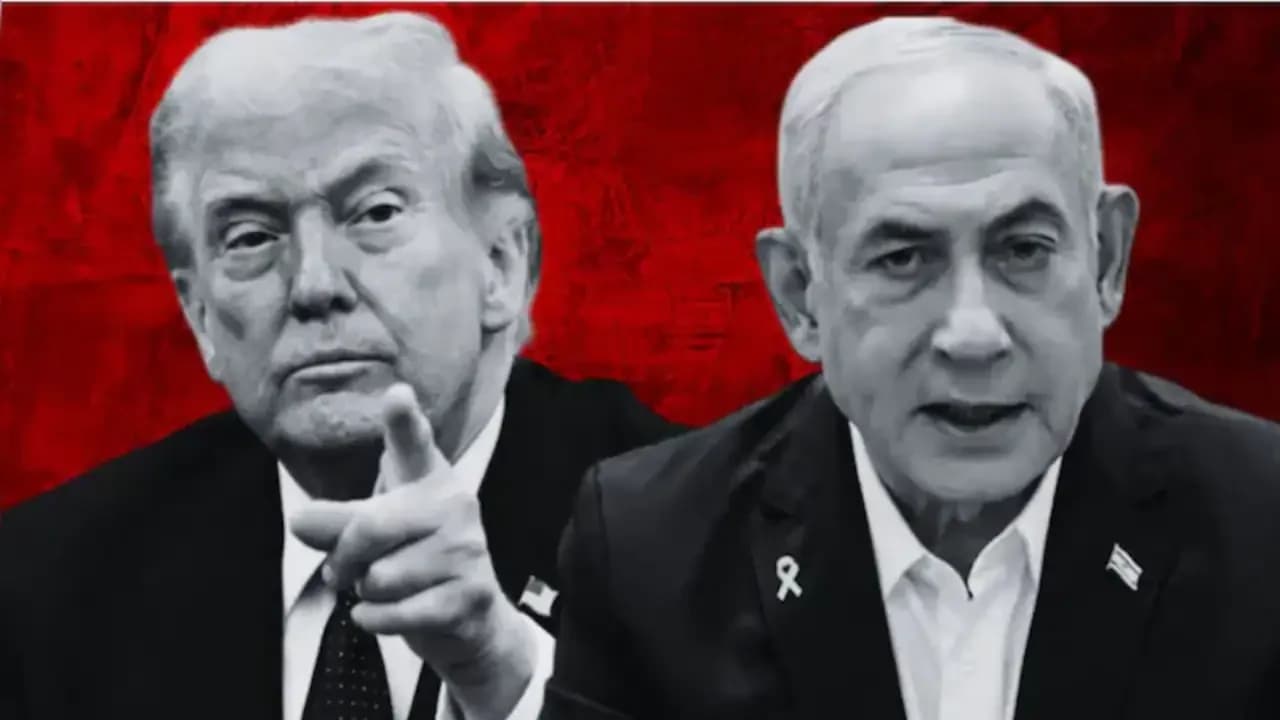
The announcement came shortly after ABC News Chief Washington Correspondent Jonathan Karl reported that President Donald Trump had expressed uncertainty about Netanyahu's political plans. As quoted by Karl, Trump said, 'I don't know, he's had an amazing career. Does he want to continue?' Trump later added, 'Because, you know he's a wartime prime minister. We will very shortly win the war one way or the other, and you know he's a wartime prime minister.' While there is currently little evidence that their broader strategic partnership is at risk, disagreements have emerged over military operations and diplomatic strategies. Despite occasional tensions, US and Israeli officials continue to describe the relationship as strong, though the future of the relationship could become a talking point during the election campaign.
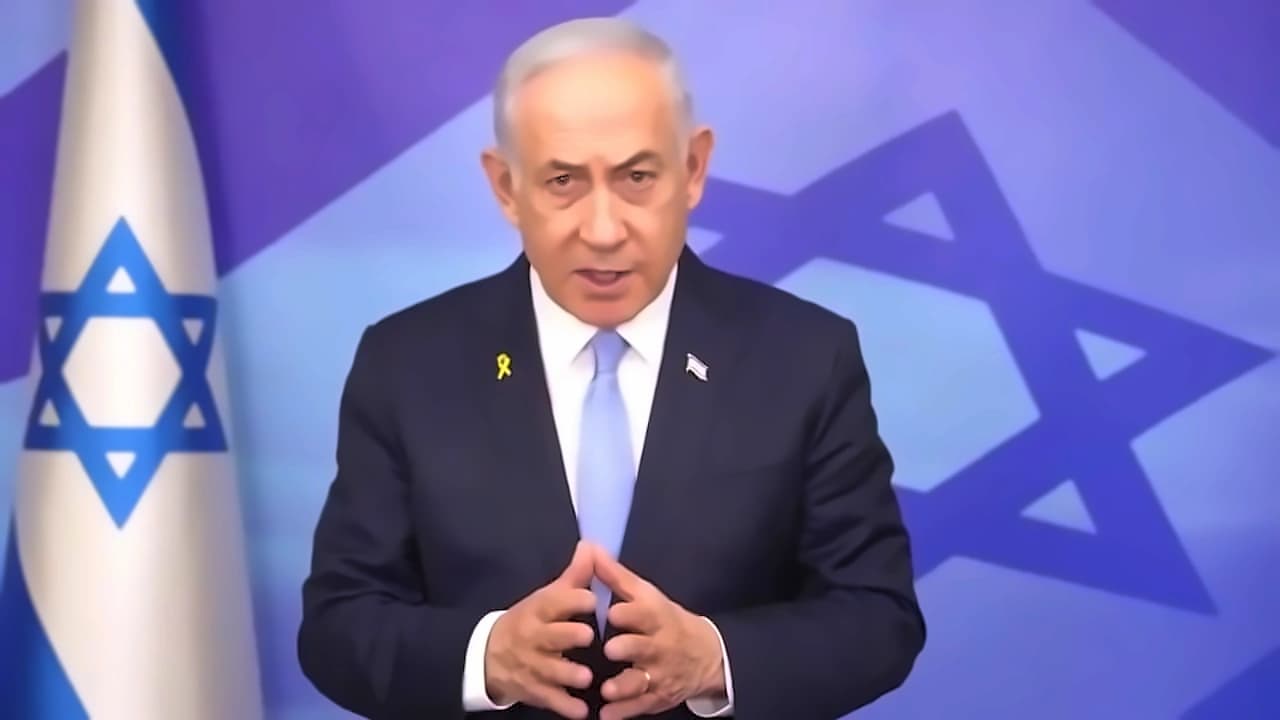
Recent developments show strong internal support for Netanyahu's continued leadership, with Likud recently holding internal elections in November for its municipal branches and its powerful Central Committee for the first time in nearly 14 years. With no challenger to Netanyahu's leadership, party members were instead asked to endorse his continued role as party chairman. Likud currently heads a right-wing governing coalition that returned to power in December 2022, which includes several conservative and religious parties that support strong national security policies and a hardline stance on regional threats. The party continues to view Netanyahu as its strongest political asset despite recent polling challenges.
Despite internal party support, public opinion remains divided on Netanyahu's re-election bid. A poll published by the Israel Democracy Institute found that 61% of Israelis overall, and 57% of Jewish Israelis, believe Netanyahu should not run in the upcoming elections. Recent polls suggest Netanyahu's coalition could struggle to secure a parliamentary majority. However, opposition parties also face difficulties because they remain divided on several major issues, with analysts noting that defeating Netanyahu will likely require broad cooperation among opposition groups, something that has proven difficult in Israel's fragmented political system. Opposition leaders are arguing that Israel needs new leadership to deal with current challenges, while Netanyahu's supporters continue to back him strongly, pointing to his experience in handling security matters and maintaining Israel's global relationships.