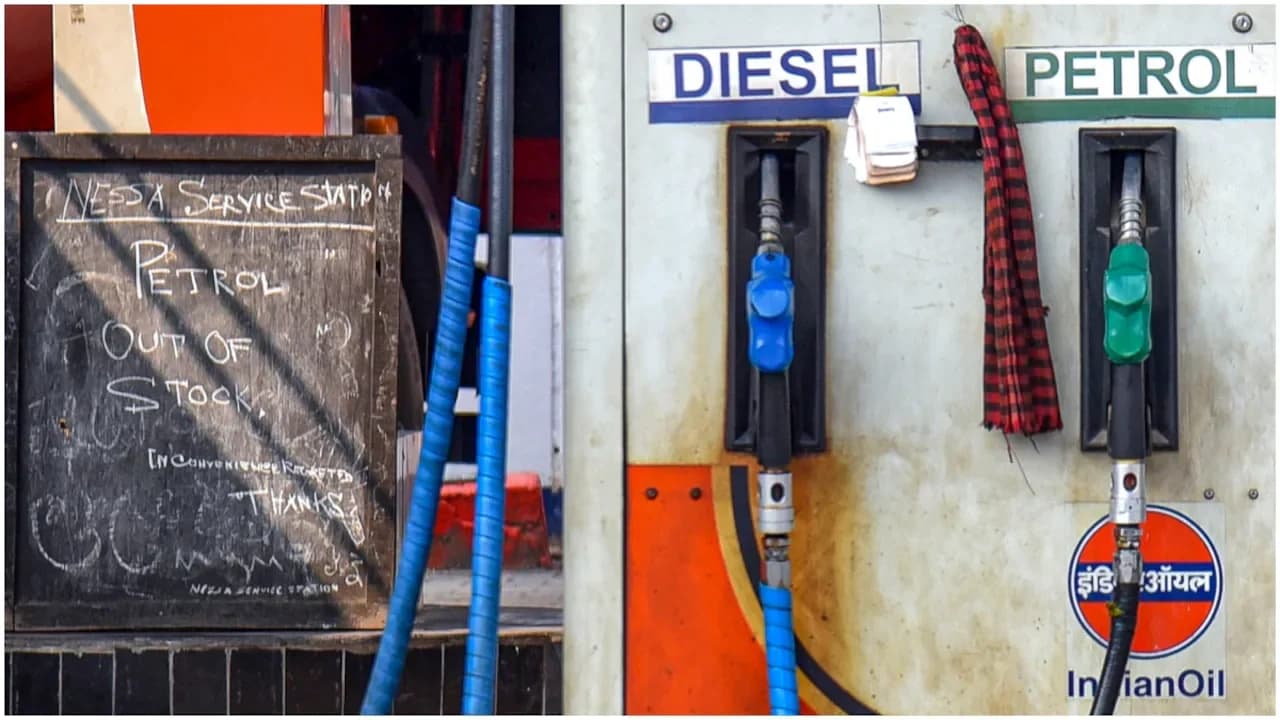
Indian Prime Minister Narendra Modi has called on citizens to implement immediate measures to reduce fuel consumption and conserve resources as the Strait of Hormuz closure tightens global oil supplies. Speaking in southern Telangana state, Modi emphasized the need for national sacrifice, stating that 'In this time of global crisis, we have to make a resolution keeping duty paramount and fulfil it with complete dedication'. He specifically urged citizens to reduce petrol and diesel consumption, use metro systems in cities with metro lines, and car pool when using cars, while placing strong emphasis on saving foreign exchange as petrol and diesel have become expensive globally.
The prime minister outlined a comprehensive set of conservation measures for Indian citizens. Modi called for increasing the use of electric vehicles, shifting freight transport to railways, and reviving work-from-home practices that were implemented during the COVID-19 pandemic. He urged Indians to resume energy-saving schemes including prioritising work from home, online conferences, and virtual meetings, framing these measures as a national duty to save foreign currency spent on fuel imports.
India's oil marketing companies are facing significant financial pressure from the supply disruptions. Hardeep Singh Puri, India's minister for petroleum and natural gas, revealed that oil marketing companies have taken massive revenue hits while ensuring uninterrupted energy imports and supply. According to Puri, OMCs are buying crude, gas and LPG at higher cost, but in order to protect consumers, they are selling final products at lower cost leading to massive mounting losses of up to ₹1,000 crore per day. The government has also seen revenue losses of ₹14,000 crore in a month after reducing taxes on diesel and petrol for domestic consumption.
India's measures are part of a broader global response to the US-Israeli strikes on Iran and its impact on energy markets. As reported by The Times of India, several governments worldwide have implemented comparable conservation measures, with the Philippines declaring a national energy emergency in March and Bangladesh shutting public and private universities to conserve electricity and fuel. Pakistan has switched government workers to a four-day workweek and temporarily closed schools, while South Korea has asked private vehicle owners to refrain from driving one day per week.
India has been affected by supply disruptions following the US-Israeli strikes on Iran, which led to Iran's near-total blockade of the strategic Strait of Hormuz. While India is one of the few countries in the region that has not increased the prices of petrol and diesel for domestic consumers or rationed supplies, it has increased prices of liquefied petroleum gas (LPG) — a primary cooking fuel in the country. Puri urged citizens to turn Modi's 'empathetic appeal' into a mass movement 'to save and conserve energy' as the country navigates these challenging supply conditions.