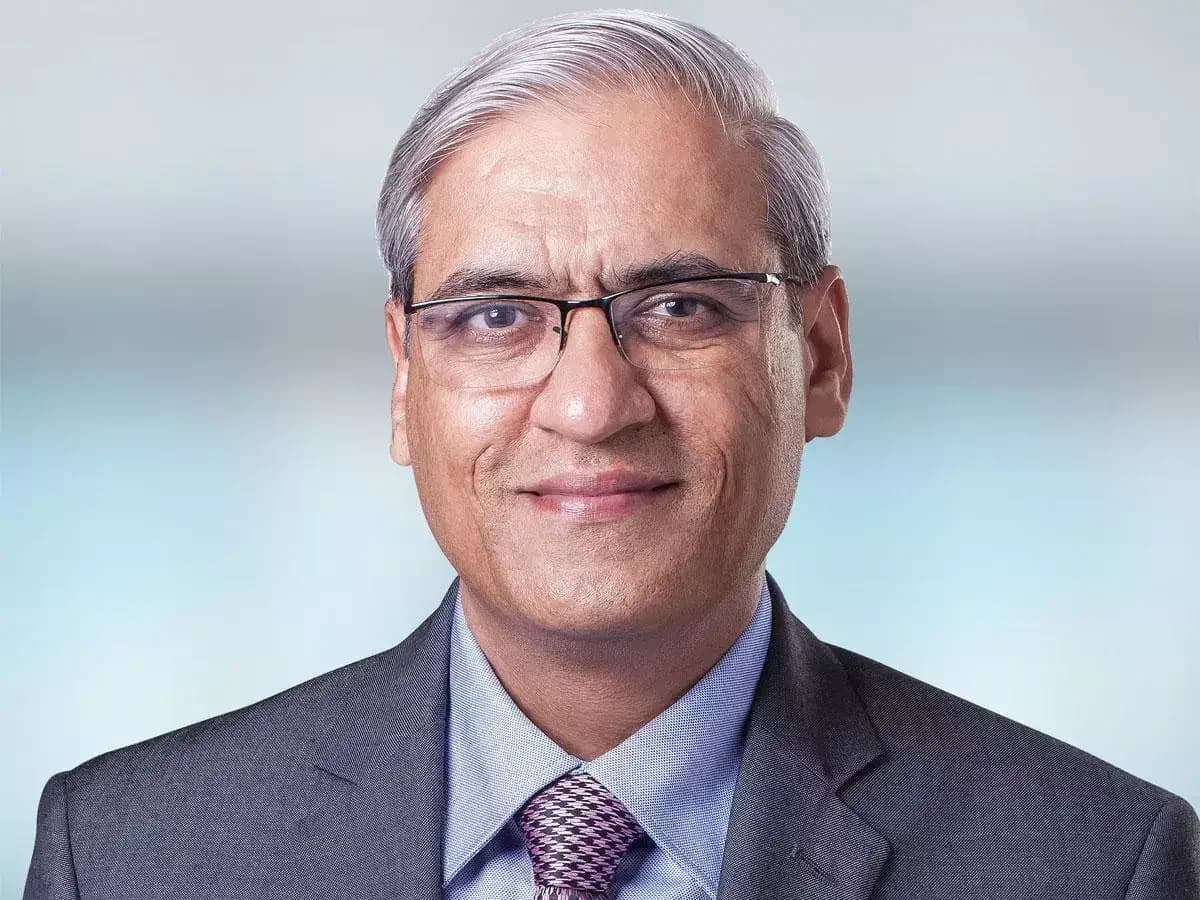
RBI Governor Sanjay Malhotra has confirmed that India may be forced to raise petrol and diesel prices if the Middle East conflict continues, citing the soaring cost of crude oil in the global market. According to OMMCOM News, Malhotra's statement comes as India's oil marketing companies are experiencing mounting financial pressure as under-recoveries continue to widen amid persistent crude oil supply disruptions. MK Surana, Former CMD of HPCL, warned that the financial stress on fuel retailers is intensifying and may eventually force difficult policy decisions, including a possible hike in retail fuel prices. Speaking to ET Now, Surana emphasized that the market may still not be fully pricing in the severity of the crude supply disruption, despite softer Chinese demand and the release of strategic reserves globally.
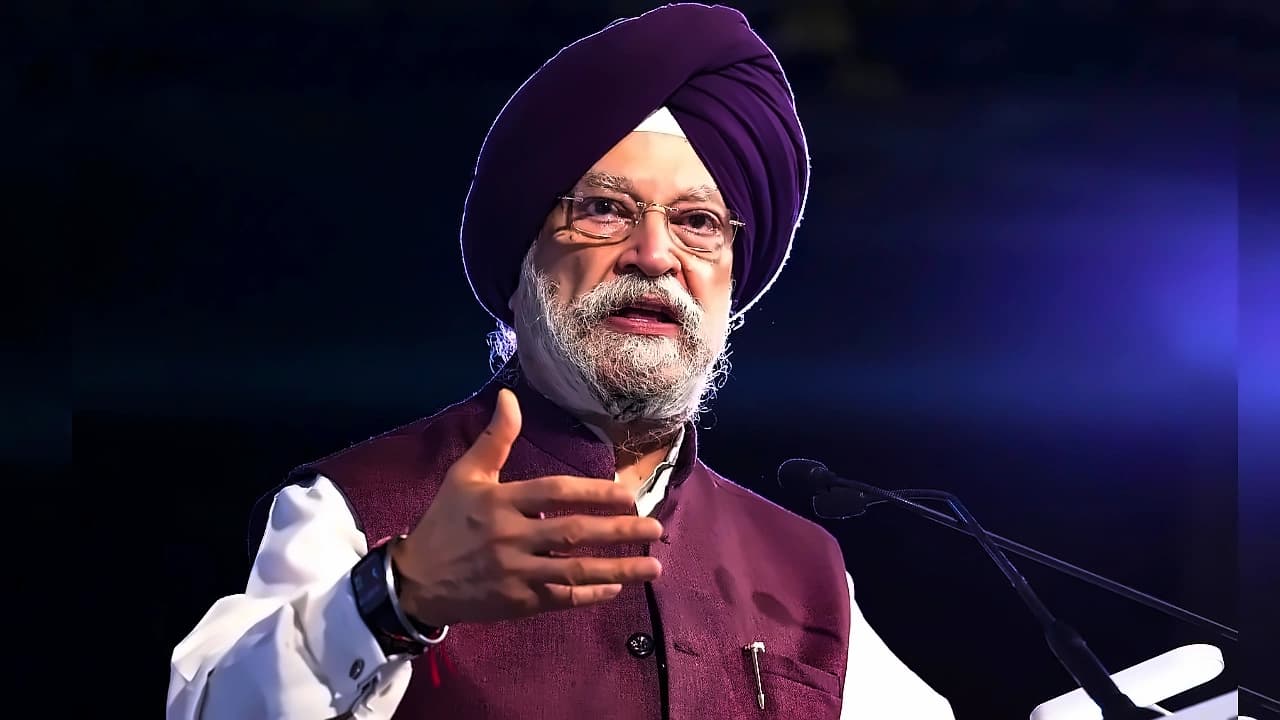
The scale of financial distress facing oil marketing companies has been quantified by the government, with OMCs facing under-recoveries of ₹2 lakh crore and losses of ₹1 lakh crore in the April-June quarter. As reported by The Economic Times, Surana highlighted that oil marketing companies are not able to recover even the cost of the crude, creating substantial financial distress. Petroleum Minister Hardeep Singh Puri confirmed that these losses may wipe out last year's annual profit for the companies. OMCs are currently losing ₹14 per litre on petrol, ₹42 per litre on diesel, and ₹674 per domestic LPG cylinder, with their collective under-recoveries estimated at ₹1,600-1,700 crore per day. The minister questioned how long oil companies could sustain such losses, stating it was something that worries him.
The government has maintained that there is no immediate plan to raise retail fuel prices, but Surana believes the financial strain on OMCs cannot be ignored indefinitely. According to The Economic Times, he noted that excise duty cuts undertaken earlier had already narrowed the government's room for maneuver. Puri acknowledged that at some stage the government would have to take a call on price revisions, without clearly commenting on a much-anticipated price hike. He indicated that the only way the government may avoid taking "hard measures" is if the Strait of Hormuz reopens and the crude basket price falls to $70 a barrel, as crude prices have surged nearly 50% since the war broke out on February 28, crossing $100 a barrel. Puri dismissed suggestions that price hikes were intentionally postponed due to assembly polls, noting that India was the only country to keep fuel prices frozen for four years.
Despite disruptions in energy flows, Puri assured there were no supply-related issues and that the country had 60 days of crude and LNG inventories and 45 days of LPG stocks. He acknowledged the need to increase reserves and said one of the companies was acquiring 400-500 acres for additional storage. The minister emphasized that all aspects of fuel consumption, use, efficiencies, and repurposing of molecules must be attacked together to ensure optimum output from each molecule of crude imported. On domestic oil and gas exploration, Puri said the government has amended exploration rules and expanded acreage offered under licensing rounds, with the Centre reducing effective royalty rates on crude oil and natural gas production.
Petrol and diesel are currently priced at ₹94.77 and ₹87.67 per litre, respectively, in the capital. According to The Economic Times, Surana suggested that upstream companies could once again be asked to absorb a portion of the financial stress, as has happened in the past. He also emphasized that while petrol and diesel are technically deregulated products, LPG remains under a controlled pricing framework where compensation mechanisms already exist, suggesting the government may need to explore additional innovative ways to ensure OMCs remain financially healthy during the current phase of elevated energy stress.