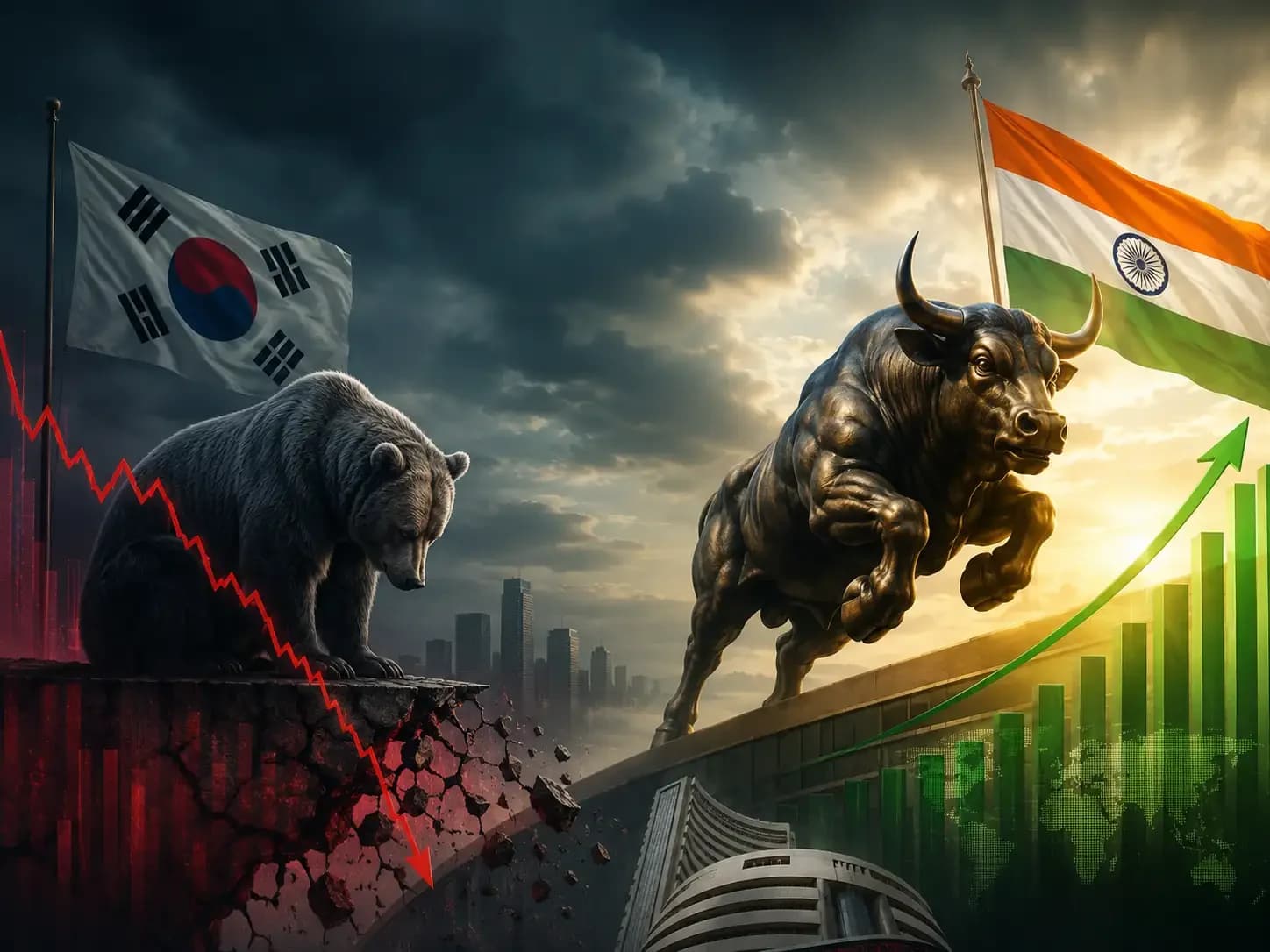
South Korea's KOSPI experienced a dramatic 7% crash on Monday, falling 511 points to 6,964.76 as renewed concerns over the sustainability of the artificial intelligence investment boom triggered a broad-based technology sell-off. According to The Times of India, the selloff was led by sharp declines in AI-heavyweights, with SK Hynix tumbling 10% despite its strong US debut performance and Samsung Electronics losing more than 6%. This latest decline has pushed the index more than 25% below its June peak, officially pushing it into bear market territory after briefly reaching this level last week. The benchmark index had previously entered bear market territory earlier this week, falling more than 20% from its record close of 9,114.55 hit on June 22, before attempting a recovery with 5% gains on Friday.
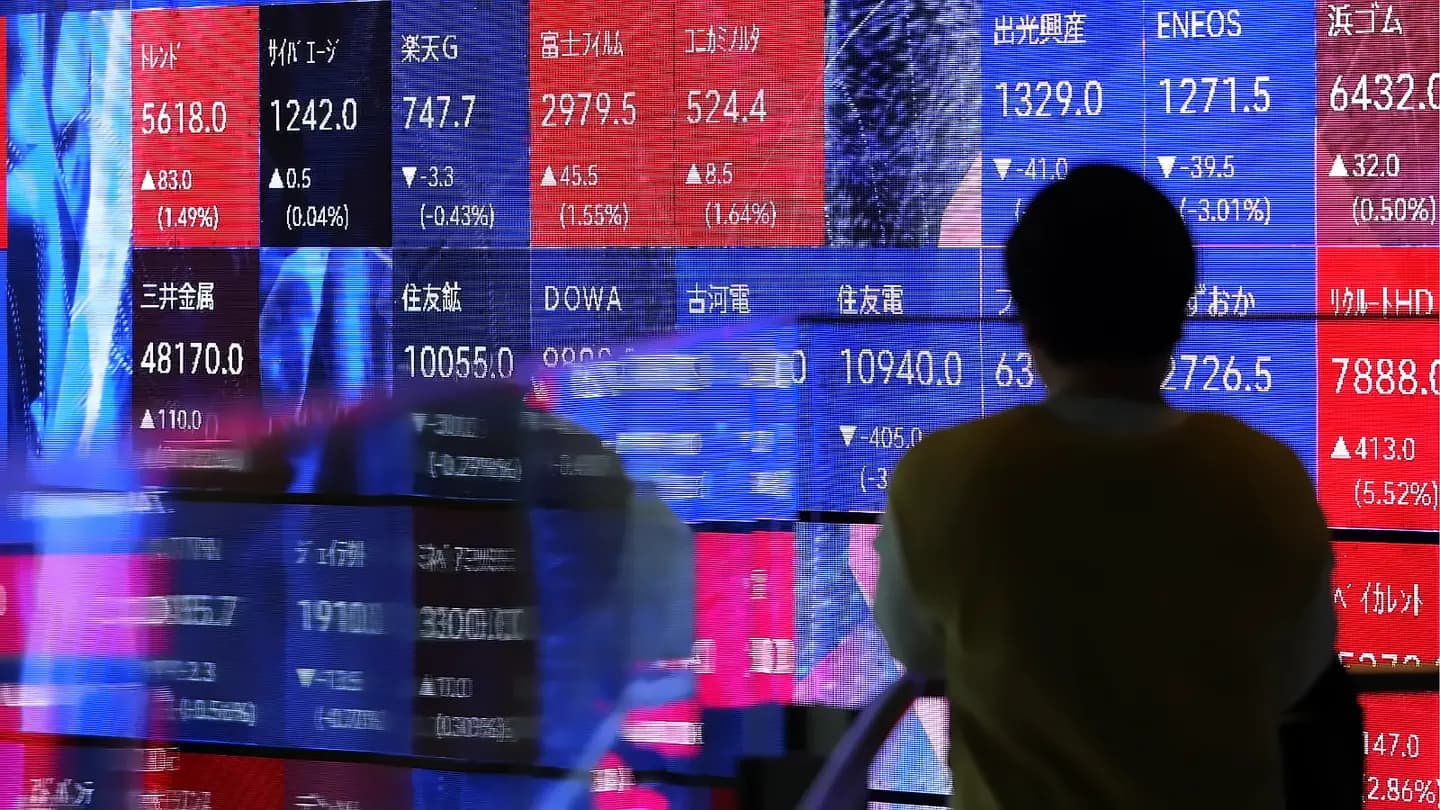
Major Korean chipmakers experienced severe pressure on Monday, with SK Hynix and Samsung Electronics leading the market decline. As reported by The Times of India, these two companies together account for nearly half of the Korean stock market's weight, making their performance critical for overall market direction. The semiconductor sector's swings have historically been the primary swing factor in market volatility, with these two chip giants having contributed roughly two-thirds of the index's gains this year. The sell-off deepened losses in South Korea's equity market, which had already fallen nearly 8% last week as leveraged positions in semiconductor stocks came under pressure. Despite the recent decline, the Kospi remains the world's best-performing stock market in 2026, with gains of 63% so far this year driven largely by strong advances in AI-related semiconductor stocks.
The weakness extended across broader Asian markets, with most major indices trading in the red around 9 am IST. According to The Times of India, Japan's Nikkei fell 1.12%, while China's Shanghai Composite and Shenzhen Composite declined 1.49% and 2.53%, respectively. Singapore's Straits Times Index slipped 0.23%, while Hong Kong's Hang Seng Index was down 0.17%. The spike in crude prices strengthened the US dollar and pushed bond yields higher as investors increased bets that the US Federal Reserve could raise interest rates again. Markets are also awaiting Federal Reserve Chair Kevin Warsh's first testimony before Congress since taking office, scheduled for Tuesday.
The market crash was primarily triggered by escalating Gulf tensions and geopolitical developments. As reported by The Times of India, escalating conflict in the Gulf and Iran's claim that it had closed the strategically important Strait of Hormuz sent oil prices sharply higher, reviving inflation fears across global markets. The U.S. dollar strengthened alongside bond yields as investors increased expectations of another interest rate hike by the Federal Reserve, coming a day before Chair Kevin Warsh is scheduled to testify before Congress for the first time since taking office. These developments have intensified market volatility and raised concerns about the sustainability of massive AI-related spending, with investors becoming increasingly cautious over the long-term prospects of the semiconductor sector.
Despite the correction, Kospi remains the world's top-performing major index in 2026, with Goldman Sachs remaining positive on South Korea's market outlook, citing improving earnings momentum across sectors beyond semiconductors. According to Reuters, analyst Han Ji-young from Kiwoom Securities stated that "it seems appropriate to take the scenario of the stock market re-entering a recovery path as the base case, as AI investment hopes are recovering and the rise in bond yields is being limited." Goldman Sachs analysts expect incremental foreign inflows to rotate toward other AI-related beneficiaries and industrials, as investors seek exposure to the broader AI supply chain and opportunities that are uncorrelated with AI. However, the sharp rally in the index has led to losses falling below the 20% threshold needed to be technically categorised as a bear market, though the benchmark index is still on track for its third straight weekly decline.