Kevin Warsh faces mounting inflation challenges as Federal Reserve Chair, with the latest PPI data coming in 'super hot' alongside an already elevated CPI print for April at 3.8% YoY. As reported by The Better Bull, this combination of hot inflation metrics creates significant headwinds for Warsh's pro-growth agenda, as stimulating economic growth risks exacerbating both debt and inflation problems. The inflationary pressures come at a critical time when the Fed is navigating economic challenges including inflation that has reached a three-year high in April, now outpacing wage growth. This challenging economic environment makes it particularly difficult for Warsh to pursue his desired pro-growth and lower-rate friendly policies.
Kevin Warsh has officially been confirmed by the United States Senate as the new Federal Reserve Chair, marking the end of a months-long confirmation process. However, recent political developments have raised concerns about his independence from the Trump administration. According to StarWORKS Global, while this appears to be a simple leadership change, it could have significant implications for global market liquidity, particularly given the current US president's policy stance. The confirmation comes at a critical time as the Federal Reserve navigates economic challenges including inflation that has reached a three-year high in April, now outpacing wage growth. As reported by MS NOW, Warsh has vowed independence from President Trump on the central bank's monetary policy, emphasizing his commitment to maintaining the Fed's non-partisan approach.
Born on April 13, 1970, in Albany, New York, Warsh grew up in the suburb of Loudonville as the youngest of three children. As reported by NDTV Profit, he attended Stanford University, graduating in 1992 with a bachelor's degree in public policy, and Harvard Law School in 1995. In 1995, Warsh joined Morgan Stanley's mergers and acquisitions department, rising to vice president and executive director over seven years. His Wall Street experience proved crucial during the 2008 financial crisis, where he served as an intermediary with Wall Street during the Great Recession, working closely with then-Fed Chair Ben Bernanke and New York Fed President Timothy Geithner.

Warsh left Morgan Stanley in 2002 to serve as Special Assistant to the President for Economic Policy under President George W. Bush, then joined the Federal Reserve Board of Governors in 2006 at age 35, becoming the youngest person ever confirmed to the position. According to NDTV Profit, he resigned in February 2011 amid disagreements with Bernanke over the second round of quantitative easing (QE2), arguing it risked stoking inflation. In a rare move for a sitting governor, Warsh published his dissent in a Wall Street Journal op-ed in November 2010, warning against what he called a 'dangerous and defeatist' monetary policy ethos. As reported by MS NOW, Warsh is the son-in-law of billionaire Trump donor Ronald Lauder, adding another layer of political complexity to his appointment.
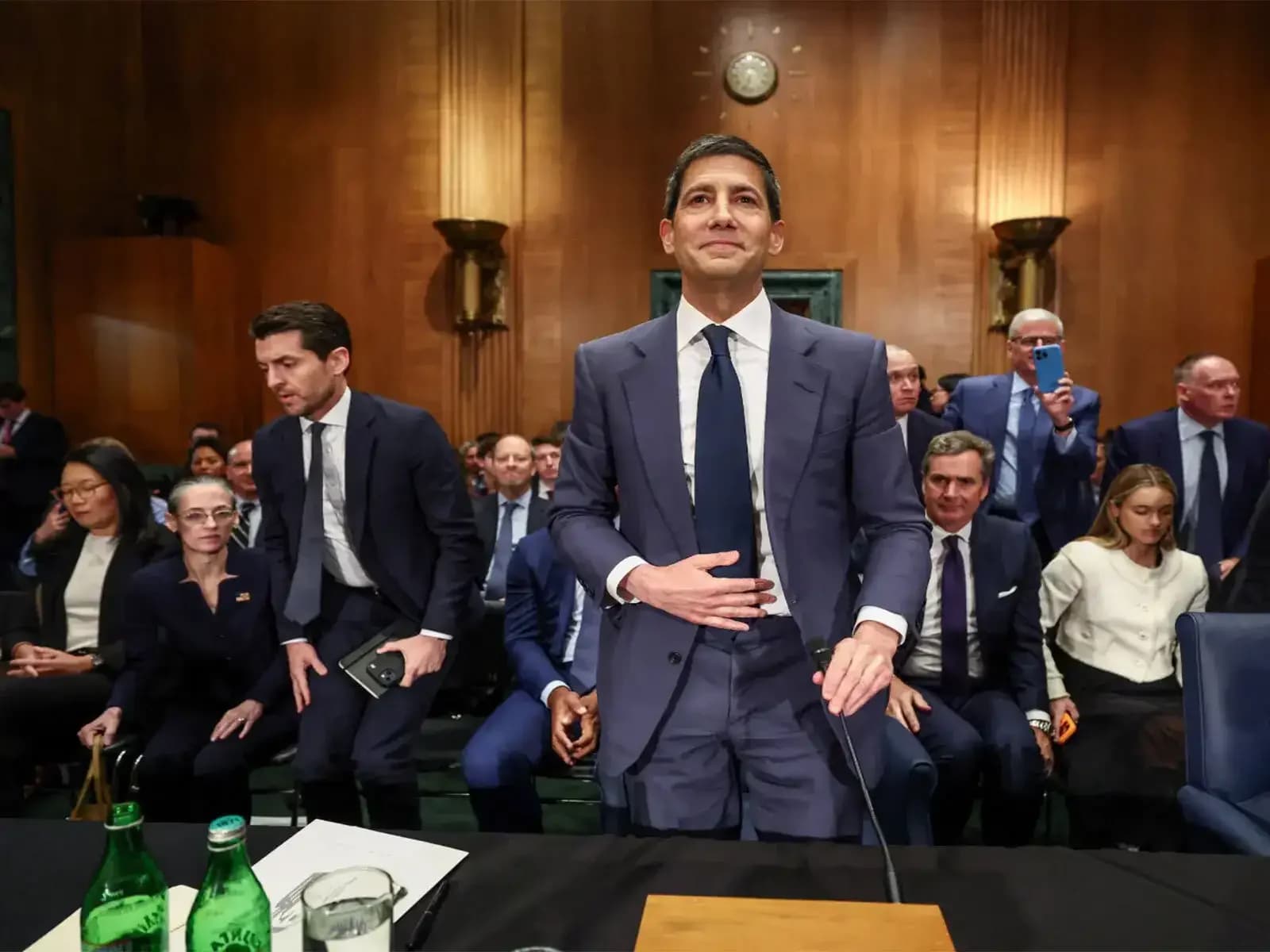
Warsh enters the Fed with a comprehensive reform blueprint, widely expected to pursue broad reforms to the Fed's policy framework, communication style, and balance sheet strategy. As reported by TimesNew, his appointment comes amid growing political scrutiny of the central bank following repeated clashes between President Donald Trump and outgoing Fed Chair Jerome Powell. At his confirmation hearing, he asserted he would be a 'strictly independent' chairman, rejecting calls by Trump to cut interest rates. CME FedWatch puts a 97% probability on rates remaining unchanged at Warsh's first policy meeting scheduled for June 16-17. His independence pledge comes as the Fed faces pressure from both political and economic forces, with markets not expecting any rate cuts in the near term.
According to a CNBC report cited by NDTV Profit, Warsh will be the wealthiest Fed chair ever, with holdings well north of $100 million. As Fed chair, he will have to divest many of his investments under strict policy implemented after disclosures of questionable trading practices among top officials. His wife Jane Lauder is the granddaughter of cosmetics mogul Estée Lauder. The challenges ahead include managing inflation pressures driven partly by energy shocks from the US-Israeli war with Iran affecting tanker traffic in the Strait of Hormuz, while markets are not expecting any rate cuts in the near term. Warsh's independence commitment will be tested as he balances political pressure with economic realities.