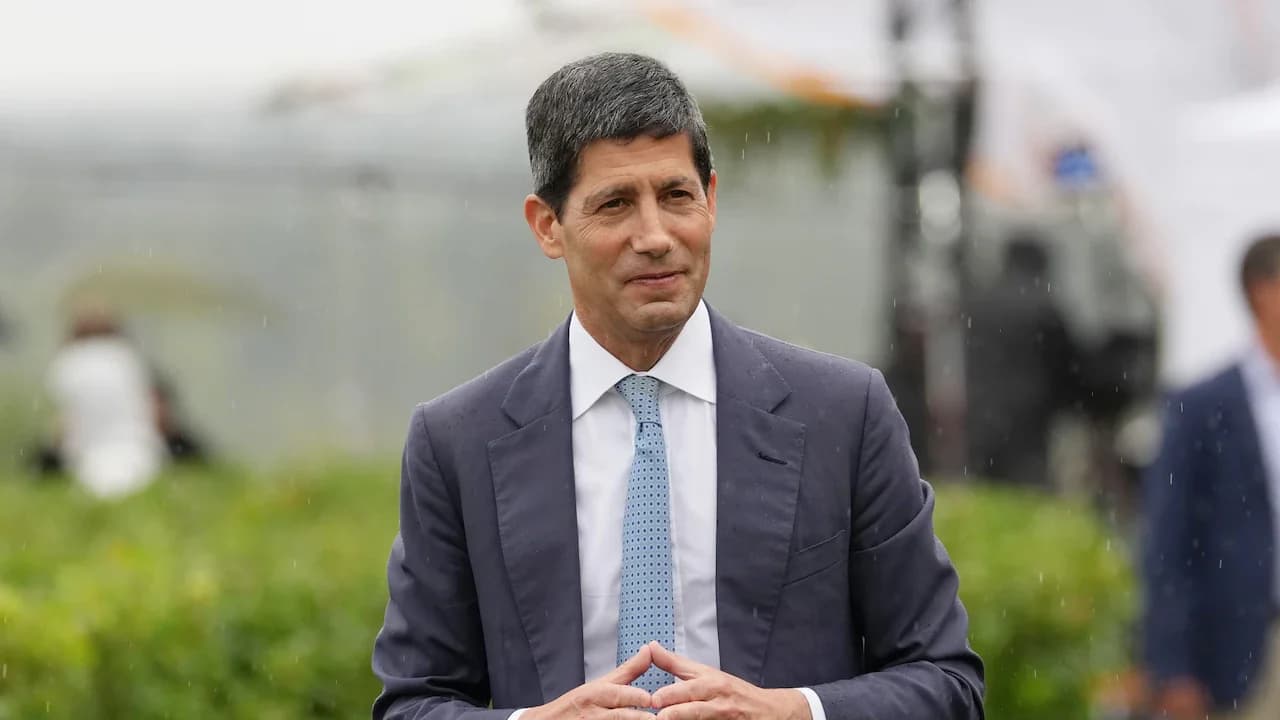
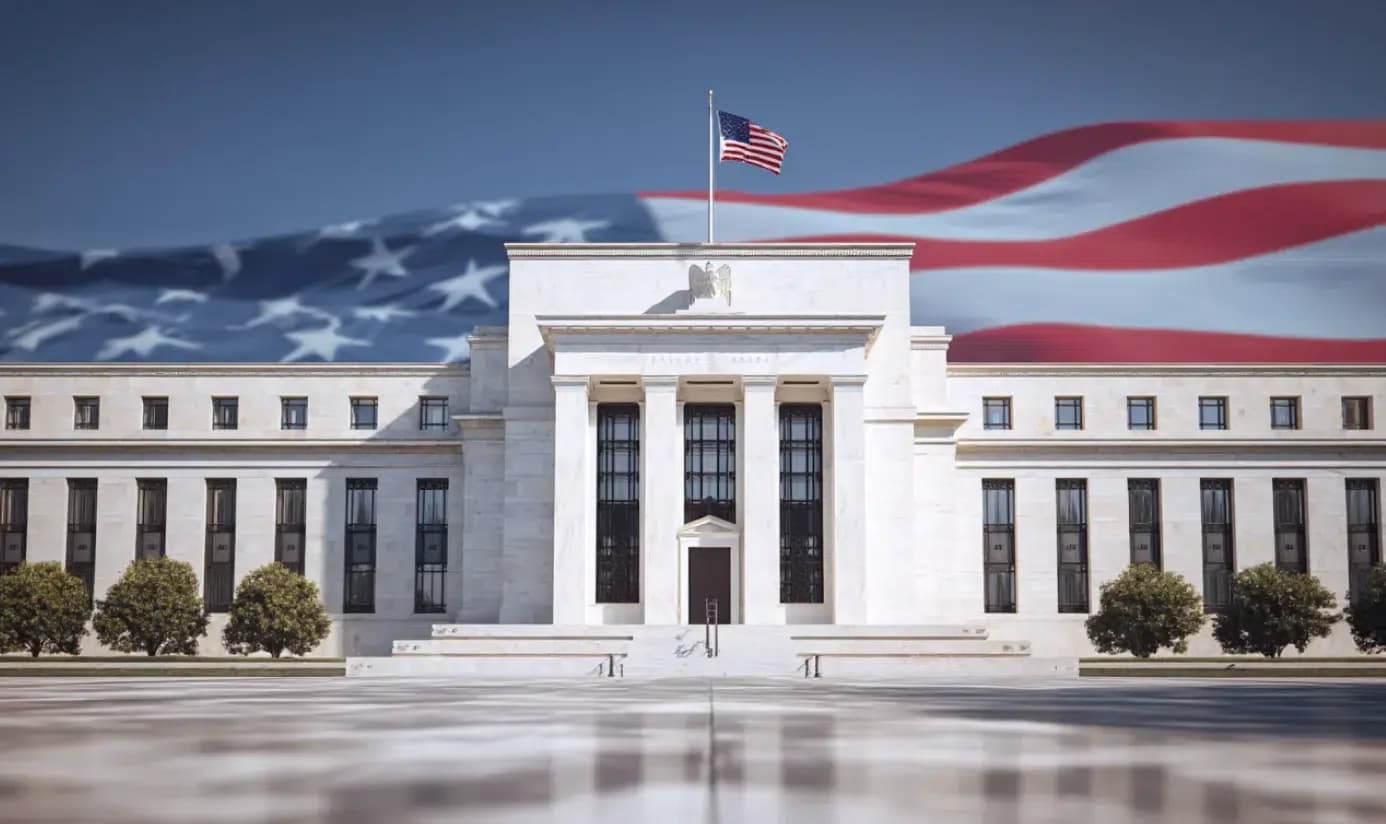
Kevin Warsh officially took charge as the 11th Chair of the Federal Reserve on May 22, 2026, succeeding Jerome Powell after his eight-year tenure. According to Financial Times and other media reports, Warsh was personally sworn in by U.S. President Trump at the White House, with Trump emphasizing his desire for Warsh to remain 'totally independent' in his new role. Warsh brings extensive experience to the position, having previously served as a member of the Board of Governors from 2006 to 2011, followed by roles as special assistant to the president for economic policy and executive secretary of the National Economic Council from 2002 until 2006. His term as Fed Chair runs for four years ending on May 21, 2030, with additional responsibilities as chairman of the Federal Open Market Committee and member of the Board of Governors through January 31, 2040. At his inauguration, Warsh stated that 'The Federal Reserve's mission is to promote price stability and maximum employment,' adding that if pursued with wisdom, clarity, independence and determination, 'inflation will remain low and growth will remain strong.'

Investor expectations have undergone a dramatic transformation as Warsh begins his tenure amid escalating inflation concerns. According to CME Group's FedWatch tool on May 24, markets assigned a 32.1% probability that the federal funds rate would remain at its current range of 3.5% to 3.75% through year-end, while the probability of one or more rate increases stood at 67.9%, including a 42.5% chance of a quarter-point hike. The shift has been particularly swift, as on April 24, markets saw only a 38.1% chance of a rate cut and only a 0.6% probability of a rate increase. This dramatic reversal is largely attributed to concerns that prolonged conflict between the United States and Iran could keep energy prices elevated, with the Strait of Hormuz remaining vulnerable to disruption. The change in expectations has pushed long-term government bond yields higher across major economies, with the 30-year U.S. Treasury yield reaching 5.20% on May 19 before easing to 5.09% on May 21 - the first time since July 2007 that the yield had exceeded 5%.
The U.S. economy currently faces mounting inflationary pressures under Warsh's leadership, with headline PCE inflation increasing to 3.5% year-over-year in March 2026, up from 2.83% in February, and core PCE accelerating to 3.2%. According to S&P Global, the Iran conflict is doing increasingly evident damage to growth and prices, with energy inflation spiking 11.56% month-over-month and a 14.43% year-over-year reading. The national average gasoline price has surpassed $4.55 per gallon, contributing significantly to inflationary pressures. The 30-year mortgage rate has risen above 6.5%, creating additional economic headwinds. Fed officials have begun signaling concern about inflation, with Federal Reserve Governor Christopher Waller stating on May 22 in Frankfurt that further rate increases could not be ruled out if inflation failed to ease. At the Federal Open Market Committee meeting last month, three of the 12 members dissented in favor of a more hawkish policy stance, indicating growing internal pressure for tighter monetary policy.
Warsh enters the role with the most openly pro-crypto record of any sitting Fed Chair, calling Bitcoin a "sustainable store of value" and ruling out a retail central bank digital currency. According to CoinDesk, his crypto financial disclosure lists over $100 million in digital asset exposure, spanning Layer 1 networks, Decentralized Finance protocols, and Bitcoin payment infrastructure. This creates a paradox for traders, as a hawk on rates is bearish for risk in the short term, while a Chair who views Bitcoin as a credible reserve asset reframes the longer-run case during liquidity squeezes. BTC has retreated from its January peak as the dot plot hardened, with traders caught between hawkish Fed policy and friendlier crypto signals.
The shift toward higher interest rate expectations extends beyond the United States, with expectations of tighter monetary policy building in South Korea. According to Korea Center for International Finance, the Bank of Korea's Monetary Policy Board meeting on May 28 is expected to signal a firmer stance on inflation at the first rate-setting meeting chaired by Gov. Shin Hyun-song. Senior Deputy Governor Ryoo Sang-dai signaled on May 3 that 'the time has come to stop thinking about rate cuts and start considering rate increases,' telling reporters that 'the first increase is more likely to come in August.' Strong growth in South Korea's semiconductor sector has supported the economy while inflation remains elevated, reinforcing expectations that the central bank may eventually begin raising rates. The Bank of Japan's 30-year government bond yield climbed to 4.03%, the highest level since the security was first issued in 1999, while Britain and Germany saw 30-year yields rise to 5.64% and 3.31% respectively - their highest levels in 27 years and 14 years respectively.