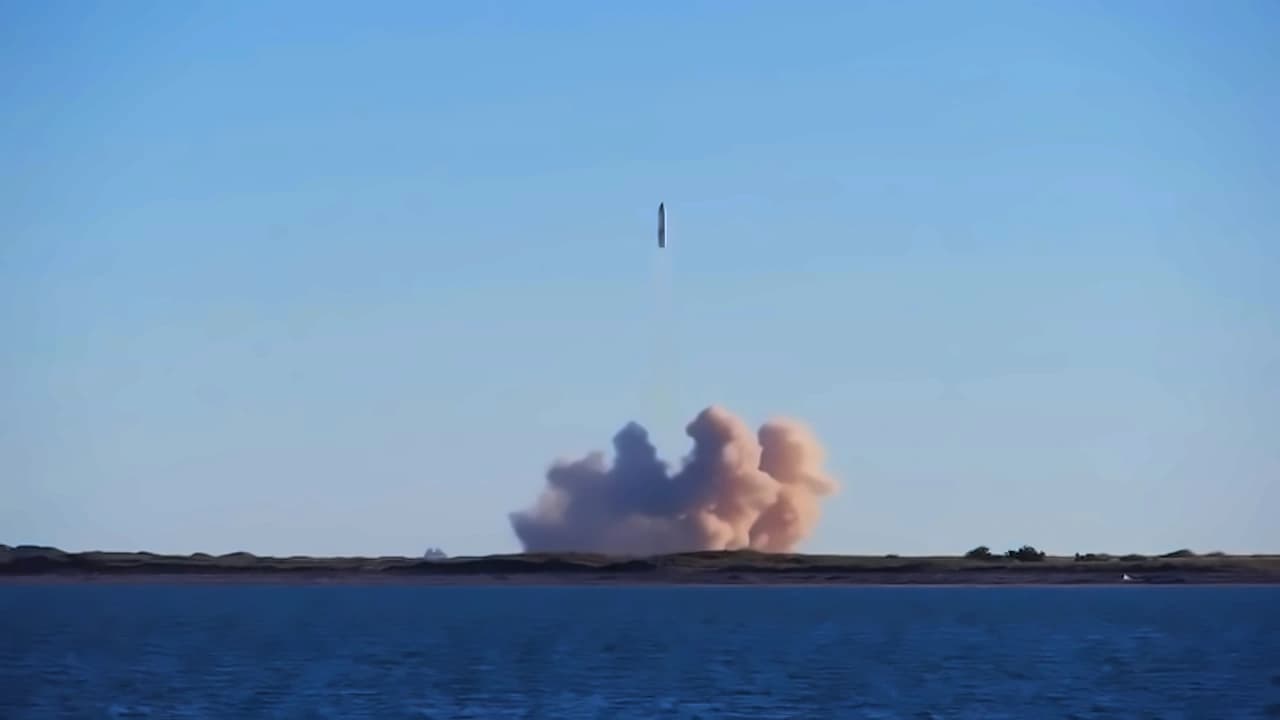
Jordan's air defences intercepted five missiles launched from Iran on Thursday morning, according to the country's military statement as reported by Business Standard. The missile interception came after the US military announced it had completed 'a heavy wave of strikes against Iran' conducted in response to an earlier Iranian missile attack on a US base in Jordan. As reported by Associated Press, the Jordanian military said the missiles had been 'intercepted and destroyed' - a more definitive statement than previous reports. US Central Command stated they remain 'vigilant and at a high state of readiness' and worked with Saudi Arabia's forces to strike sites in Iraq that Tehran-backed militias have used to launch attacks in recent days. In announcing the strikes in Iraq, the US warned that further attacks on American troops or Saudi Arabia's energy infrastructure risked additional action. The fighting flared at the end of a month packed with multiple pressure points on US president Donald Trump, with four US troops dying during recent weeks of escalation.
Iran's Foreign Minister Abbas Araghchi warned on Saturday that any 'aggression' by the United States and Israel, or participation by regional countries in such actions, would be met with a 'decisive and proportionate response.' According to Reuters, Araghchi made these remarks in a phone call with Saudi Foreign Minister Prince Faisal bin Farhan, discussing what he called 'destabilising actions' by Washington and the risk of heightened regional insecurity. The warning came hours after Kuwait's army said it had intercepted hostile drones launched by Iran towards several key installations, with a government facility in northern Kuwait and civilian property on Bubiyan Island struck on Saturday, causing shrapnel damage but no casualties. Araghchi also spoke separately with Pakistan's Army Chief Field Marshal Asim Munir and Turkish Foreign Minister Hakan Fidan regarding the escalating tensions.
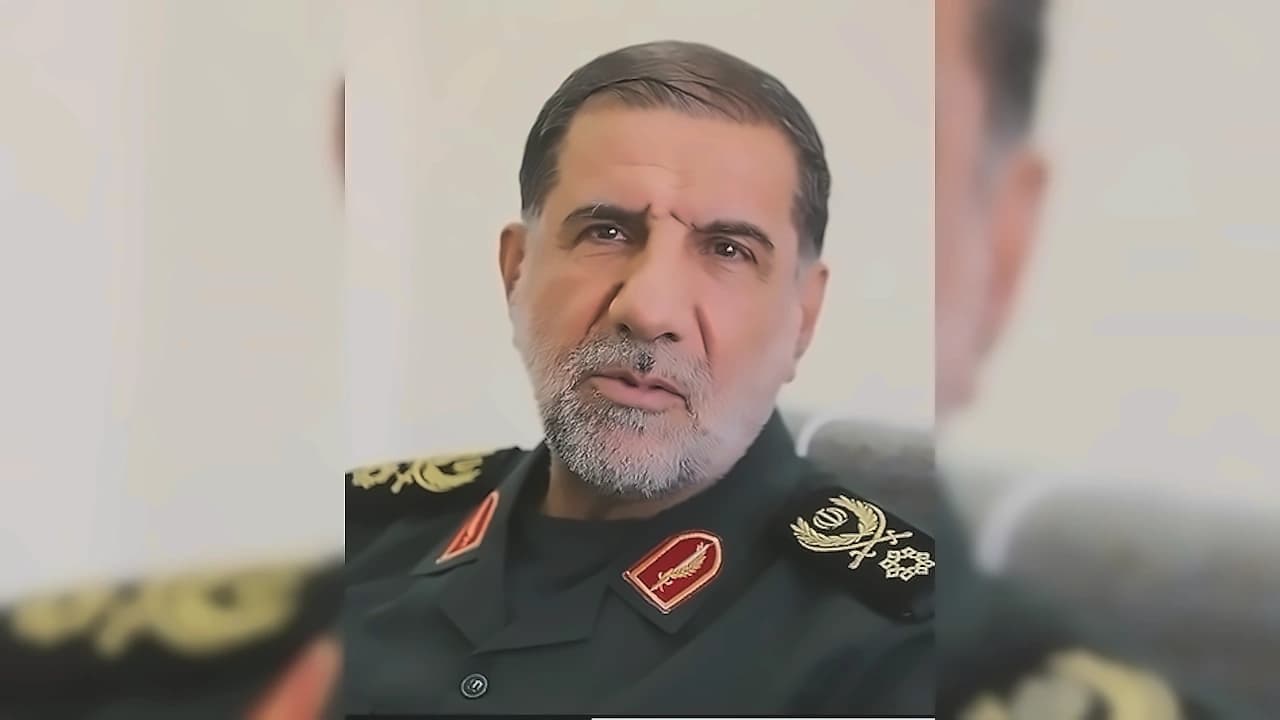
The latest strikes have resulted in significant casualties among Iran-backed forces, with the Popular Mobilization Forces (PMF) stating at least 20 fighters were killed and 32 others wounded in overnight strikes on their sites across seven provinces of Iraq. The PMF, a coalition of primarily Shiite, Iran-backed militias officially under Iraqi military command, have continued operating with significant autonomy despite being designated as an 'independent military formation' in 2016. The groups making up the PMF joined in the fight against the Islamic State group after it seized large sections of Iraq in 2014. US Central Command reported that US and Saudi fighter aircraft struck multiple terrorist logistics and weapons sites across eastern Iraq in response to over 30 IRGC-directed aerial drone attacks in the last 72 hours. Iran's state-run IRNA news agency carried a statement from the paramilitary Revolutionary Guard saying the Guard's Aerospace Force fired ballistic missiles at the Muwaffaq Salti Air Base and the headquarters of the US military's Central Command in Jordan.
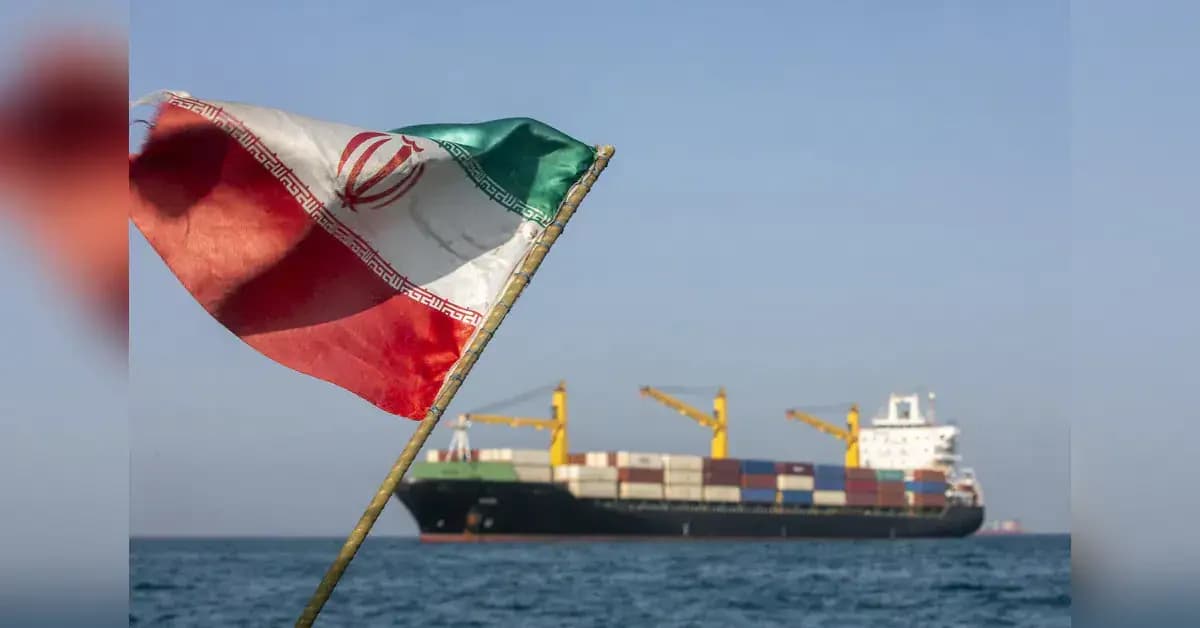
The escalation has extended to maritime operations, with Iran's state-run IRNA reporting that the Revolutionary Guard's Navy claimed it had struck and stopped three oil tankers in the Strait of Hormuz after vessels allegedly ignored repeated warnings and continued sailing along what it described as an 'unsafe and illegal route'. The fighting has sent Brent crude, the international standard, jumping almost 4% to trade above $87 a barrel, rebounding from its biggest three-day decline since April 2020. The Strait of Hormuz remains a major flashpoint, with Iran's deputy foreign minister rejecting a proposal by Oman for jointly managing ship traffic through the critical waterway, which carries 20% of the world's traded oil normally. Nournews, an outlet affiliated with Iran's top security body, said on Saturday that any US strikes on Iranian energy infrastructure would trigger Iranian retaliation against oil fields in Saudi Arabia and the UAE, and gas fields in Qatar and Israel. The UK Maritime Trade Operations reported receiving reports of two separate incidents off Oman on Saturday, including a tanker struck by an unidentified projectile that damaged its engine room.

Iraqi Prime Minister Ali al-Zaidi called an emergency meeting of the country's National Security Council Wednesday to discuss the strikes. The Iraqi military said the country is committed to 'preventing Iraqi territory from being used as a route or launching point for any attack targeting brotherly or friendly countries'. The United States and Iran had experienced a period of calm, during which neither announced attacks for about three days following weeks of escalation over the strategic Strait of Hormuz. The Iraqi militias have denied any role in the drone attacks, with the Islamic Resistance in Iraq calling Saudi claims 'fabrications' and implying that Monday's attacks were carried out by the Houthis. Saudi Arabia had previously claimed to have shot down drones fired by Iran-backed militias in Iraq for a second day, while in Yemen claimed to have forced a Saudi oil tanker to turn around. The Saudi defence ministry acknowledged the strikes in a post on social media, warning that 'the Kingdom emphasises that it does not seek escalation but will respond to any aggression it faces'. Meanwhile, Saudi Crown Prince Mohammed bin Salman spoke with US President Donald Trump on Saturday, expressing concern and seeking clarity over Washington's plans for Iran, according to a US official told Axios.